LED Strip Light QC Testing Guide | IP, Aging, Color Consistency & Compliance Checks
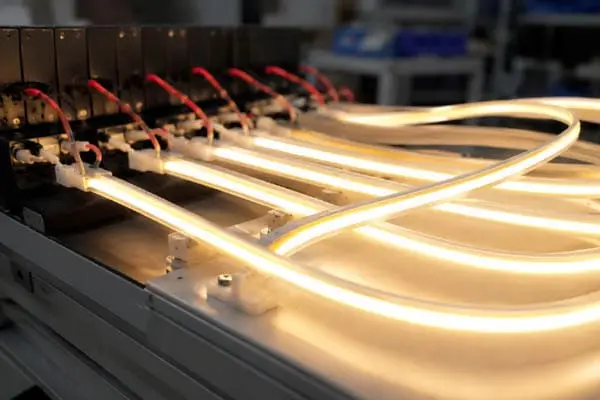
Factory quality control for LED strip lights requires a layered system of tests covering incoming material inspection, in-process SMT checks, electrical and …

Factory quality control for LED strip lights requires a layered system of tests covering incoming material inspection, in-process SMT checks, electrical and …

The typical MOQ for custom LED strip lights ranges from 100 to 3,000 meters, depending on the level of customization. Simple modifications like cut-to-length…
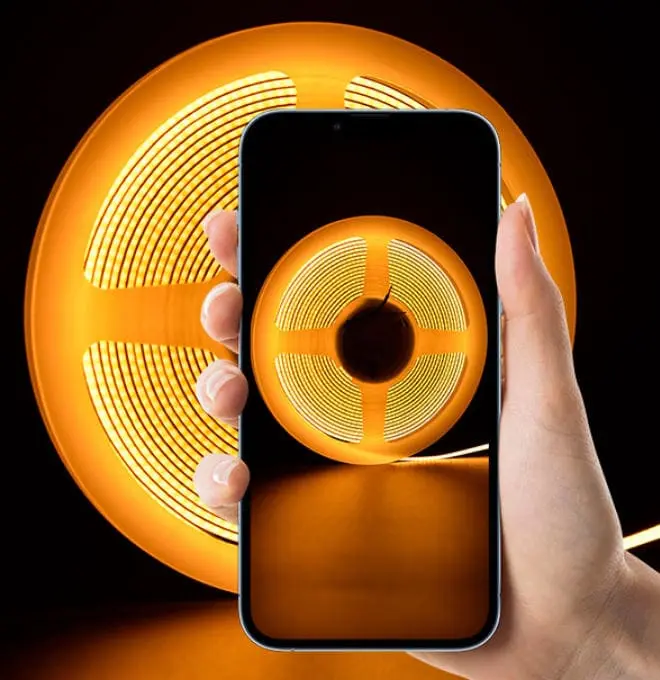
Yes, LED strip lights can be fully customized in length, interface type, and protective housing. You can order strips built to exact measurements, fitted wit…

You can customize nearly every LED strip specification, including color temperature, CRI, strip length and width, voltage, LED density, IP rating, connector …
The OEM/ODM customization process for engineering LED strip lights typically follows a structured flow: consultation and spec definition, prototype developme…
Exporting LED strip lights to the US requires FCC, UL or ETL certification, while Europe demands CE marking covering LVD, EMC, and RoHS directives, plus EPRE…

To verify CE and RoHS claims from an LED strip supplier, request the signed Declaration of Conformity, matching test reports, material compliance records, an…

ATEX and IECEx explosion-proof LED strip lights are most useful in oil and gas sites, chemical plants, offshore platforms, tank interiors, walkways, wastewat…

LED strip light project tenders usually require valid safety certifications, EMC and environmental compliance documents, photometric files, and durability te…
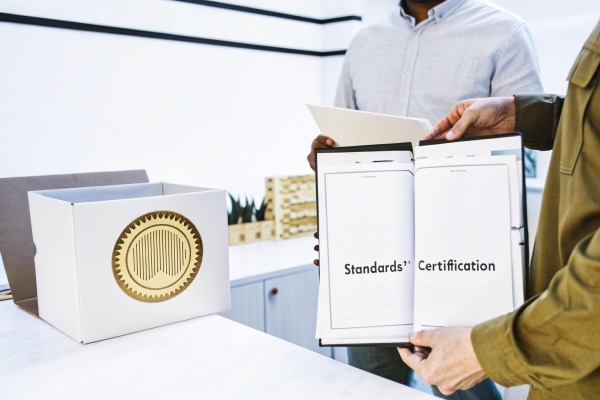
UL and ETL certification for LED strip lights mean nearly the same thing: both show the product was tested by an OSHA-recognized lab to the relevant safety s…

Higher LED density delivers smoother, more uniform light output, but it is not universally better. Denser strips consume more power, generate more heat, and …
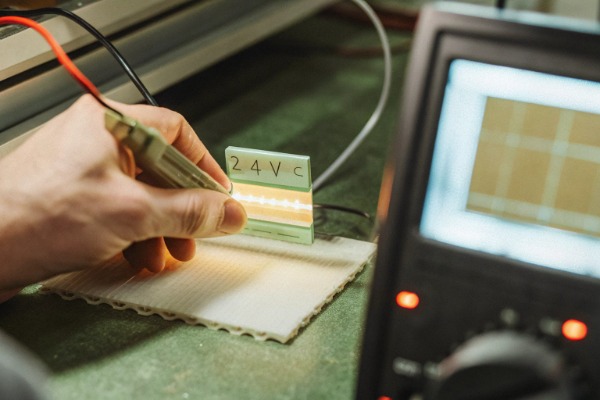
To balance cost and quality when sourcing LED strip lights for engineering projects, prioritize total cost of ownership over unit price. Invest in consistent…
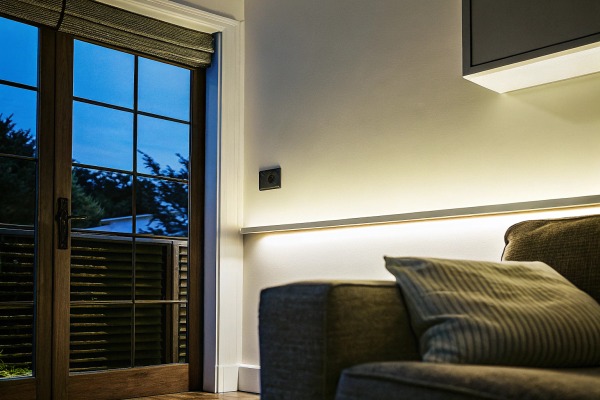
To choose the best LED strip lights for your home renovation, focus on color temperature consistency, voltage (24V for long runs), CRI above 90, appropriate …

The most critical metrics for bulk LED strip purchasing include lumens per watt, LED density, color temperature deviation, CRI, IP rating, voltage compatibil…
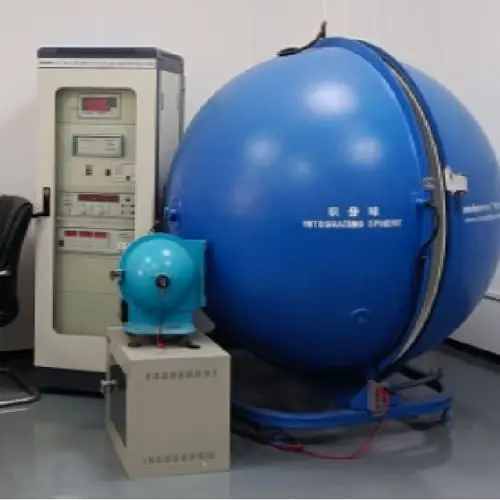
You can verify LED strip specifications by requesting third-party test reports, performing sample burn-in tests, physically inspecting PCB and component qual…
The most common pitfalls when sourcing LED strip lights include batch-to-batch color inconsistency, voltage drop in long runs, invalid or mismatched certific…
 English English
 Spanish
 German
 Russian
 Arabic
 French
 Portuguese