
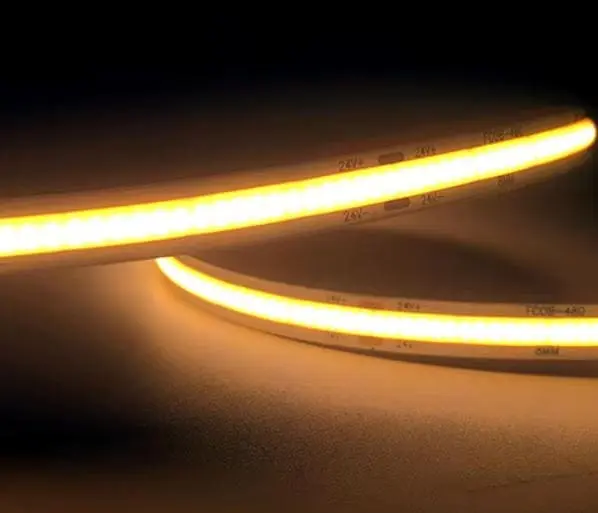
Покупатели продолжают спрашивать меня о световой эффективности COB LED лент, потому что завышенные технические характеристики ранее их разочаровывали, и наши лабораторные тесты подтверждают, что эти сомнения оправданы.
Качественные COB LED ленты обычно обеспечивают 100–140 лм/Вт, при этом основные модели сосредоточены в диапазоне 90–110 лм/Вт. Декоративные низкоэнергетические ленты могут иметь показатель около 50–80 лм/Вт, а премиальные — достигать 130–140+ лм/Вт. Значения выше этого обычно получены в лабораторных условиях, а не при реальной установке.
Этот диапазон широк. Позвольте объяснить, что на него влияет, как это сказывается на ваших расходах и как проверить заявления перед тем, как делать оптовый заказ.
Как эффективность светового потока влияет на долгосрочные энергозатраты моего проекта LED ленты?
Один немецкий подрядчик однажды прислал мне свой расчет электроэнергии для работы в коридоре гостиницы длиной 400 метров. Разница в эффективности между двумя предложенными лентами изменила его расходы на десять лет больше, чем сама стоимость лент.
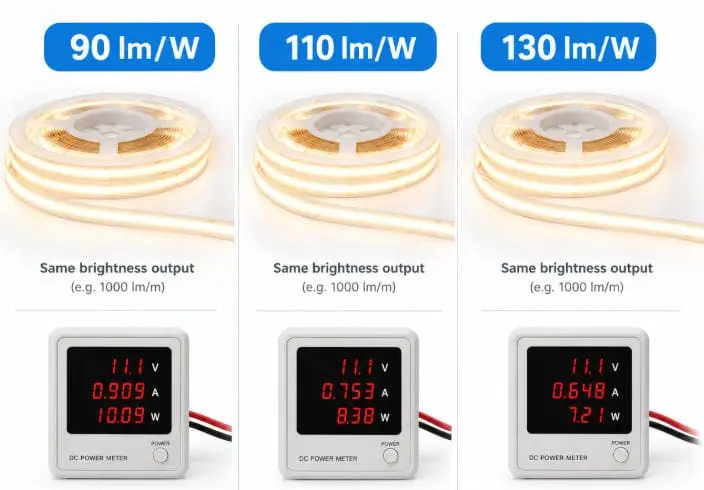
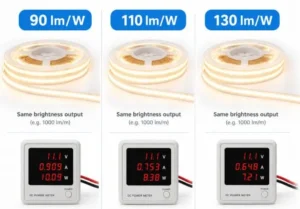
Световая эффективность напрямую определяет, сколько ватт вы расходуете для достижения определенной яркости. При длительном использовании скачок с 90 лм/Вт до 120 лм/Вт сокращает потребление энергии на метр примерно на 25%, что накапливается на сотни метров и годы эксплуатации.
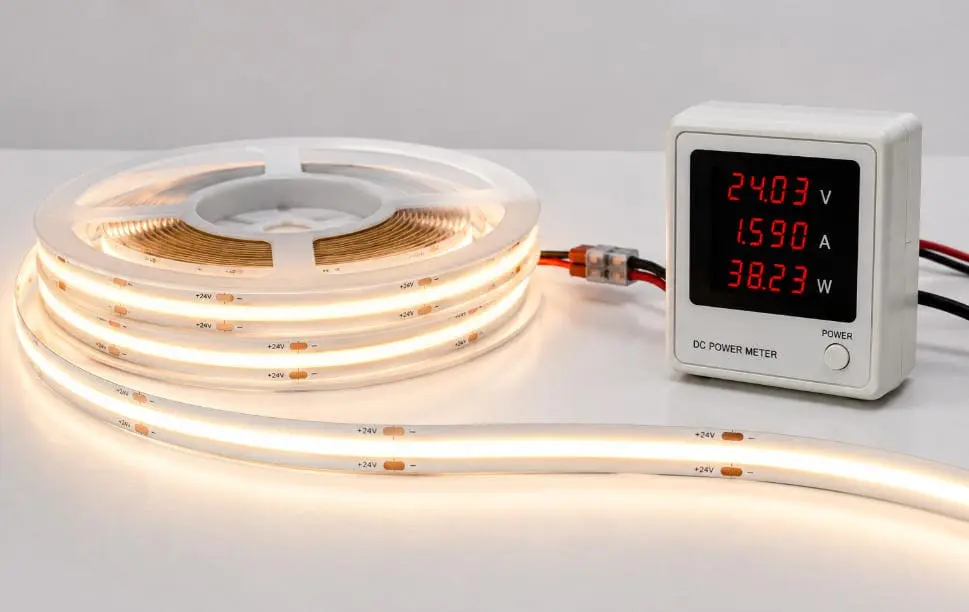
Эффективность — это просто люмены на ватт: видимый свет, делённый на потребляемую электроэнергию. На одной 5-метровой акцентной ленте разница между 90 и 120 лм/Вт незначительна. В проекте с километрами линейного освещения без точечных светильников, работающего 12 часов в день, это реальные деньги.
Простой пример
Допустим, ваш дизайнер освещения указывает 900 лм на метр для торгового ниши. Вот как выглядит эта потребность при трёх уровнях эффективности:
| Эффективность ленты | Потребление энергии на метр | Потребление энергии на 300 м | Приблизительно за год (12 ч/день) |
|---|---|---|---|
| 90 лм/Вт | 10,0 Вт/м | 3 000 Вт | ~13 140 кВтч |
| 110 лм/Вт | 8,2 Вт/м | 2 455 Вт | ~10 750 кВтч |
| 130 лм/Вт | 6.9 Вт/м | 2 077 Вт | ~9 100 кВтч |
Высокоэффективная полоса также выделяет меньше тепловых отходов. Это снижает нагрузку на ваш систему отвода тепла 1 и замедляет снижение яркости люменов со временем. Меньшее тепло означает, что фосфор и чипы стареют медленнее, поэтому яркость на пятом году остается ближе к яркости первого года.
Но есть эффект второго порядка, который люди упускают: падение напряжения. Полоса меньшей мощности потребляет меньше тока, поэтому долгосрочная установка 2 теряет меньше яркости на дальнем конце. В нашей проектной работе для российских клиентов мы часто сочетаем более эффективные COB с дизайнами на 24В или 48В специально для поддержания однородности длинных линий. Эффективность — это не только число энергии. Она формирует выбор размера драйвера, сечения кабеля и план теплового управления одновременно.
Какой диапазон lm/Вт следует ожидать при сравнении COB-лент с обычными SMD-лентами?
Запросы на сравнение поступают ко мне каждую неделю, обычно в виде простого сравнения SMD и COB. Честный ответ, который я даю клиентам, заключается в том, что архитектура важнее, чем класс продукта.
Ожидайте стандартные COB полосы с 90–110 лм/Вт и премиум COB с 120–140+ лм/Вт, в то время как качественные SMD полосы охватывают похожий диапазон 90–150 лм/Вт. Лучшие SMD могут превосходить COB по пиковой эффективности, но COB выигрывает по равномерности света без точек и швов.
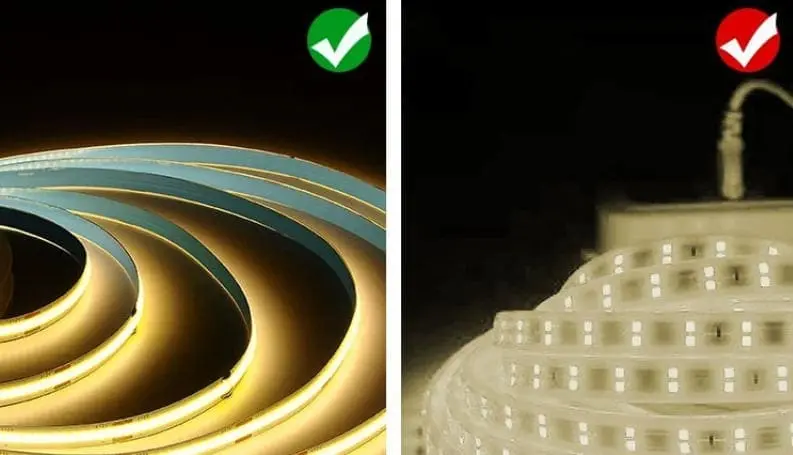
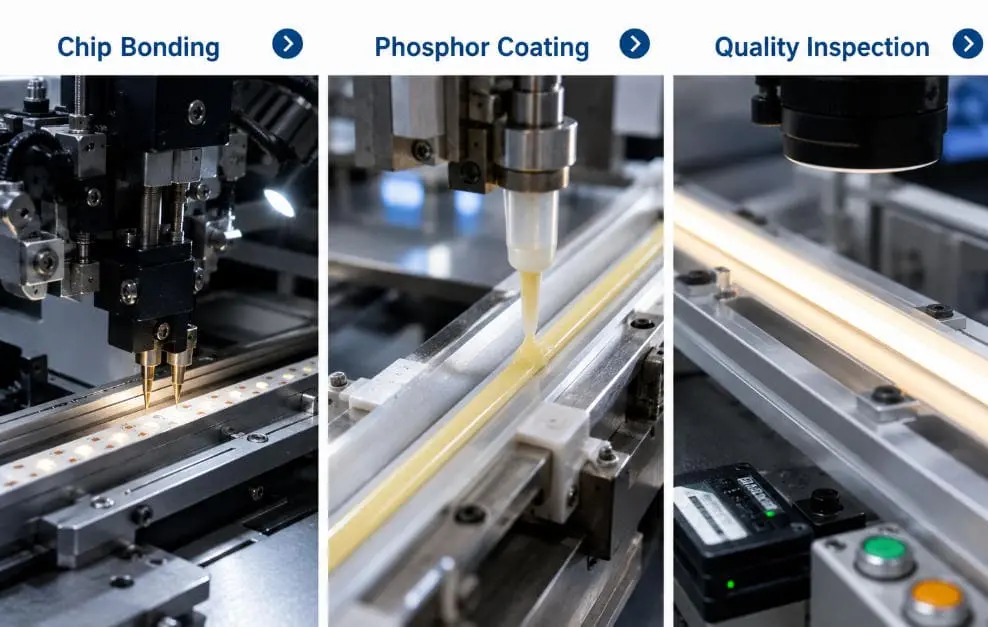
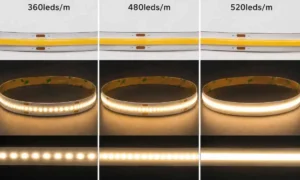
COB описывает архитектуру корпуса, а не фиксированный уровень эффективности. В полосе COB, LED-чипы высокой плотности 3 прямо прикреплены к плате и покрыты сплошным слоем фосфора. Именно это создает линию света без точек. Но эта толстая смесь силикона и фосфора также задерживает часть фотонов — "оптический налог", который обычно ограничивает эффективность COB примерно до 90% потенциала исходного чипа. Отдельные корпуса SMD избегают части этой потери, поэтому самые высокие показатели lm/W обычно принадлежат продуктам SMD.
Реалистичные диапазоны по классам продукции
| Класс продукции | Типичная эффективность | Наиболее подходит для |
|---|---|---|
| Декоративный / низкоэнергетический COB | 50–80 лм/Вт | Акцентные линии, края мебели |
| Основной белый COB | 90–110 лм/Вт | Купола, подсветка под шкафами, розничная торговля |
| Премиум COB | 120–140+ лм/Вт | Долгосрочные коммерческие, энергоемкие проекты |
| Высокоэффективный SMD | 130–150+ лм/Вт | Сырой выход, где скрыты точки |
| Линейные массивы CSP (развивающиеся) | 160–180 лм/Вт (заявлено) | Следующее поколение форматов без точек |
Реальные данные продукта подтверждают разброс. Одна указанная COB-лента дает примерно 94 лм/Вт (800 лм при 8,5 Вт), другая заявляет 138,9 лм/Вт, а некоторые декоративные ленты показывают всего 53 лм/Вт. Все они "COB". Поэтому я советую покупателям игнорировать ярлыки и вычислять лм/Вт по люменам на метр и ваттам на метр.
Два дополнительных параметра влияют на число. Цветовая температура (CCT) важна: холодные белые ленты 6000K обычно на 10–15% более эффективны, чем теплые белые 2700K. А индекс цветопередачи (CRI) важнее всего: переход с CRI 80 на CRI 90+ обычно стоит 15–20% от выхода лм/Вт. Лента "140 лм/Вт" при 6500K CRI 80 и лента "105 лм/Вт" при 3000K CRI 95 могут быть выполнены на одних и тех же чипах.
Какие факторы в производственном процессе Glowin влияют на эффективность моего индивидуального заказа на COB?
Во время последнего этапа индивидуальной разработки в прошлом году оптовик попросил нашу команду увеличить эффективность на 10 лм/Вт у ленты с CRI 90 и 2700K. Мы могли — но только за счет отказа от вещей, которые ему действительно нужны было.
Эффективность при заказе индивидуального COB определяется бинингом чипов, током питания, формулой фосфора для целевого CRI и CCT, весом медной платы для отвода тепла и эффективностью драйвера. Каждый выбор влияет на эффективность в отношении качества цвета, срока службы или стоимости.
Когда мы совместно разрабатываем ленту с клиентом, эффективность — это не один регулятор. Это сумма нескольких инженерных решений, принятых последовательно. Вот как мы объясняем покупателям этот процесс.
Цепочка решений, шаг за шагом
- Выбор чипов и их бинирование. Мы закупаем голубые чипы в узких диапазонах эффективности и напряжения. Лучшие бины стоят дороже, но повышают потолок для всего последующего. Конструкции с flip-chip устраняют проволочные соединения, что снижает электрическое сопротивление и улучшает теплоотвод в подложку — настоящее повышение эффективности, а не трюк в спецификациях.
- Фосфорная смесь. Это фиксирует вашу цветовую температуру (CCT) и индекс цветопередачи (CRI). Смесь с CRI 90+ преобразует больше синего света в красные волны, что менее эффективно. Мы просим клиентов сначала подтвердить требования к CRI, а затем честно установить ожидания по эффективности.
- Ток питания. Недостаточный ток увеличивает lm/W; чрезмерный ток повышает яркость на метр, но снижает эффективность и ускоряет деградацию люменов. Некоторые фабрики переусердствуют с током, чтобы достичь определенной яркости, а затем тихо указывают лабораторную эффективность, измеренную при более мягком токе. Мы отказываемся смешивать эти два условия в одном техническом паспорте.
- Дизайн печатной платы и тепловой режим. COB-ленты концентрируют тепло, поэтому мы указываем медные печатные платы с высокой теплопроводностью, рассчитанные на фактическую мощность. Плохое управление теплом может стереть 10% или более от номинальной мощности в течение нескольких месяцев.
- Напряженная архитектура. Для долгосрочных и высоковольтных решений мы проектируем с учетом падения напряжения с помощью более толстого медного слоя, схем с двойной подачей с обеих концов или схем с постоянным током, чтобы установленная эффективность соответствовала тестируемой эффективности.
Мое собственное мнение, сформированное годами контроля качества при заказах проектного уровня: я бы предпочел отправить ленту с честной эффективностью 110 lm/W, которая сохраняет цвет и яркость на годы, чем гнаться за 150 lm/W, достигаемыми за счет жертвования CRI или переусердствования с чипами. Стабильность и долговечность важнее впечатляющей цифры на бумаге — особенно когда ваше имя стоит на частной марке.
Как проверить, что заявленные lm/W поставщика соответствуют фактическим характеристикам перед оптовым заказом?
Тяжелый урок из наших ранних лет торговли: технический паспорт — это заявление, а не измерение. Одна партия, которую мы проверяли для клиента, показывала 130 lm/W на бумаге и 96 lm/W при тестировании в алюминиевом канале.
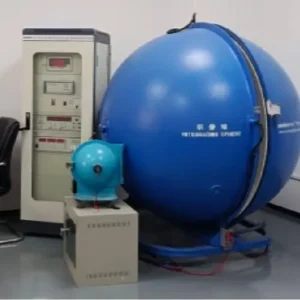
Проверьте эффективность, запросив отчет о тестировании в интеграционной сфере при фактическом токе питания, затем подтвердите это самостоятельно: измерьте реальную мощность и световой поток полосы на образце, проверьте, является ли показатель уровнем чипа или системы, и проведите тест при рабочей температуре.
Цифры выше 140 lm/W не невозможны, но по моему опыту, это очень часто лабораторные данные — голый чип при низком токе, при 25°C, до слоя фосфора, потерь драйвера и тепла. Ваша задача как покупателя — сократить разрыв между этим числом и лентой, которая пойдет на стену.
Практический контрольный список для проверки
| Проверьте | Что запрашивать | Красный флаг |
|---|---|---|
| Отчет о тестировании | Отчет по интеграционной сфере (стиль IES LM-79) для готовой ленты | Отчет охватывает только голый LED, а не ленту |
| Условия испытаний | Ток и температура питания соответствуют техническому описанию | Эффективность измерена при меньшем токе, чем номинальная мощность |
| Уровень измерения | Является ли lm/W на чип, на модуль или на метр ленты | Поставщик не может указать, к какому уровню относится число |
| Совпадение CRI и CCT | Отчет по заказанному вами CRI/CCT, а не по версии с холодным белым CRI 80 | Отчет CRI 80 при 6000K предоставлен для заказа CRI 90 при 2700K |
| Тепловая реальность | Данные после прогрева, желательно установлен в канале | Предоставлены только показания при холодном запуске |
| Валидация образца | Образцы для предпродакшена, которые вы можете измерить самостоятельно | Поставщик сопротивляется отправке образцов до выполнения обязательства по MOQ |
Затем делайте свои собственные вычисления. Возьмите заявленные люмены на метр и разделите на измеренные ватты на метр — измеритель мощности почти ничего не стоит и выявит завышенные показатели за несколько минут. Если лента заявляет 1400 лм/м, но потребляет 14 Вт/м на вашем измерителе, это 100 лм/Вт независимо от того, что говорит коробка.
Мы сознательно поддерживаем этот процесс. Благодаря быстрому прототипированию с низким MOQ подрядчики и дистрибьюторы могут тестировать реальные образцы — на эффективность, цветовую однородность между партиями и сохранение люменов при нагреве — перед заказом контейнера. Для проектных тендеров в России мы также согласуем тестовую документацию с сертификационными документами, необходимыми для тендера, чтобы проверенные показатели и файл соответствия рассказывали одну историю.
Заключение
Погоня за показателями lm/W в заголовках рискует привести к напрасным затратам и разочарованиям при установке. Ожидайте 100–140 лм/Вт от хороших COB-лент, проверяйте заявления с помощью реальных тестов и отдавайте предпочтение стабильной, честной работе.
Примечания
- Подробное объяснение методов теплового управления, необходимых для поддержания эффективности LED и предотвращения деградации из-за тепла. ↩︎
- Обзор технологий светодиодных лент, включая распространенные форм-факторы, требования к питанию и стандарты установки. ↩︎
- Авторитетное руководство по конструкции светодиодов, объясняющее, как слои фосфора преобразуют синий свет в широкополосный белый свет. ↩︎

 English
 Spanish
 German
 Russian
 Arabic
 French
 Portuguese