
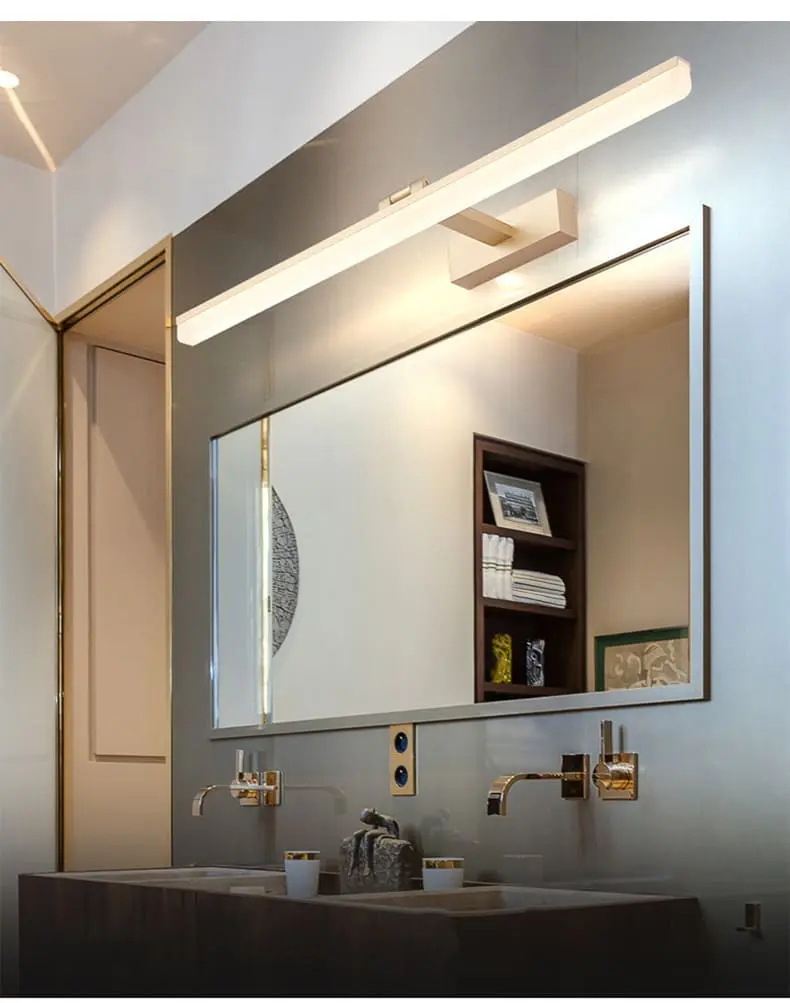
When our production team processes orders spanning 2700K to 6500K — and the most common question we hear from contractors and distributors is deceptively simple: "Which color temperature should I pick?"
Choosing the right LED strip light color temperature depends on the setting's function and desired mood. Warm white (2700K–3000K) suits relaxing spaces like hotels and living rooms, neutral white (3500K–4500K) fits offices and retail, and cool daylight (5000K–6500K) works best for task-heavy commercial environments.
But there is more to it than just picking a number on the Kelvin scale 1. Factors like CRI, batch consistency, lumen output, and even your wall paint color all play a role. Below, I'll walk you through the key decisions step by step — from project planning to final installation — so you can specify with confidence.
How do I determine the best color temperature for my specific commercial lighting project?
Getting the color temperature wrong in a commercial project can mean costly rework, unhappy clients, and wasted product ANSI bin 2. We've seen it happen more than once.
To determine the best color temperature for a commercial project, start by defining the space's purpose. Use 2700K–3000K for hospitality and relaxation areas, 3500K–4000K for retail and mixed-use spaces, and 4500K–6500K for offices, warehouses, and task-focused zones.
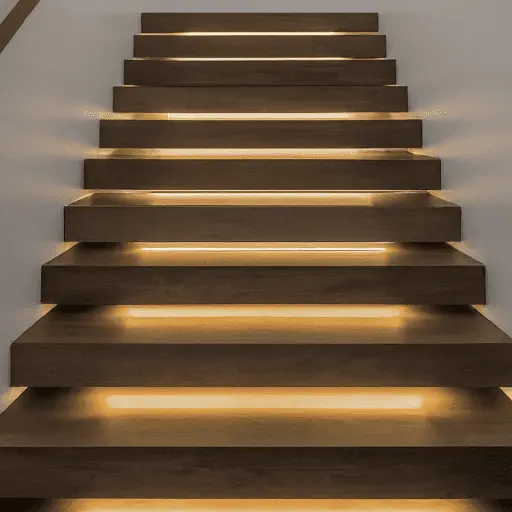
Start with the Function of the Space
The single most important factor is what people will do in that space. A boutique hotel lobby has very different lighting needs than a hospital corridor. In our experience shipping to projects in Germany and Australia, we find that lighting designers and contractors often already have a Kelvin target in mind. The challenge is matching that target precisely and consistently.
Here is a quick reference to help you map space types to color temperatures:
| Space Type | Recommended CCT | Why |
|---|---|---|
| Hotel lobby / lounge | 2700K–3000K | Creates warmth, invites guests to linger |
| Retail showroom | 3500K–4000K | Balances product color accuracy with ambiance |
| Open-plan office | 4000K–4500K | Promotes alertness and focus without harshness |
| Hospital / laboratory | 5000K–6500K | Maximizes visibility and supports precision tasks |
| Restaurant dining area | 2200K–2700K | Ultra-warm tones mimic candlelight for intimacy |
| Warehouse / industrial | 5000K–6500K | High-contrast daylight improves safety and efficiency |
Don't Ignore CRI
Color Rendering Index 3 matters just as much as Kelvin in commercial settings. A 4000K strip with a CRI of 70 will make retail products look dull and washed out. We always recommend CRI 90+ for any project where color accuracy matters — think fashion retail, art galleries, food displays, and healthcare.
Consider the Existing Environment
Wall colors, ceiling finishes, and furniture all interact with your light. Warm light enhances wood tones, red brick, and earthy palettes. Cool light works better with concrete, steel, glass, and blues or grays. If you're lighting a space with mixed materials, neutral white around 3500K–4000K often provides the safest middle ground.
Layer Your Lighting
In many commercial projects, you won't use just one color temperature. Task lighting might be 5000K while ambient cove lighting is 3000K. Our engineering team often helps contractors specify different CCT values for different zones within the same project. The key is to avoid visible transitions between warm and cool zones in one sightline — that creates visual confusion and looks unprofessional.
Test Before You Commit
We always encourage clients to order samples first. A Kelvin number on a spec sheet doesn't tell you how the light will feel in your actual space. Request a short length of your chosen CCT, install it in the target area, and evaluate it at night and during the day. This small step prevents expensive mistakes at scale.
How can I guarantee that my LED strip color temperatures remain consistent across multiple production batches?
Batch-to-batch color inconsistency is one of the top complaints we hear from distributors running long-term projects. One shipment looks perfect, the next shifts noticeably warmer or cooler.
To guarantee consistent color temperatures across batches, work with a supplier that uses strict LED binning, maintains a narrow tolerance (±100K for warm white), and provides batch-specific test reports. Requesting the same LED bin code for repeat orders is the most reliable method.

What Is LED Binning and Why Does It Matter?
LED chips come off the production line with slight variations. Even chips from the same wafer can differ in color temperature, brightness, and forward voltage. Binning is the process of sorting these chips into groups (bins) with similar characteristics. The tighter the bin, the more consistent your strips will look when installed side by side.
When we process orders at our facility, we specify bin codes to our chip suppliers. This ensures that every reel in a given order — and ideally across repeat orders — uses LEDs from the same narrow performance window.
Understanding Tolerance Ranges
Not all manufacturers hold the same tolerance. Here's what you should expect:
| CCT Range | Typical Budget Tolerance | Quality Manufacturer Tolerance |
|---|---|---|
| 2700K–3000K (Warm White) | ±200K–300K | ±100K or tighter |
| 3500K–4000K (Neutral White) | ±200K–300K | ±150K |
| 5000K–6500K (Cool/Daylight) | ±300K–500K | ±200K–300K |
A "3000K" strip from a budget supplier might actually measure anywhere from 2700K to 3300K. In a hotel corridor where strips from different batches sit next to each other, this difference is clearly visible to the naked eye. That's why we urge contractors and project buyers to request test reports showing actual measured CCT for each batch.
How to Protect Yourself as a Buyer
Here are practical steps you can take:
- Request the bin code — Ask your supplier for the specific MacAdam ellipse step 5 or ANSI bin. A 3-step MacAdam ellipse means virtually no visible color difference between strips.
- Order ahead — If you know a project will span multiple shipments, ask your supplier to reserve enough LEDs from the same bin to cover the entire order.
- Review test reports — Every production batch should come with a photometric test report 6 showing measured CCT, CRI, and lumen output.
- Keep reference samples — We ship labeled reference samples with each batch so our clients can visually compare new deliveries against previous ones.
Real-World Impact
I recall a project in Melbourne where a distributor installed LED strips from two different suppliers in the same retail fit-out. The difference was only about 250K — 3000K versus 3250K — but under the low ceiling, the mismatch was obvious. They had to strip out and redo an entire section. That rework cost more than double what they saved by mixing suppliers. Consistency isn't optional in professional settings; it's a baseline requirement.
Which Kelvin range should I select to achieve the right mood for my high-end interior design settings?
Mood is everything in high-end interior design. The wrong color temperature can make a luxury space feel like a hospital or a fast-food restaurant.
For high-end interiors, select 2700K–3000K for warm, intimate atmospheres in living rooms, bedrooms, and dining spaces. Use 3000K–3500K for elegant transitional areas. Always pair your chosen Kelvin with CRI 90+ to ensure materials, fabrics, and finishes render beautifully.

The Psychology of Light Color
Color temperature directly affects how people feel. Research consistently shows that warm light (below 3000K) promotes relaxation and comfort. It slows the pace. It makes wood grain richer, marble warmer, and fabric softer. That's why virtually every five-star hotel, high-end restaurant, and luxury residence uses warm white lighting 8.
On the other hand, cooler light above 4000K signals alertness and energy. It's useful in kitchens and bathrooms where tasks require focus. But in a living room or bedroom, it feels clinical and uninviting.
Room-by-Room Recommendations for High-End Projects
| Room / Area | Ideal CCT | Design Effect |
|---|---|---|
| Master bedroom | 2700K | Soft, restful, mimics warm incandescent glow |
| Living room | 2700K–3000K | Warm and inviting, flatters furnishings |
| Dining room | 2200K–2700K | Ultra-warm candlelight effect enhances food and faces |
| Kitchen (task areas) | 3500K–4000K | Clean and functional, reveals food colors accurately |
| Bathroom (vanity) | 3000K–3500K | Flattering for skin tones while still functional |
| Hallway / foyer | 2700K–3000K | Welcoming first impression |
| Walk-in closet / dressing area | 3500K–4000K with CRI 95+ | Accurate fabric and garment color rendering |
| Home office | 3500K–4000K | Balanced light supports focus without harshness |
Why CRI Matters More in Luxury Spaces
In a high-end setting, your clients are investing in beautiful materials — Italian marble, hand-dyed textiles, custom millwork. Low CRI light will flatten and distort these surfaces. When we develop strips for interior design projects, we default to CRI 95+ for the warm white range. The difference between CRI 80 and CRI 95 under 2700K light is dramatic. Colors pop, textures gain depth, and skin tones look natural.
Tunable White: The Best of Both Worlds
For designers who want maximum flexibility, tunable white LED strips 9 are increasingly popular. These strips allow you to shift the color temperature anywhere from 2700K to 6500K using a controller or app. A living room can glow at 2700K during dinner and shift to 4000K during morning cleaning.
We've been producing more tunable white strips each year, especially for smart home integrations in Australia and Germany. The cost is higher than fixed-CCT strips, but for multi-use rooms and clients who value customization, it's a worthwhile investment. The key is to make sure both ends of the tunable range — the warmest and the coolest — have high CRI. Some budget tunable strips sacrifice color rendering at the extremes.
A Common Mistake Designers Make
One pitfall we often see: designers choose a color temperature based on a digital rendering rather than a physical sample. Rendering software doesn't perfectly simulate how a specific Kelvin value interacts with real-world materials. Always test the actual strip in the actual space. We offer sample kits for this exact purpose — short lengths in 2700K, 3000K, 3500K, and 4000K so designers can evaluate side by side before committing.
Can I request a custom color temperature from my supplier to meet my project's unique technical requirements?
Sometimes the standard 2700K, 3000K, 4000K, or 6500K options just don't fit. Maybe you need exactly 3200K to match existing fixtures, or 2400K for a specific hospitality brand standard.
Yes, you can request custom color temperatures from capable suppliers. Most quality LED strip manufacturers offer custom CCT options through specific LED bin selection and blending techniques. Expect longer lead times and potentially higher MOQs, but the result will precisely match your project's requirements.

How Custom CCT Is Achieved
There are two main ways we produce custom color temperatures at our facility. The first is bin selection — sourcing LED chips that fall into a specific, non-standard Kelvin bin from our chip suppliers. For example, if you need 3200K, we request a bin centered on that value from the chip manufacturer. This is the cleanest approach and yields the most consistent results.
The second method is CCT blending on tunable white strips. By combining warm and cool LEDs on the same strip and setting a fixed ratio via the driver or controller, we can target virtually any value between the two endpoints. This method gives flexibility but requires careful calibration.
What to Expect When Ordering Custom CCT
Here's what the process typically looks like:
- Specification discussion — You tell us the exact CCT target, tolerance range, CRI requirement, and project quantity.
- Feasibility check — Our engineering team checks chip availability and confirms whether the target can be met through bin selection or blending.
- Prototype production — We produce a small sample batch (usually 3–5 meters) for your approval.
- Testing and approval — You evaluate the sample in your target environment. We provide a photometric test report.
- Mass production — Once approved, we move to full production. Lead time is typically 2–4 weeks longer than standard orders.
Practical Considerations
Custom CCT does come with trade-offs. The MOQ is usually higher because we need to order a specific chip bin, and those chips can't easily be used for other orders. Lead times are longer. And cost per meter may increase by 10–20% depending on the complexity.
But for projects where the lighting must match an existing standard — like a hotel chain with a brand-specified 2850K across all properties — custom CCT is non-negotiable. We've fulfilled orders like this for hospitality distributors in Australia who manage rollouts across multiple sites. The consistency across locations is what sets the project apart.
Questions to Ask Your Supplier
Before placing a custom CCT order, make sure to ask:
- What is the tightest tolerance you can guarantee on this custom CCT?
- Can you hold the same bin code for a reorder six months from now?
- What is the minimum order quantity for a custom Kelvin value?
- Will the CRI remain above 90 at this non-standard CCT?
- Can you provide a sample before mass production?
These questions will quickly reveal whether your supplier has the capability and quality systems to deliver reliable custom color temperatures. If they can't answer confidently, that's a red flag.
When Standard Is Good Enough
Not every project needs custom CCT. If 3000K or 4000K from a quality manufacturer with tight binning meets your spec, there's no reason to go custom. Standard bins are more readily available, cheaper, and easier to reorder. Custom CCT is a powerful tool, but use it when the project truly demands it.
Conclusion
Choosing the right LED strip color temperature comes down to understanding your space, your audience, and your quality requirements. Match the Kelvin value to the mood, demand tight binning for consistency, and always test samples before committing to a full order.
Footnotes
- Explains the Kelvin scale as it relates to color temperature in lighting. ↩︎
- Introduces the ANSI/NEMA standard for LED binning, ensuring color and brightness consistency. ↩︎
- Defines CRI and its importance in accurately revealing object colors under a light source. ↩︎
- Defines lumen as the SI unit of luminous flux, quantifying perceived power of visible light. ↩︎
- Wikipedia provides an authoritative and detailed explanation of MacAdam ellipses and their significance in color vision and LED lighting. ↩︎
- Describes photometric reports for LED products, including light output, color, and electrical measurements. ↩︎
- Details the process of LED binning for sorting chips by color, voltage, and brightness. ↩︎
- Discusses the calming and relaxing effects of warm white lighting in various settings. ↩︎
- Explains tunable white technology, allowing adjustment of color temperature from a single strip. ↩︎
- Describes CCT blending as a method to achieve custom color temperatures on LED strips. ↩︎



 English
 Spanish
 German
 Russian
 Arabic
 French
 Portuguese