
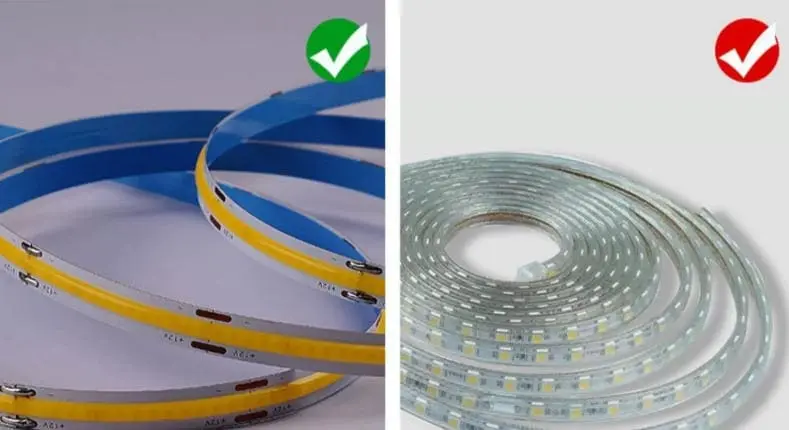
подрядчики и дистрибьюторы обычно задают нам один и тот же вопрос: COB или SMD?
COB (Chip on Board) светодиодные ленты встраивают сотни крошечных чипов под один слой фосфора для получения непрерывного, без точечных световых пятен света, в то время как SMD (Surface Mounted Device) ленты монтируют отдельные светодиодные чипы с интервалами, создавая видимый источник точечного освещения. Эти технологии значительно отличаются по равномерности света, управлению теплом, стоимости, ремонтопригодности и идеальным сценариям использования.
Оба типа упаковки заслужили свое место в современной освещении COB (Chip on Board) LED-лент 1. Правильный выбор зависит от целей вашего проекта, вашего бюджета и того, насколько сильно вам нужен контроль над конечным визуальным результатом. Ниже мы подробно объясняем каждое важное отличие, чтобы вы могли принять уверенное решение при закупке.
Как выбрать между COB и SMD, чтобы обеспечить отсутствие видимых пятен в освещении проекта?
Видимые светодиодные точки — это самая распространенная жалоба, которую мы слышим от дизайнеров освещения, выбирающих ленты для открытых ниш или под-рейл приложений Ленты SMD (поверхностный монтаж) 2.
Чтобы устранить видимые пятна, выбирайте светодиодные ленты COB. Их непрерывный слой люминофора объединяет свет от плотно расположенных чипов в ровное, однородное сияние без отдельных точек. На лентах SMD видны отдельные яркие точки между чипами, поэтому для уменьшения пятен при открытой установке требуются диффузионные каналы или встраиваемые профили.
Почему у лент SMD видны точки
Ленты SMD используют отдельные светодиодные корпуса — модели такие как 2835, 3528 или 5050 — припаянные к гибкой печатной плате 3 через равные промежутки. Расстояние между каждым чипом создает темную зону. Когда вы смотрите на ленту с обычного расстояния, вы видите повторяющийся узор ярких точек и тусклых промежутков биннинг эллипсов МакАдама 4. Это то, что индустрия называет "споттинг" или "горячие точки"."
Степень проявления точек зависит от двух факторов: плотности чипов и расстояния просмотра. Лента с 60 светодиодами на метр выглядит гораздо более точечной, чем с 120 светодиодами на метр. Но даже при 120 светодиодах/м, отдельные точки остаются видимыми, когда лента установлена в открытом канале без матового рассеивателя.
Почему COB ленты устраняют точки
Технология COB меняет подход. Вместо установки готовых светодиодных корпусов наши инженеры приклеивают сотни голых светодиодных кристаллов прямо на подложку PCB 5 а затем покрывают всю матрицу одним слоем фосфора. В результате получается непрерывная светящаяся поверхность. Нет зазоров, темных зон и видимых точек — даже без рассеивателя.
В нашей лаборатории тестирования мы регулярно сравниваем COB и SMD ленты бок о бок на расстоянии 0,5 метра. COB лента выглядит как сплошная световая лента. SMD лента, даже при 120 светодиодах/м, показывает четкие отдельные точки.
Угол луча тоже важен
Обнаружение не ограничивается только плотностью чипов. Роль играет угол луча. COB-ленты обычно излучают свет примерно под углом 180 градусов, что означает широкое рассеивание света и быстрое смешивание. SMD-ленты обычно располагаются примерно под углом 120 градусов, сосредотачивая свет в более узком конусе и делая каждую точку более заметной.
| Особенность | COB-лента | SMD-лента (2835/5050) |
|---|---|---|
| Видимые светодиодные точки | No | Да |
| Типичный угол луча | ~180° | ~120° |
| Требуется диффузор для безточечного вида | No | Да |
| Рекомендуемая плотность светодиодов для лучшей однородности | 480–528 светодиодов/м | 120–240 светодиодов/м |
| Идеально для открытого монтажа | Да | Только с матовым профилем |
Практическая рамка принятия решений
Если лента будет видна конечному пользователю — например, плавающие полки, ступени, стеклянные поручни или открытые карнизы — COB является более безопасным выбором. Если лента будет скрыта внутри глубокого алюминиевого канала с тяжелым матовым диффузором, SMD может хорошо работать и сэкономить бюджет. Главное — подобрать технологию в соответствии с контекстом установки.
Из нашего опыта работы с подрядчиками в России и других странах, тенденция ясна: любой проект, где лента хотя бы частично видна, теперь по умолчанию выбирает COB. Визуальное отличие просто слишком очевидно, чтобы его игнорировать.
Какой тип упаковки светодиодов обеспечивает наилучшую долговечность и гибкость для моих высококлассных коммерческих установок?
Подрядчики, с которыми мы работаем в России, часто устанавливают ленты в заведениях сферы гостеприимства — бары, лобби отелей, розничные выставки — где ленты должны выдерживать годы непрерывного использования.
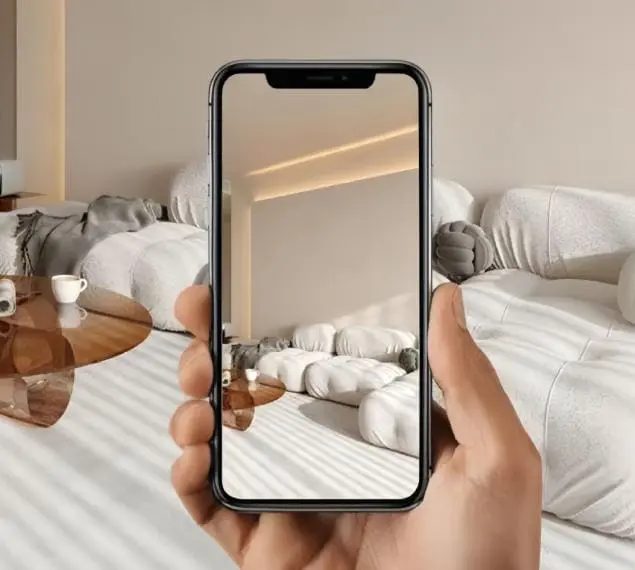
Для высококлассных коммерческих установок COB-ленты обеспечивают превосходную долговечность благодаря плотной компоновке чипов, которая равномерно распределяет механические нагрузки, уменьшая усталость пайковых соединений при изгибе и монтаже. SMD-ленты предоставляют больше возможностей для индивидуального ремонта, но имеют концентрированные точки отказа в каждом пайковом соединении. Оба типа требуют качественных алюминиевых профилей и правильного теплового управления для максимизации срока службы в сложных коммерческих условиях.
Распределение механического напряжения
Когда вы изгибаете ленту по кривой — например, оборачивая её вокруг изогнутого переборки или радиусного уступа — каждый чип и пайковое соединение поглощают нагрузку. На SMD-ленте каждый отдельный светодиодный пакет расположен на двух или более пайковых площадках. Эти площадки — самое слабое место. Повторные изгибы или вибрации могут привести к трещинам в соединении, что уничтожит этот один светодиод и оставит тёмное пятно в вашей установке.
COB-ленты по-другому справляются с изгибом. Поскольку кристаллы очень малы и расположены в непрерывной строке, нагрузка распределяется по многим точкам, а не сосредоточена в нескольких. В нашей лаборатории мы изгибали COB-ленты по радиусу 20 мм без отказа чипов. Тот же тест на стандартных SMD-5050-лентах показал трещины в пайках примерно у половины образцов.
Тепло и срок службы
Тепло — это тихий враг долговечности светодиодов. И COB, и SMD-ленты выделяют тепло. Разница в том, как они с этим справляются.
SMD-ленты создают локальное тепло в каждом чипе. Если один чип работает горячее своих соседей — из-за небольшого отклонения в пайке или блокировки воздушного потока — он деградирует быстрее и со временем меняет цветовую температуру. Это приводит к неравномерному старению всей ленты.
COB-ленты распределяют тепловую нагрузку по всей поверхности подложки. Прямое соединение между кристаллом и печатной платой создает эффективный тепловой путь. В сочетании с качественным алюминиевым профилем тепло передается от чипа к металлу, а затем в воздух по короткому, прямому маршруту. Именно поэтому хорошо сделанные COB-ленты регулярно достигают 50 000 и более часов заявленного срока службы.
Проблема ремонтопригодности
Здесь SMD действительно имеет честное преимущество. Если один светодиод на SMD-ленте выходит из строя, квалифицированный специалист может его распаять и заменить. На COB-ленте из-за непрерывного слоя фосфора практически невозможно выполнить точечный ремонт. Вместо этого заменяется весь сегмент.
Однако для коммерческих проектов эта проблема редко имеет значение на практике. Большинство подрядчиков предпочитают быстро заменить целый сегмент, а не тратить часы на микро-пайку одного чипа. И если COB-лента сделана качественно — с хорошим тепловым дизайном, качественными кристаллами и правильным токовым управлением — отказ отдельных чипов крайне редок.
| Фактор долговечности | COB-лента | SMD-лента |
|---|---|---|
| Распределение нагрузки при изгибе | Равномерно по всей цепочке кристаллов | Концентрировано в отдельных точках паяных соединениях 7 |
| Минимальный безопасный радиус изгиба | ~15–20 мм | ~30–50 мм (зависит от модели) |
| Типичный расчетный срок службы | 50 000+ часов | 30 000–50 000 часов |
| Возможен локальный ремонт | Нет (замена сегмента) | Да (десолировать отдельный чип) |
| Риск видимой точки отказа для конечного пользователя | Очень низкий | Умеренный |
| Рекомендуется для плотных кривых линий | Да | С осторожностью |
Что на самом деле означает "Гибкость"
Некоторые источники описывают SMD-ленты как "более гибкие". Это может вводить в заблуждение. SMD-ленты могут изгибаться свободнее, потому что плата между чипами не нагружена. Но "гибкий" не означает "устойчивый к изгибам". COB-ленты гнутся менее драматично, но лучше выдерживают изгибы. Для коммерческих установок, где ленты должны соответствовать архитектурным формам и оставаться на месте годами, важнее долговечность COB при изгибе.
На нашей производственной линии мы проводим тест сгиба на 180 градусов для каждой партии. COB-ленты стабильно проходят его без световых дефектов. Это дает нашим подрядчикам уверенность при установке в сложных геометриях.
Как выбор COB вместо SMD повлияет на мои затраты на закупку и долгосрочную рентабельность для моих клиентов?
Обсуждение бюджета возникает в каждом коммерческом проекте. Когда мы готовим разбивку стоимости для дистрибьюторов, цена COB всегда выше — но окончательная картина более сложная.
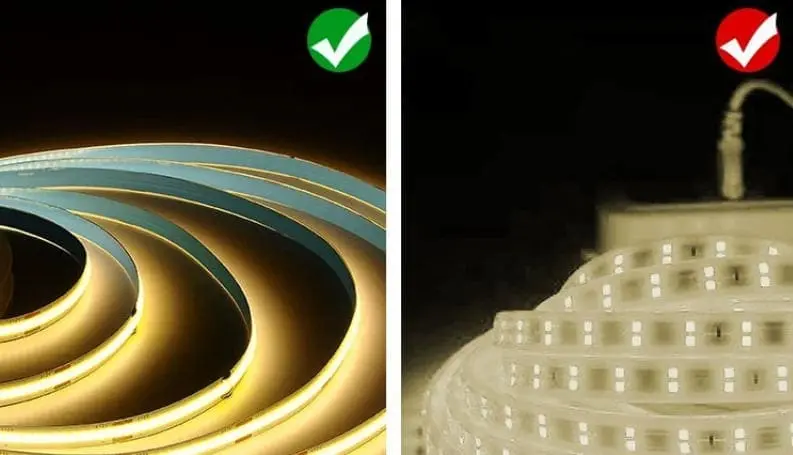
COB LED ленты стоят на 20–40% дороже за метр по сравнению с аналогичными SMD лентами из-за более высокой плотности чипов и передового производства. Однако COB снижает общие затраты проекта за счет исключения необходимости использования тяжелых диффузорных профилей, уменьшения количества вызовов на обслуживание и увеличения циклов замены. За пятилетний срок эксплуатации в коммерческих установках COB часто обеспечивает более высокий ROI, несмотря на более высокую первоначальную цену.
Разбор первоначальных затрат
Стоимость сырья для COB-ленты выше по простой причине: вы упаковываете на плату в сотни раз больше светодиодов на метр, а процесс нанесения фосфорного покрытия более сложен. На наших линиях 24V COB-лента с 480 светодиодами на метр в 4000K обычно стоит на 20–35% больше, чем 24V SMD 2835-лента с 120 светодиодами на метр при аналогичных условиях. светового потока 8.
Но первоначальная стоимость ленты — это только один пункт в бюджете проекта. Также необходимо учитывать профили, диффузоры, драйверы, трудовые затраты и долгосрочное обслуживание.
Скрытая экономия с COB
Поскольку COB-ленты выглядят аккуратно без диффузора, многие дизайнеры выбирают простые открытые или прозрачные алюминиевые каналы вместо глубокого матового профиля. Матовый диффузорный профиль может стоить на 30–50% больше, чем тонкий открытый канал. В крупном проекте с сотнями метров ленты эта экономия на профилях может компенсировать или даже превысить цену премиума за COB.
Рабочие затраты также снижаются. Установщики тратят меньше времени на выравнивание диффузорных линз и проверку видимых точечных узоров через крышку. Наш российский партнер по дистрибуции сообщил о снижении трудозатрат на установку на 15% после перехода с SMD на COB для открытых применений.
Энергия и окупаемость затрат на обслуживание
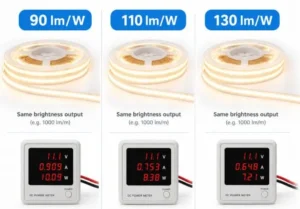
COB-ленты обычно достигают более 80 люмен на ватт. Качественные SMD-ленты варьируются от 50 до 100 люмен на ватт в зависимости от модели чипа. В проекте коридора отеля длиной 500 метров, работающего 12 часов в день, даже преимущество по эффективности 10% приводит к значительной экономии энергии за пять лет.
Обслуживание — это область, где аргумент о рентабельности наиболее убедителен. COB-ленты с правильным тепловое управление 9 редко выходят из строя из-за отказа одного чипа или изменения цвета. SMD-ленты, особенно низкокачественные, могут развивать мертвые светодиоды или заметное изменение цвета после 15 000–20 000 часов. Каждая вызов на замену сегмента ленты в завершенном потолке стоит гораздо дороже самой ленты.
| Коэффициент стоимости | COB-лента | SMD-лента |
|---|---|---|
| Стоимость ленты за метр (сравнимый световой поток) | Более высокая (премиум 20–40%) | Ниже (базовая) |
| Стоимость профиля/диффузора | Ниже (открытый канал часто достаточен) | Более высокая (матовый диффузор необходим для безточечного вида) |
| Работа по установке | Ниже (отсутствие выравнивания диффузора, проверка точек) | Выше |
| Стоимость энергии (за 1000 часов при равном световом потоке) | Ниже (типично 80+ лм/Вт) | Умеренная (50–100 лм/Вт зависит от чипа) |
| Обратные вызовы по обслуживанию за 5 лет | Меньше | Больше (отказы отдельных светодиодов, изменение цвета) |
| Общая стоимость владения (цикл 5 лет) | Часто ниже | Часто выше, несмотря на более низкую цену полосы |
Когда SMD всё ещё имеет финансовый смысл
SMD — правильный выбор, когда полоса полностью скрыта, когда проект краткосрочный или временный, или когда клиент нуждается в RGB или адресуемых пиксельных эффектах, которые COB пока плохо поддерживает. Для освещения мероприятий, временных розничных точек или декоративных установок настроение, более низкая цена входа и широкий выбор цветов у SMD выигрывают по соотношению цена/качество.
Итог: цена за метр — не стоимость проекта. Мы всегда рекомендуем нашим партнёрам по закупкам рассчитывать общие затраты на установку перед принятием решения о технологии.
Могу ли я поддерживать строгую цветовую согласованность между разными партиями, если перейду на технологию COB под собственной маркой?
Цветовая согласованность — это проблема, которая не даёт покоя владельцам брендов с собственной маркой. Один из наших долгосрочных партнёров в России однажды отказался от всей партии, потому что разница в цветовой температуре в 50K между партиями была заметна, когда старые и новые полосы соединялись вместе.
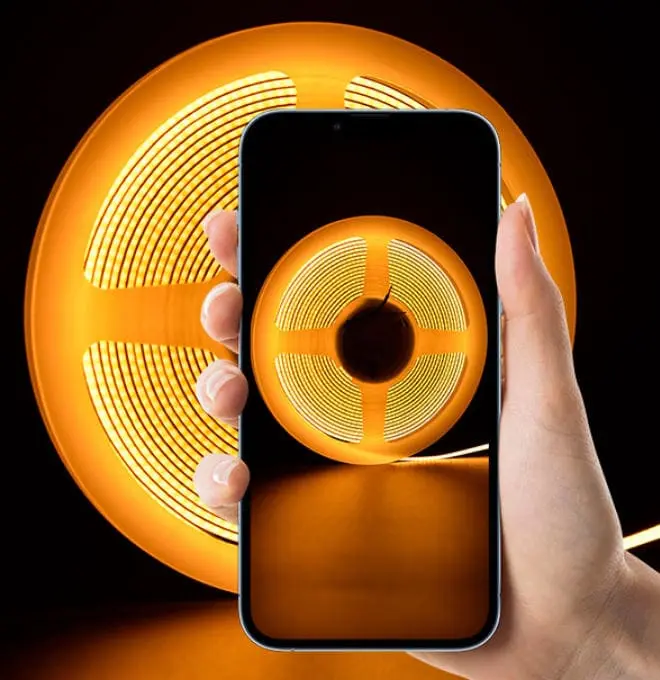
Да, технология COB обеспечивает строгую согласованность цвета от партии к партии — но только если производитель контролирует сортировку, смешивание фосфора и калибровку тока на каждом этапе. Непрерывный слой фосфора COB фактически помогает смешивать незначительные цветовые вариации на уровне чипов, что дает ей естественное преимущество перед лентами SMD, где видны отдельные различия чипов. Ключ к успеху — работать с поставщиком, который придерживается строгой сортировки по эллипсам МакАдама, желательно 3-ступенчатой или более точной.
Почему согласованность цвета сложнее, чем кажется
Светодиодные кристаллы не идеально одинаковы. Каждый чип на пластине имеет небольшие отклонения по длине волны и яркости. Производители сортируют эти чипы по "корзинам" (бинам) на основе измеренных цветовых координат. Чем уже бина, тем более однороден конечный продукт — и тем дороже процесс сортировки.
Для полос SMD каждый светодиодный пакет — это отдельный источник света. Если два соседних пакета принадлежат разным бинам, разница в цвете заметна невооружённым глазом. Особенно это проблематично при длинных установках, где полосы из разных партий соединяются друг с другом.
Преимущество естественного смешивания у COB
Технология COB имеет встроенное преимущество. Поскольку сотни кристаллов расположены под одним слоем фосфора, небольшие различия в цвете между чипами сглаживаются фосфором. В результате получается более однородный световой поток от самой полосы. Можно представить это как смешивание краски: отдельные пигментные частицы могут различаться, но итоговый цвет на стене выглядит равномерным.
Однако — и это критично — такое смешивание работает только внутри одной полосы. Между партиями формула фосфора, толщина слоя и условия отверждения должны быть строго контролируемыми. Если смесь фосфора изменится между производственными запусками, цветовая характеристика партии будет сдвигаться независимо от бина кристаллов.
Что мы делаем для поддержания точности цвета
На нашей производственной линии мы внедряем несколько контролей:
- Классификация по бинам: Мы закупаем диоды в пределах эллипса МакАдама в 3 шага. Это означает, что цветовая вариация практически незаметна для большинства человеческих глаз.
- Контроль фосфора: Мы смешиваем фосфор в контролируемых партиях и тестируем каждую смесь по сравнению с эталонным стандартом перед нанесением покрытия.
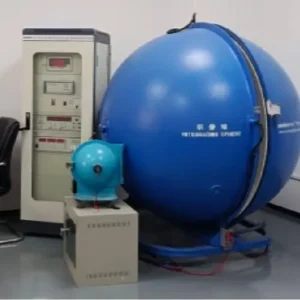
- Встроенное спектральное тестирование: Каждая катушка тестируется с помощью спектрофотометра. Мы записываем цветовую температуру (CCT), индекс цветопередачи (CRI) и координаты хроматичности 10 и сравниваем их с заказной спецификацией.
- Хранение эталонных образцов: Мы сохраняем запечатанный образец из каждой партии, чтобы в будущем можно было сравнить заказы визуально и инструментально.
Что спрашивать у вашего поставщика
Если вы рассматриваете переход с частной марки на COB, задайте вашему поставщику следующие вопросы:
- Какой класс по бинам МакАдама вы используете для диодов COB?
- Как вы контролируете однородность партии фосфора?
- Можете ли вы предоставить спектральные отчеты по каждой катушке?
- Храните ли вы эталонные образцы для повторных заказов?
- Какой у вас диапазон допуска по CCT и CRI для разных партий?
Если они не смогут ясно ответить, только технология сама по себе не спасет вас. COB облегчает достижение однородности, но не делает это автоматически. Производственная дисциплина, стоящая за COB, важна так же, как и сам COB.
Это действительно ключевое понимание: COB не обязательно лучше по умолчанию. Хорошо сделанная COB-лента лучше. Плохо сделанная концентрирует все свои проблемы — тепло, цветовой дрейф, преждевременный отказ — в одной непрерывной поверхности, где дефекты невозможно скрыть. Качество производителя — переменная, которая склоняет чашу весов.
Заключение
COB и SMD решают разные задачи. Подбирайте технологию в соответствии с проектом — открытые установки предпочтительнее для COB, скрытые или динамические — для SMD. Контроль качества производителя важнее, чем только тип упаковки.
Примечания
- Объясняет технологию светодиодных лент COB и их характеристики. ↩︎
- Описание технологии светодиодных лент SMD и их характеристик. ↩︎
- Заменена ссылка 404 на подробное объяснение гибких печатных плат. ↩︎
- Объясняет метод обеспечения цветовой согласованности светодиодов. ↩︎
- Объясняет базовый материал для приклеивания кристаллов светодиодов и отвода тепла. ↩︎
- Определяет ключевое оптическое свойство светодиодных лент, влияющее на распространение света. ↩︎
- Выявляет распространённую точку отказа в долговечности светодиодных лент. ↩︎
- Заменена ссылка 404 на всестороннюю статью о люменах в освещении. ↩︎
- Ключевой фактор для долговечности, производительности и стабильности цвета светодиодов. ↩︎
- Заменена ссылка 404 на авторитетное объяснение координат хроматичности в Википедии. ↩︎

 English
 Spanish
 German
 Russian
 Arabic
 French
 Portuguese