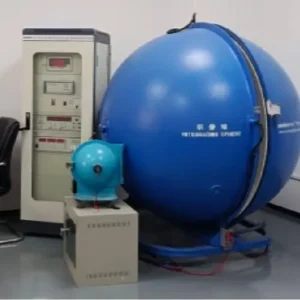
When we engineer our project-grade LED strips, we often see contractors struggle with dark spots or visible seams because they skipped the initial consultation phase. This oversight frequently leads to costly rework and client dissatisfaction.
To consult a supplier effectively for seamless joint advice, you must provide specific project parameters including thermal conditions, mounting surfaces, and run lengths. Explicitly ask about connection types—whether soldering, connectors, or custom docking plates—and request detailed guidance on brightness compensation at joints and specific aluminum channel pairing to ensure a continuous, spotless light effect.
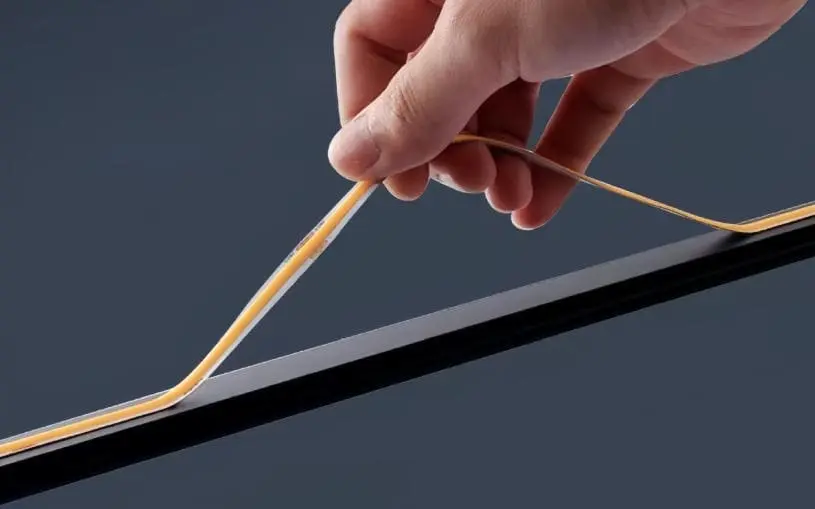
Let’s explore exactly how to extract the best technical advice from your manufacturing partner.
What technical details must I provide to get accurate advice on seamless joints?
In our factory's testing lab, we frequently replicate site conditions to solve failure cases where generic advice wasn't enough. Without precise data, even the best engineering team cannot guarantee a flawless, gap-free installation.
You must provide the supplier with comprehensive environmental data, including ambient temperature ranges and humidity levels, alongside specific structural details like mounting surface material and total run length. Additionally, submit CAD drawings showing corner angles and feed points, as these dictate the necessary thermal expansion allowances and specific connector types required for a truly seamless finish.
To ensure we can provide a solution that eliminates visible gaps or light interruptions, you need to go beyond basic length requirements. A "seamless" result in LED lighting—especially for high-end commercial projects—depends heavily on how the materials interact with their environment.
Environmental and Structural Specifications
The most common cause of joint failure or visible buckling in LED strips and aluminum profiles is thermal expansion. When we co-develop products for clients in Australia or Germany, we require data on the installation environment. For instance, aluminum expands at a different rate than the copper PCB in the LED strip. If you are installing a 20-meter run in an outdoor facade that faces direct sunlight, the internal temperature can spike significantly.
You need to provide the following specifics:
- Substrate Material: Are you mounting onto concrete, drywall, or wood? Each transfers heat differently.
- Ambient Temperature Swing: The difference between the hottest and coldest times of day affects how much gap tolerance is needed at the joints.
- Exposure: Is the installation subject to UV radiation or high humidity? This determines if we recommend a silicone-encased seamless solution or a standard IP20 connection.
Visualizing the Layout
Words are often insufficient for complex geometries. Providing blueprints or simple sketches allows our engineers to identify potential "hotspots" or dark zones at corners. For seamless corners, we need to know if you require a horizontal bend (flat on the surface) or a vertical bend (up and down).
Data Submission Checklist
To streamline your consultation, prepare a technical brief. This reduces back-and-forth emails and allows us to give you a precise "recipe" for installation.
| Technical Category | Specific Details Required | Why It Matters for Seamless Joints |
|---|---|---|
| Physical Dimensions | Exact run length, cut intervals, cross-section size. | Determines if standard rolls suffice or if custom-length soldering is needed to avoid mid-run connectors. |
| Thermal Conditions | Max/Min operating temp, ventilation availability. | Dictates the type of thermal tape and expansion gaps needed between aluminum profiles. |
| Surface Profile | Material type (wood, stone, metal), flatness. | Influences adhesive choice and whether mounting clips or drilled channels are better for flush alignment. |
| Electrical Load | Voltage drop calculations, power injection points. | Ensures brightness consistency across the joint so the seam is invisible to the eye. |
By providing this level of detail, you move from receiving a generic product catalog to receiving a tailored engineering solution. This proactive approach allows us to calculate the exact "cut-and-solder" points in our production line before shipping, minimizing the manual work your team needs to do on-site.
How can I ensure the supplier understands my specific requirements for a seamless finish?
We often receive requests for "seamless lighting" that turn out to mean completely different things to different designers. Misalignment here is the primary reason for visual inconsistencies in the final handover.
Ensure understanding by defining "seamless" quantitatively in your request, specifying acceptable visual tolerances such as "zero visible dark spots from 1 meter away." Request a "seam placement map" review where the supplier analyzes your layout to recommend joint locations that minimize structural stress and maximize aesthetic flow, ensuring the visual effect matches your design intent.
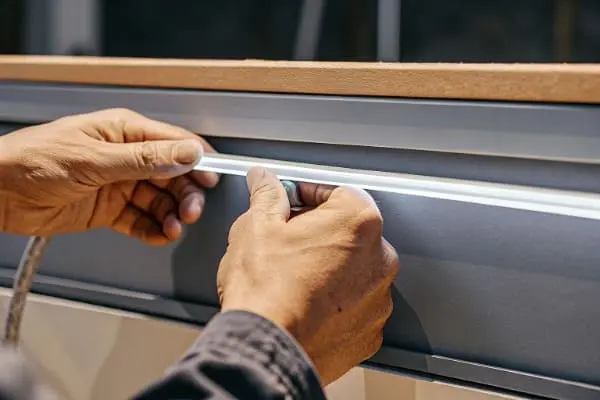
Achieving a truly seamless look requires a shared vocabulary between the lighting designer and the manufacturer. In our experience, "seamless" can imply three different things: physical touch (smooth surface), visual continuity (no dark spots), or structural integrity (waterproof continuity).
LED pitch 2
Defining the "Seamless" Standard
You must be explicit about what constitutes a failure. For a high-end hotel lobby, a 1mm gap in the diffuser might be unacceptable, whereas, for indirect cove lighting, it might be negligible. We recommend establishing a "Visibility Distance Standard." For example, state clearly: "The joint must be invisible to the naked eye from a distance of 1.5 meters."
The Role of Samples and Mock-ups
Never rely solely on digital renders. Ask us to produce a "Golden Sample"—a short prototype section specifically demonstrating the joint.
- Butt Joint vs. Lap Joint: Ask for samples of both. A butt joint puts two strips end-to-end, which often leaves a small dark spot. A lap joint (or soldering) overlaps the pads, maintaining pitch consistency.
- Diffuser Continuity: For aluminum profiles, the cover (diffuser) is critical. We often recommend using a "roll cover" (a continuous 50-meter silicone or PC diffuser) that snaps over multiple aluminum segments. This creates a surface with zero seams, even if the aluminum underneath is sectioned.
Communication Strategy Matrix
To ensure your requirements are translated correctly into the manufacturing process, use multiple channels and formats.
| Communication Channel | Action Item | Outcome |
|---|---|---|
| Video Conference | Live demo of joint assembly. | Verifies the physical ease of installation and visual result in real-time. |
| Annotated Photos | Mark up existing site photos with "No Joint Zone" areas. | Prevents suppliers from placing connectors in highly visible focal points. |
| Physical Samples | Request a pre-assembled joint sample. | Establishes a tangible quality benchmark for QC upon mass delivery. |
| Written Specs | Define "Seamless" in the purchase order (e.g., "Pitch maintenance <0.5mm"). | Creates a contractual obligation for visual consistency. |
Critical Questions to Ask
When discussing with our team, ask: "How do you compensate for the LED pitch at the cut point?" Standard strips have a specific distance between chips. If you cut and rejoin them, that distance often doubles, creating a shadow. A capable supplier will offer high-density strips or specific "seamless connectors" that maintain the exact pitch across the joint, ensuring the light looks like a single continuous line.
What documentation or guides should I request from the manufacturer for seamless installation?
During our years of exporting to strict markets like Germany, we have noticed that installation errors often stem from outdated or generic manuals. A generic manual is useless for a custom seamless project.
silicone 3
You should request project-specific installation manuals that detail the exact adhesive cure times, thermal expansion gaps, and finishing schedules for diffusers. Additionally, ask for the official Technical Data Sheet (TDS) to verify binning consistency and a customized wiring diagram that highlights exactly where to place power feeds to prevent voltage drop shadows at the joints.
Documentation is your safety net. For seamless joints, the standard "peel and stick" instruction sheet is insufficient. You need technical literature that addresses the physics of the joint.
IP20 connection 5
The Technical Data Sheet (TDS) and Beyond
The TDS provides the baseline, but for seamless applications, you need to look for specific metrics:
- MacAdam Ellipse Step: This indicates color consistency. For seamless runs, you need a 3-step or 2-step MacAdam ellipse to ensure the strip on the left of the joint matches the color of the strip on the right exactly.
- Bin Code: Ensure the documentation confirms that all reels in your order come from the exact same Bin. Even a slight variation in voltage or color rank will make the joint obvious.
Installation Guides for "Invisible" Joints
Request a guide that specifically covers the finishing aspect.
- Adhesive Open Times: If you are using a chemical bond for IP68 waterproof joints, knowing the cure time is vital. Moving the joint before it sets will create micro-cracks.
- Expansion Gap Charts: A good guide will tell you: "For every 2 meters of aluminum profile, leave a 2mm gap for expansion, but cover it with a continuous diffuser."
- Polishing Schedules: If you are joining PMMA or PC diffusers, ask for the sanding grit progression (e.g., 400 -> 800 -> 1200 grit) to blend the seam so it disappears.
Essential Documentation Checklist
When you place your order, ensure these documents are in the package:
| Document Type | Purpose for Seamless Installation |
|---|---|
| Custom Wiring Diagram | Shows power injection points to avoid "dimming" at the far end of a joint. |
| Seam Placement Map | A layout drawing indicating exactly where cuts and connectors should be located on your specific ceiling plan. |
| Cure Time & Temp Chart | Critical for glued/waterproof joints; defines how long to hold the joint still based on site temperature. |
| Warranty Terms | Specifically the section defining "acceptable visual defects" regarding joints and seams. |
By holding the manufacturer accountable for this documentation, you shift the burden of technical expertise back to us. We know our product best, and we should provide you with the roadmap to install it perfectly.
copper PCB 6
Should I ask for on-site technical support when installing products with seamless joints?
We have seen large-scale commercial projects fail simply because the local crew wasn't trained on the specific locking mechanisms of our profiles. Sometimes, remote advice isn't enough to guarantee success.
blueprints 7
You should request on-site technical support or at least a virtual training session if the project involves complex custom geometries, novel waterproof jointing technologies, or exceptionally long continuous runs. While on-site support incurs higher costs, it drastically mitigates the risk of installation failures, ensuring the local crew masters the specific techniques for alignment and thermal management.
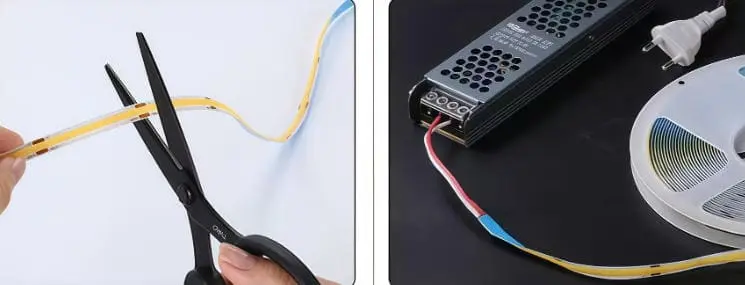
Deciding whether to fly a factory engineer to your site or hire a local specialist depends on the project's complexity and budget. However, for "seamless" requirements, the margin for error is razor-thin.
drywall 9
When is On-Site Support Mandatory?
If your project involves IP68 underwater seamless joints (like in swimming pools or exterior facades), we strongly advise on-site supervision. The chemical vulcanization process used to seal these joints is sensitive to humidity and technique. A bad seal means water ingress and total system failure within months.
Similarly, for complex architectural shapes where aluminum channels must be mitered and joined at non-standard angles (e.g., hexagons or curved walls), having a factory representative can speed up the process. We can bring specialized jigs and cutting tools that general contractors might not possess.
Virtual Alternatives and Training
If budgets are tight, we can offer a "Virtual Site Visit." This involves:
- Pre-installation Training: A video call where we demonstrate the joining technique to your lead installer.
- Live Troubleshooting: Your team video-calls us from the site during the first few joints so we can approve the workmanship.
- Mock-up Review: You send us a video of the first installed section for sign-off before proceeding with the rest.
Cost-Benefit Analysis of Support Options
| Support Level | Best For | Pros | Cons |
|---|---|---|---|
| Factory On-Site | High-budget, high-risk projects (e.g., luxury hotels, underwater). | Guaranteed expertise; immediate problem solving; liability shift. | High cost (travel + fees); scheduling delays. |
| Virtual Training | Standard commercial projects; experienced local crews. | Low cost; flexible scheduling; recorded for future reference. | Reliance on camera quality; cannot physically fix errors. |
| Third-Party Consultant | Projects requiring impartial certification. | Unbiased QC; local availability. | May not know the specific quirks of the manufacturer's product. |
The "Train the Trainer" Approach
A middle ground we often suggest is the "Train the Trainer" model. Send your project manager or lead electrician to our facility (or a local distributor's hub) for a one-day intensive workshop. They learn the specific "feel" of snapping the diffusers and soldering the pads correctly, then return to site to supervise the crew. This ensures the knowledge is transferred without the expense of keeping a factory engineer on-site for weeks.
Conclusion
Consulting a supplier for seamless joints requires shifting from a transactional mindset to a collaborative one. By providing precise environmental data, defining "seamless" with measurable tolerances, demanding specific documentation like seam maps, and evaluating the need for on-site support, you protect your project from visual defects. As manufacturers, we want your installation to look perfect—because your project is our best portfolio piece. Ask the hard questions early, and the results will shine.
thermal expansion 10
Footnotes
- General background information on the chemical composition of acrylic diffusers. ↩︎
- Leading manufacturer of LED components and technology. ↩︎
- Major manufacturer of silicone materials used in construction. ↩︎
- Industry authority defining color consistency standards in lighting. ↩︎
- International standard body defining Ingress Protection (IP) ratings. ↩︎
- International trade association for printed circuit board standards. ↩︎
- Government standards for architectural drawings and CAD documentation. ↩︎
- Official government guide on UV radiation levels and exposure. ↩︎
- Government resource on building material properties and safety. ↩︎
- Educational resource explaining the physics of thermal expansion in solids. ↩︎