

Каждую неделю на производственной линии мы получаем один и тот же запрос от подрядчиков: “Дайте мне ленту с самой высокой плотностью”. Но больше светодиодов на метр не всегда является правильным ответом.
Более высокая плотность светодиодов обеспечивает более плавный и равномерный световой поток, но это не всегда лучше. Более плотные ленты потребляют больше энергии, выделяют больше тепла и стоят дороже в эксплуатации. Лучший уровень плотности зависит от глубины профиля, расстояния до зрителя, теплового управления и бюджета проекта.
Позвольте пройтись по реальным компромиссам, чтобы вы могли выбрать правильную ленту для следующего проекта, избегая перерасхода или недостаточной производительности.
Как определить, необходимы ли светодиодные ленты высокой плотности для устранения пятен в моих архитектурных проектах?
Когда мы отправляем образцы архитектурным фирмам в России и других странах, самая распространенная жалоба на стандартные ленты — видимая точечность. архитектурные проекты 1 Это портит чистые линии дизайна и делает премиальный проект выглядящим дешевым.
Ленты с высокой плотностью (120–480 светодиодов/м) необходимы, когда лента монтируется близко к поверхности диффузора, прямо видна или освещает shallow алюминиевый профиль. Если лента скрыта за карнизом или находится далеко от поверхности просмотра, обычно достаточно стандартных 60 светодиодов/м.
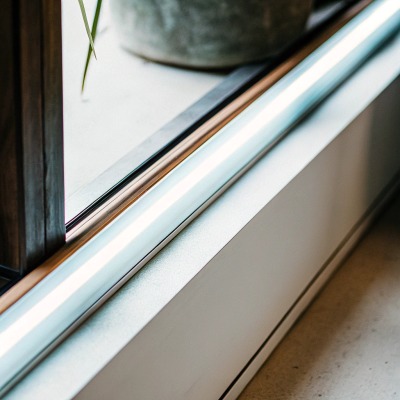
Что вызывает появление точек?
Появление точек происходит, когда расстояние между отдельными светодиодами слишком велико относительно расстояния между лентой и диффузором. Каждый светодиод создает яркую точку. Промежутки между ними остаются темными. Ваш глаз видит точки вместо линии.
Чем ближе лента расположена к диффузору или линзе вашего алюминиевый профиль 2, тем меньше света остается для смешивания. Именно здесь важна плотность.
Правило расстояния до зрителя
Простое правило, которое мы используем внутри компании: если диффузор находится менее чем в 15 мм от светодиодных чипов, вам нужно как минимум 120 светодиодов/м. Если менее 10 мм — выбирайте 240 светодиодов/м или выше. Для глубоких профилей с расстоянием до диффузора более 20 мм, 60 светодиодов/м могут выглядеть идеально равномерно.
| Расстояние диффузора от светодиодов | Минимальная рекомендуемая плотность | Типичное применение |
|---|---|---|
| Менее 10 мм | 240–480 светодиодов/м | Сверхтонкие поверхности профилей |
| 10–15 мм | 120–160 светодиодов/м | Стандартные встраиваемые профили |
| 15–25 мм | 60–120 светодиодов/м | Глубокие встраиваемые или нишевые профили |
| 25 мм+ | 60 светодиодов/м | Скрытая ниша, непрямое освещение |
Когда стандартной плотности достаточно
Не каждому проекту требуется высокая плотность. Если лента скрыта за полкой, внутри ниши, направленной на потолок, или спрятана в углублении, где никто не видит источник напрямую, стандартные 60 светодиодов/м экономят реальные деньги. Мы поставили множество крупных гостиничных проектов в России, где 60 светодиодов/м в глубоких нишах давали безупречные результаты.
Ключевой вопрос всегда: видит ли зритель ленту или ее отражение? Если нет, сэкономьте свой бюджет.
CRI и однородность цвета также важны
Даже при высокой плотности могут появляться отдельные точки в виде цветовых полос, если однородность бинов низкая. В наших производственных циклах мы сортируем светодиоды по узким цветовым бинам (3-шаговым Эллипса МакАдама 3) так, чтобы соседние светодиоды совпадали. Высокая плотность при плохом биннинге на самом деле делает неоднородность более заметной, а не менее.
Создаст ли выбор более высокой плотности светодиодов проблемы с управлением теплом для моих длинных установок?
На нашем испытательном стенде мы регулярно измеряем температуру лент на 10-метровых и 20-метровых непрерывных участках. Результаты неизменно показывают одно: больше светодиодов означает больше тепла, а тепло — это безмолвный убийца срока службы светодиодов.
Да, более высокая плотность светодиодов значительно увеличивает выделение тепла на метр. Для длинных установок свыше 5 метров необходимо сочетать светодиодные ленты высокой плотности с алюминиевыми радиаторами и проверять, чтобы общая мощность на метр оставалась в пределах тепловой емкости выбранного профиля. Пропуск этого шага приводит к преждевременному снижению яркости и изменению цвета.
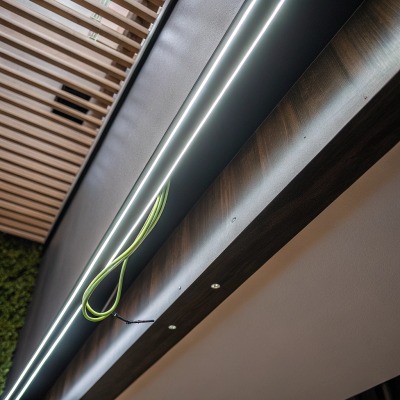
Как тепло повреждает светодиодные ленты
Светодиоды не перегорают, как лампочки накаливания. Они деградируют. Высокие температуры соединения ускоряют потерю яркости и смещение цветовой температуры в сторону желтого. уменьшение яркости 4 Лента, рассчитанная на 50 000 часов при температуре окружающей среды 25°C, может прослужить всего 20 000 часов при 55°C.
Для длинных линий тепло накапливается. В середине 10-метровой ленты она часто работает горячее, чем на концах, потому что теплу труднее рассеяться.
Мощность и тепло в зависимости от плотности
| Плотность светодиодов | Типичная мощность (Вт/м) | Выделение тепла относительно 60 светодиодов/м | Требуется алюминиевый профиль? |
|---|---|---|---|
| 60 светодиодов/м | 4,8–7,2Вт | Базовая (1x) | Рекомендуемый |
| 120 светодиодов/м | 9,6–14,4Вт | ~2x | Да |
| 240 светодиодов/м | 19,2–24Вт | ~3–4x | Да, более широкий профиль |
| 480 светодиодов/м | 28–38W | ~5–6x | Да, профиль тяжелого типа |
Практические шаги для длительных пробегов
Во-первых, всегда монтируйте полоски с высокой плотностью на алюминиевые профили. Профиль действует как радиатор. Во-вторых, для длинных участков свыше 5 метров подавайте питание с обоих концов, чтобы снизить падения напряжения 5 и локальное нагревание. В-третьих, учитывайте температуру окружающей среды. Полоска внутри закрытого потолочного карниза нагревается сильнее, чем в открытом карнизе.
Однажды у нас был подрядчик в Москве, который установил полоски с 240 светодиодами/м в закрытом потолочном канале без алюминиевого профиля. В течение шести месяцев выход заметно снизился. После того, как мы помогли им модернизировать систему с использованием правильного экструдированного профиля, замененные полоски держались стабильно.
Демпфирование для закрытых помещений
Если ваша установка находится в ограниченной или плохо вентилируемой зоне, уменьшите плотность. Это означает выбор 120 светодиодов/м вместо 240 или использование более широкого алюминиевого профиля для распределения тепла. Цель — поддерживать температуру полоски ниже 60°C при непрерывной работе.
Как я могу обосновать более высокую стоимость светодиодных лент высокой плотности своей команде закупок для масштабных проектов?
Когда мы предлагаем полоски высокой плотности оптовикам, первым возражением всегда является цена. Закупщик видит удвоенную стоимость за метр и спрашивает почему. Ответ кроется в общую стоимость владения 6, а не в стоимости за единицу.
Обосновывайте высокую стоимость плотных полосок, показывая общую ценность проекта: меньше вызовов по гарантии из-за обнаруженных дефектов, сокращение переделок, более долгий срок службы при правильном тепловом управлении и премиальное восприятие, которое привлекает постоянных клиентов. Рассчитывайте стоимость за люмен и стоимость за год равномерного освещения — не только стоимость за метр.
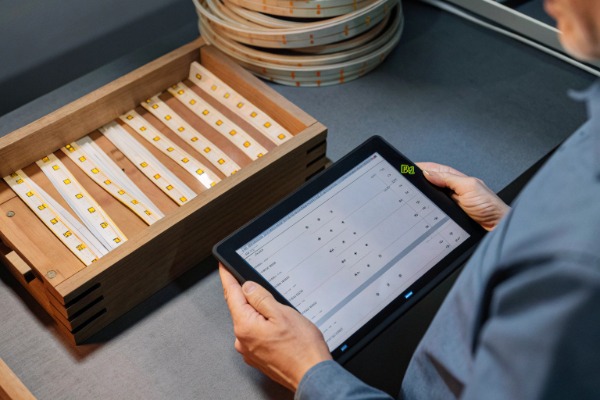
Реальное сравнение стоимости
Команды закупок ориентируются на цену за единицу. Вам нужно изменить подход к разговору. Вот сравнение, которое мы часто делимся с нашими партнерами по дистрибуции:
| Коэффициент стоимости | Стандарт 60 светодиодов/м | Высокая плотность 120 светодиодов/м | Высокая плотность 240 светодиодов/м |
|---|---|---|---|
| Стоимость ленты за метр | 1ТП4Т3–5 | $6–10 | $12–20 |
| Размер блока питания | Стандарт | Больше | Значительно больше |
| Алюминиевый профиль | Дополнительно | Обязательны | Требуется (шире) |
| Годовые затраты на энергию (за 10м, 8ч/день) | ~$14 | ~$28 | ~$48 |
| Риск обратного вызова/переделки | Более высокий (выявление) | Низкий | Очень низкий |
| Удовлетворенность клиента | Подходит для скрытых | Высокий | Премиум |
Обрамляйте риск
Стоимость обратных вызовов — деньги. Если подрядчик устанавливает 200 метров стандартной плотности ленты в видимых профилях и клиент жалуется на точечное освещение, стоимость переделки превышает разницу в цене. Мы видели это на коммерческих проектах, когда дизайнер указал “LED-ленту” без указания плотности, а подрядчик выбрал самый дешевый вариант.
Используйте Люмены на доллар
Ленты высокой плотности дают примерно вдвое больше люменов на метр. Если разделить стоимость на выход люменов, разница в цене сокращается. Для приложений, где важна яркость, таких как торговые витрины или рабочее освещение, высокая плотность действительно обеспечивает лучшую ценность за люмен.
Аргумент о сроке службы
При правильном тепловое управление 7, ленты высокой плотности служат от 30 000 до 50 000 часов. Для коммерческого проекта на 10 лет, работающего по 10 часов в день, это 36 500 часов. Качественная лента высокой плотности может выдержать весь жизненный цикл проекта без замены. Дешевые стандартные ленты с плохим тепловым дизайном могут потребовать замены на 5 или 6 год.
Создайте одностраничный бизнес-кейс
Мы помогаем нашим партнерам создавать простые одностраничные сравнения затрат для их закупочных команд. В него входит стоимость ленты, стоимость блока питания, стоимость профиля, затраты энергии за 5 лет и оценка риска обратного вызова. Когда все пять колонок видны, высокая плотность выигрывает в большинстве сценариев видимых установок.
Какую конкретную плотность LED мне следует указать, чтобы обеспечить идеально равномерное освещение через выбранные алюминиевые профили?
На нашем заводе мы тестируем каждую новую комбинацию ленты и профиля перед рекомендацией клиентам. Соответствие между плотностью светодиодов и геометрией профиля — самый важный фактор для достижения бесшовного свечения.
Для неглубоких профилей (меньше 12 мм) указывайте 240–480 светодиодов/м. Для средних профилей (12–20 мм) 120–160 светодиодов/м обеспечивают отличную однородность. Для глубоких профилей (более 20 мм) достаточно 60–90 светодиодов/м. Всегда подтверждайте с помощью физического образца в вашем точном профиле перед заказом полной партии.
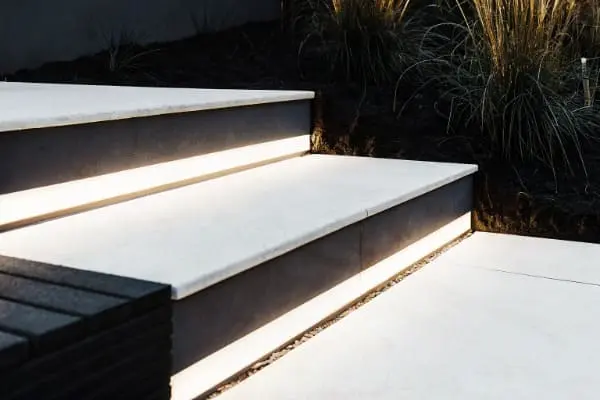
Почему глубина профиля — решающий фактор
Дифузор внутри алюминиевого профиля нуждается в расстоянии для смешивания света от отдельных светодиодов. Представьте его как душевую насадку: держите её близко к руке — чувствуете отдельные струи. Держите её далеко — вода ощущается как лист. Та же физика, другой среда.
Соответствие плотности и профиля
Вот руководство по спецификациям, которое мы предоставляем нашим партнерам по архитектурному освещению:
| Тип профиля | Внутренняя глубина до диффузора | Рекомендуемая плотность светодиодов | Примечания |
|---|---|---|---|
| Тонкая поверхность-монтируемая | 7–10 мм | 240–480 светодиодов/м | Обязательно использовать матовый диффузор |
| Встроенный стандартный | 12–18 мм | 120–160 светодиодов/м | Матовый или Frosted диффузор |
| Глубоко встроенный | 20–30мм | 60–120 светодиодов/м | Прозрачный или молочный диффузор подходят оба |
| Угловой/под 45° профиль | 10–15 мм | 120–240 светодиодов/м | Угол влияет на смешивание |
| Подвесной/подвешенный | 15–25 мм | 90–160 светодиодов/м | Видно снизу; тестируйте обе стороны |
Тип диффузора важен
Молочный (опаловый) диффузор распространяет свет более агрессивно, чем прозрачный или матовый. С молочным диффузором иногда можно снизить уровень плотности на один шаг. Но молочные диффузоры также уменьшают общую световую отдачу на 20–40%. Поэтому есть компромисс: лучшее смешивание против меньшей яркости.
Всегда запрашивайте образцы
Ни один технический паспорт не заменит реальный образец. Мы регулярно отправляем образцы полосок длиной 300 мм, предварительно закрепленные в алюминиевых профилях, чтобы наши клиенты могли увидеть результат перед заказом 500 метров. Если ваш поставщик не может предоставить образец, закрепленный в профиле, — это тревожный знак.
Ленты COB как альтернатива
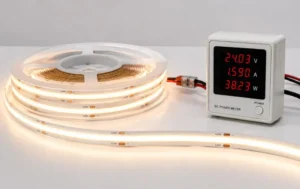
Светодиодные ленты Chip-on-board (COB) используют крошечные светодиоды, упакованные под слоем фосфора. COB LED лентами 8 Они создают полностью безточечную линию света даже при близком расстоянии до диффузора. Если вам нужен бесшовный свет в ультратонких профилях и бюджет позволяет, стоит рассмотреть COB. Мы производим COB-ленты с 320 и 528 светодиодами/м, которые хорошо сочетаются с профилями толщиной всего 6 мм.
Падение напряжения на длинных линиях
Более высокая плотность означает больший ток. На линиях длиной более 5 метров напряжение падает к концу, вызывая затемнение и изменение цвета. Указывайте ленту с более высоким номиналом напряжения (24V или 48V) для длинных линий и по возможности подавайте питание с обоих концов. Это особенно важно для лент с более чем 240 светодиодами/м, которые потребляют значительный ток.
Заключение
Более высокая плотность светодиодов обеспечивает лучшую однородность, но правильная плотность зависит от вашего профиля, тепловой системы и бюджета. Подберите ленту под приложение, проведите тестирование перед покупкой, и вы получите результат, выглядящий премиально, без лишних затрат.
Примечания
- Излагает основные принципы и соображения для эффективного архитектурного освещения. ↩︎
- Подробно описывает, как алюминиевые профили улучшают теплоотвод, диффузию света и защищают светодиодные ленты. ↩︎
- Объясняет роль эллипсов МакАдама в обеспечении цветовой согласованности светодиодов и восприятия качества. ↩︎
- Определяет снижение светового потока в люменах и его влияние на срок службы светодиодов и световой поток со временем. ↩︎
- Объясняет падение напряжения в светодиодных системах, его причины и методы расчета и снижения. ↩︎
- Объясняет, как общая стоимость владения учитывает покупку, энергию, обслуживание и утилизацию светодиодных систем. ↩︎
- Предоставляет всесторонний обзор теплового менеджмента в светодиодах от авторитетного источника. ↩︎
- Описание технологии COB светодиодных лент, их преимущества для бесшовного освещения и применения. ↩︎

 English
 Spanish
 German
 Russian
 Arabic
 French
 Portuguese