
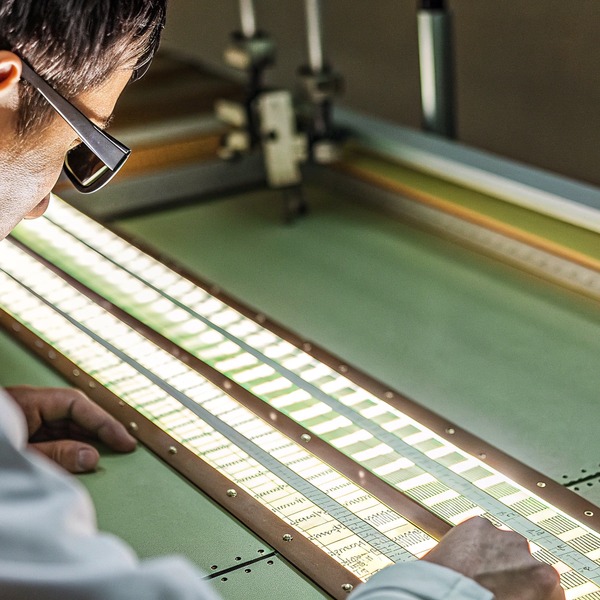
Когда наша инженерная команда рассматривает жалобы на месте от подрядчиков по всему миру, самая распространенная проблема всегда одна и та же: неравномерная яркость по длинным участкам светодиодных лент ИК-микросхемы регулировки тока 1. Падение напряжения 2 обычно считаются подозреваемыми, но настоящая причина часто заключается в отсутствии правильной регулировки тока. Когда ток колеблется даже немного, светодиоды на дальнем конце тускнеют, цвета смещаются, а срок службы резко сокращается. Это тихая проблема, которая портит дорогие проекты и разрушает доверие между поставщиками и покупателями.
Технология управления постоянным током работает за счет поддержания фиксированного электрического тока для каждого светодиода на ленте, автоматически регулируя напряжение в реальном времени для компенсации колебаний в электроснабжении, температуре или старении светодиодов. Это обеспечивает получение каждым светодиодом точного тока, необходимого для стабильной яркости, однородного цвета и максимальной долговечности.
В этой статье я подробно расскажу, как технология постоянного тока решает реальные проблемы при установке светодиодных лент. Будь вы дизайнер освещения, дистрибьютор или подрядчик, закупающий ленты для крупного проекта, вы найдете практические детали, которые помогут вам принимать лучшие решения. Давайте начнем.
Как технология постоянного тока предотвращает снижение яркости в моих долговременных установках светодиодов?
На нашем производственном участке мы ежедневно тестируем светодиодные ленты длиной 5 и 10 метров одновременно. Разница в яркости между первым и последним светодиодом на ленте с постоянным напряжением ошеломляет — иногда 15% или больше. Это проблема падения напряжения, и она является самой большой головной болью для подрядчиков, выполняющих длинные установки.
Технология постоянного тока предотвращает снижение яркости за счет внедрения специальных управляющих IC-ми в каждый сегмент LED-ленты. Эти IC-компенсируют падение напряжения по длине, обеспечивая одинаковый ток и одинаковую яркость каждого сегмента от начала до конца.
Почему падение напряжения вызывает снижение яркости
Светодиодные ленты — это длинные тонкие проводники. По мере прохождения электричества по медным дорожкам сопротивление вызывает падение напряжения. Светодиоды на дальнем конце получают меньше напряжения, а значит через них протекает меньший ток. Меньший ток означает более тусклый свет. На стандартной ленте с постоянным напряжением 24 В можно потерять 1–2 вольта за 5 метров. Это кажется небольшим, но светодиоды очень чувствительны к изменениям тока. Изменение напряжения на 3% может привести к колебанию тока до 50%. В результате это заметно: конец ленты выглядит заметно тусклее, чем начало.
Как решают это ИК-микросхемы постоянного тока
Светодиодные ленты с постоянным током оснащаются крошечной ИК-микросхемой регулировки тока на каждом сегменте, который можно обрезать. Каждая микросхема действует как локальный регулятор. Она контролирует ток, протекающий через группу светодиодов, и регулирует внутреннее сопротивление для поддержания целевого тока — независимо от входного напряжения. Если напряжение немного падает на дальнем конце 10-метровой ленты, микросхема компенсирует это. Если происходит небольшой скачок на входе питания, микросхема его поглощает. В результате достигается равномерная яркость по всей длине.
Реальное сравнение: ленты с постоянным напряжением и с постоянным током на расстоянии
| Параметр | Лента с постоянным напряжением (CV) | Лента с постоянным током (CC) |
|---|---|---|
| Яркость на 0 м | 100% | 100% |
| Яркость на 5 м | 90–95% | 99–100% |
| Яркость на 10 м | 80–85% | 98–100% |
| Максимальная рекомендуемая длина одного участка | 5 м (типично) | 10–20 м (в зависимости от конструкции) |
| Компенсация падения напряжения | Нет (пассивный) | Активное регулирование IC для каждого сегмента |
Именно поэтому мы всегда рекомендуем ленты с постоянным током для проектов длиной более 5 метров. Наши клиенты в России часто устанавливают подсветку ниши, фасадные акценты и дорожное освещение длиной 10, 15 или даже 20 метров. При использовании лент с постоянным напряжением им пришлось бы подавать питание в нескольких точках по длине — что увеличивает стоимость, усложняет монтаж и увеличивает вероятность отказов. Ленты с постоянным током в большинстве случаев обеспечивают питание всей длины от одного источника.
Примечание о "поддельном" постоянном токе
Вот что стоит упомянуть из личного опыта. Многие недорогие ленты на рынке заявляют о "постоянном токе", но используют только простое ограничение тока с помощью резистора. Это не настоящее регулирование постоянного тока. Настоящий IC с постоянным током использует активную обратную связь. Он измеряет фактический ток и динамически его регулирует. Простая резисторная схема ничего не делает при изменении напряжения или температуры. Мы тестировали образцы конкурентов, которые теряют яркость на 10% всего за 3 метра, несмотря на маркировку "постоянный ток". Всегда запрашивайте у поставщика технические характеристики IC и тестовые данные.
Почему я должен выбирать ленты с постоянным током вместо постоянного напряжения для своих высококлассных проектов?
Когда мы обсуждаем с дизайнерами освещения из архитектурных фирм, разговор всегда сводится к одному: производительность, соответствующая цене. Проекты высокого класса требуют нулевых видимых изменений яркости, отсутствия мерцания и надежной работы на протяжении многих лет. Именно в этих областях ленты с постоянным напряжением испытывают трудности — и где ленты с постоянным током показывают преимущества.
Вы должны указывать полосы с постоянным током для высококлассных проектов, потому что они обеспечивают превосходную равномерность яркости, устраняют мерцание, вызванное колебаниями напряжения, поддерживают более длинные непрерывные участки и значительно снижают расходы на обслуживание, защищая светодиоды от повреждений из-за превышения тока и преждевременного выхода из строя.
Основные ограничения постоянного напряжения в премиальных условиях
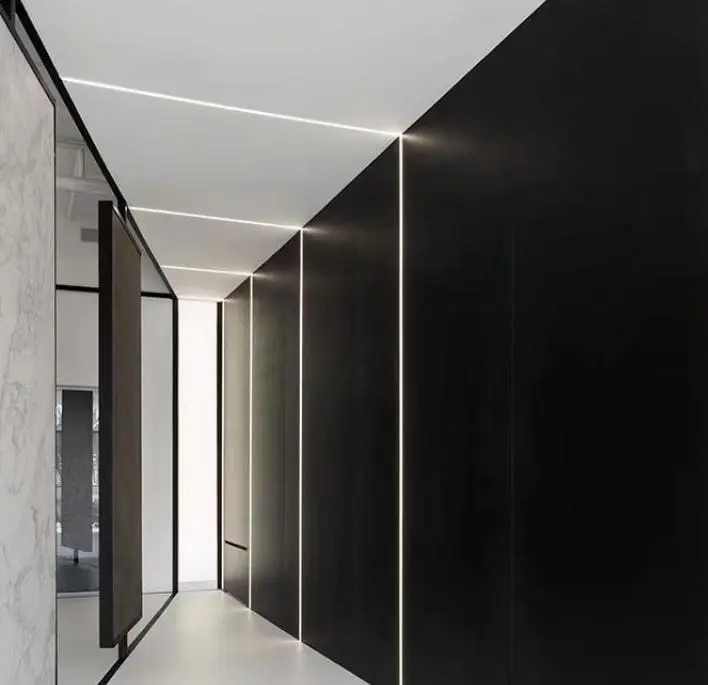
Ленты с постоянным напряжением предназначены для простоты. Они хорошо работают в коротких жилых линиях, где небольшие различия яркости незаметны. Но в коммерческих лобби, выставочных залах, коридорах отелей или розничных магазинах даже несоответствие яркости в 5% недопустимо. Ленты с постоянным напряжением также плохо реагируют на колебания питания. Если выход драйвера сдвинется даже на небольшой процент, ток через светодиоды изменится значительно. В зданиях с переменной нагрузкой — например, при циклах работы HVAC — это вызывает заметное мерцание.
Когда постоянный ток оправдывает стоимость
Да, ленты с постоянным током стоят дороже. Встроенные IC увеличивают стоимость материалов и усложняют производство. Но общая стоимость проекта зачастую оказывается выгоднее при использовании постоянного тока. Вот почему:
| Коэффициент стоимости | Подход с постоянным напряжением | Подход с постоянным током |
|---|---|---|
| Стоимость единицы ленты | Ниже | 10–25% выше |
| Требуются точки подачи питания | Каждые 5 м | Часто отсутствуют для участков до 15–20 м |
| Работа по установке | Выше (больше проводки) | Ниже (упрощённая проводка) |
| Обслуживание за 5 лет | Выше (ранние отказы светодиодов) | Ниже (защищённые светодиоды служат дольше) |
| Жалобы на качество визуального восприятия | Чаще | Редко |
| Общая стоимость владения | Часто выше | Часто ниже |
Для наших российских дистрибьюторов этот аргумент общей стоимости владения является решающим. Подрядчики не хотят возвращаться на объект для замены вышедших из строя лент или ремонта тусклых участков. Задание постоянного тока с самого начала полностью исключает такие повторные вызовы.
Особенности диммирования
Одна вещь, которую нужно учесть: ленты с постоянным током обычно требуют ШИМ-диммирования 3, не стандартные TRIAC или MLV диммеры. Это важно для спецификации проекта. Если ваш проект использует систему управления DALI или 0-10В 4, вам потребуется совместимый драйвер PWM. Наша команда предоставляет руководства по совместимости диммирования с каждым заказом, чтобы помочь спецификаторам избежать несоответствий. Это небольшая деталь, которая предотвращает большие головные боли на месте установки.
Подбор правильной технологии под приложение
Не каждый проект требует постоянного тока. Простое подсветка под шкафами на кухне? Постоянное напряжение подходит. Но для подсветки ниши в пятизвездочном отеле, фасадного освещения длиной 40 метров или музея с строгими требованиями к точности цвета, профессиональный выбор — постоянный ток. Если в техническом задании проекта указано стабильное визуальное восприятие и долгий срок службы, постоянный ток — не роскошь, а необходимость.
Как интегрированные постоянные токовые ИК обеспечивают однородность цвета во всей моей системе освещения?
Во время контроля качества мы сортируем LED по цветовой согласованности еще до их попадания на сборочную линию. Но даже при тщательной сортировке существуют небольшие различия в характеристиках отдельных LED. Эти различия становятся заметными, когда ток не контролируется точно — особенно в установках с регулировкой белого или RGBW, где точность цвета — всё.
Интегрированные постоянные токовые ИК обеспечивают однородность цвета, подавая точно такой же ток на каждый сегмент светодиода по всей ленте. Поскольку цветовой выход светодиода напрямую связан с током, протекающим через него, фиксированный ток исключает изменение цвета, вызванное колебаниями напряжения, изменениями температуры или незначительными производственными различиями между отдельными светодиодами.
Почему ток влияет на цвет
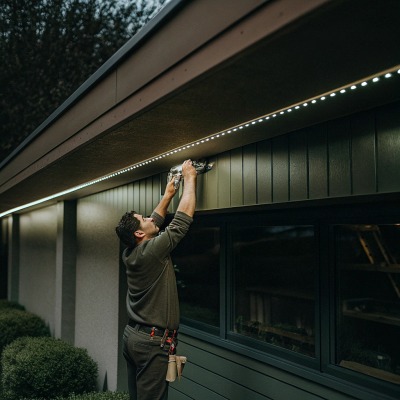
Это вопрос физики. длина волны излучения 5 немного смещается при изменениях в прямом токе. Увеличьте ток — и цветовая температура может сместиться теплее или холоднее в зависимости от химии фосфора. Уменьшите ток — и она сместится в другую сторону. В однокрасочной белой ленте это проявляется как небольшая синеватость одних участков и желтоватость других. В RGB лентах это проявляется как несогласованность цвета — один участок потолочной ниши может выглядеть розовым, а другой — пурпурным. Постоянный ток исключает эту переменную.
Управление на уровне сегмента: децентрализованный подход
Самые эффективные ленты с постоянным током используют децентрализованную архитектуру IC. Вместо одного драйвера, пытающегося регулировать ток всей ленты, каждый сегмент, который можно обрезать, имеет свой собственный IC. Например, 10-метровая лента может содержать 60 и более независимых IC с постоянным током, каждый управляет небольшой группой из 3–6 LED. Такой подход на уровне сегмента означает, что даже если один участок ленты испытывает немного другую напряженность — из-за пайки, изгиба или локального нагрева — IC этого сегмента компенсирует независимо.
Последовательность между партиями
Для дистрибьюторов и подрядчиков, заказывающих LED ленты в нескольких партиях в течение проекта, важна цветовая согласованность между партиями. Мы решаем эту задачу, сочетая точную сортировку LED с управлением постоянным током. Сортировка определяет исходную точку — исходный цвет LED. IC с постоянным током управляет рабочей точкой — точным током, при котором работает LED. Вместе они минимизируют видимые различия между лентами, произведенными за недели или месяцы.
| Фактор | Без постоянного тока | С IC с постоянным током |
|---|---|---|
| Вариация цветовой температуры | ±200–300К в течение работы | ±50–100К в течение работы |
| Цветовое соответствие между партиями | Возможны заметные различия | Минимальное видимое отличие |
| Точность цветопередачи RGB | Сдвиги при изменении напряжения | Стабильно независимо от напряжения |
| Чувствительность к температуре | Высокий | Низкий (IC компенсирует) |
Реальное влияние проекта
Один из наших долгосрочных клиентов в России реализует крупные проекты по реконструкции гостиниц. У них возникала повторяющаяся проблема: световые ленты LED, установленные в одном и том же коридоре отеля, приобретённые из одной партии, показывали заметные цветовые полосы через несколько месяцев. Причиной были неравномерные тепловые условия — участки возле вентиляционных отверстий HVAC были холоднее, что сдвигало цвет LED. После перехода на наши ленты с постоянным током проблема исчезла. IC поддерживали одинаковый ток в каждом сегменте независимо от локальных температурных различий. Такой реальный показатель работы вызывает доверие и способствует повторным заказам.
Какое влияние оказывает управление постоянным током на долгосрочную надежность и срок службы моих светодиодных лент?
Наша команда по гарантии отслеживает каждую полевую неисправность. После многолетних данных становится ясно: световые ленты LED без правильной регулировки тока выходят из строя раньше и выходят из строя предсказуемо — тепловое разрушение, разрушение фосфора и внезапный выход из строя. Управление постоянным током напрямую устраняет коренные причины каждого из этих режимов отказа.
Постоянное токовое управление значительно увеличивает срок службы и надежность светодиодных лент, предотвращая перегрузки по току, которые вызывают перегрев, деградацию фосфора и тепловой проброс. Правильно регулируемые светодиодные ленты могут достигать в 20-30 раз более длительного рабочего ресурса по сравнению с плохо управляемыми аналогами, сохраняя стабильную яркость на протяжении всего срока службы.
Физика отказа LED
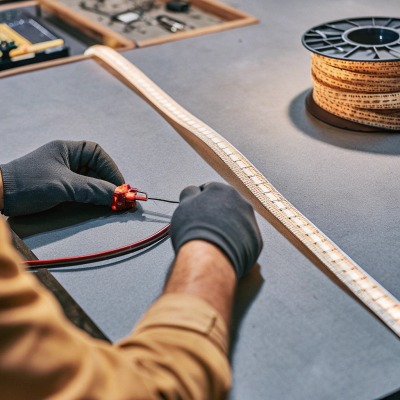
LED не перегорают, как лампочки накаливания. Они деградируют. Со временем световая отдача постепенно уменьшается, и цвет смещается. Основным фактором этого разрушения является тепло. Когда через LED протекает слишком большой ток, он генерирует избыточное тепло в переходе. Это тепло ускоряет разрушение фосфора в белых LED и повреждает полупроводниковый материал. Процесс экспоненциальный: небольшое увеличение тока вызывает непропорционально большое повышение температуры перехода, что ускоряет старение, меняет электрические свойства LED, что может привести к еще большему току. Это термический пробег 7, и это является основной причиной выхода из строя светодиодов.
Как постоянный ток предотвращает термический пробег
Микросхема с постоянным током устанавливает жесткий лимит на ток, протекающий через каждый сегмент светодиода. Независимо от того, что происходит с напряжением питания или окружающей температурой, ток не может превысить установленное значение. Это предотвращает положительную обратную связь, которая приводит к термическому пробегу. Даже по мере старения светодиода и небольшого снижения его прямого напряжения, микросхема регулирует ток, чтобы сохранить его стабильным. Светодиод работает в пределах своей безопасной рабочей области на протяжении всего срока службы.
Квантование преимущества по сроку службы
Промышленные испытания показывают, что светодиоды, работающие при номинальном токе в контролируемой тепловой среде, могут достигать 50 000 — 100 000 часов полезной работы. Но светодиоды, управляемые даже на 10–15% выше их номинального тока, могут сократить срок службы вдвое или больше. В системе с постоянным напряжением без правильной регулировки тока скачки напряжения или увеличение окружающей температуры могут легко повысить ток на 10–20% выше номинальных значений — иногда больше.
Надежность в суровых условиях
Для уличных и IP-защищенных установок — распространенных в российских ландшафтных проектах и архитектурных фасадах — надежность критична. Колебания температуры, проникновение влаги и длинные кабельные линии создают условия, при которых напряжение колеблется. Микросхемы с постоянным током обеспечивают уровень защиты, который сохраняет безопасность светодиодов независимо от условий окружающей среды. Наши IP67-защищенные светодиодные ленты с постоянным током 8 работали без сбоев в условиях крыши, подвергающейся температурам от -10°C до 55°C.
Влияние на обслуживание и гарантию
С точки зрения бизнеса, более длительный срок службы означает меньше гарантийных претензий, меньше выездов на объект и более довольных конечных клиентов. Для дистрибьюторов, реализующих продукцию под собственной торговой маркой, надежность продукта напрямую связана с репутацией бренда. Мы видели, как дистрибьюторы переходили с лент с постоянным напряжением на ленты с постоянным током именно потому, что снижение числа отказов на объекте оправдывало более высокую цену за единицу в рамках одного цикла проекта.
Что говорят цифры
Вот краткое изложение того, как управление с постоянным током влияет на ключевые показатели надежности:
- Температура перехода светодиода: снижена на 10–20°C по сравнению с неконтролируемыми лентами при тех же условиях
- Сохранение яркости 9 на 25 000 часов: обычно выше 90% (L90) для хорошо спроектированных лент с постоянным током
- Уровень отказов на объекте: наши ленты с постоянным током показывают менее 0,31% отказов в первые 3 года
- Улучшение срока службы: в 20–30 раз по сравнению с плохо регулируемыми бюджетными лентами
Надежность — это не только то, насколько ярка лента в первый день. Это то, насколько ярка она на 1000-й и 10 000-й день. Технология с постоянным током — самый эффективный способ обеспечить стабильность работы со временем.
Заключение
Технология управления постоянным током 10 является основой надежного и высокопроизводительного освещения светодиодными лентами. Она решает проблему снижения яркости, обеспечивает однородность цвета, увеличивает срок службы и снижает общие затраты на проект. Для любого серьезного проекта освещения выбор настоящих лент с постоянным током — решение, о котором не пожалеете.
Примечания
- Объясняет, как IC драйверов светодиодов регулируют ток для поддержания постоянной яркости светодиодов. ↩︎
- Википедия предоставляет авторитетное и всестороннее объяснение падения напряжения в электрических цепях. ↩︎
- Объясняет, как диммирование с помощью ШИМ регулирует яркость светодиодов за счет быстрого включения и выключения тока. ↩︎
- Определяет DALI как двухсторонний протокол связи для систем цифрового управления освещением. ↩︎
- Эта связанная статья дает всесторонний обзор длины волны светодиодов, цветов излучения и практических применений. ↩︎
- Объясняет согласованность цвета как отсутствие вариаций в цвете между источниками света и светильниками. ↩︎
- Определяет тепловой пробег как самопроизвольное повышение температуры в светодиодах из-за протекания тока. ↩︎
- Объясняет рейтинг IP67 для защиты от пыли и временного погружения в воду. ↩︎
- Википедия предоставляет авторитетное определение и объяснение сохранения люменов в освещении. ↩︎
- Объясняет, как IC драйверов светодиодов регулируют питание для светодиодов, включая драйверы с постоянным током. ↩︎


 English
 Spanish
 German
 Russian
 Arabic
 French
 Portuguese