

Наша команда обрабатывает десятки оптовых заказов на светодиодные ленты, и сбои, которые мы наблюдаем, почти всегда связаны с упущенными характеристиками при закупке.
Ключевыми метриками при покупке оптовых светодиодных лент являются люмены на ватт, плотность светодиодов, отклонение цветовой температуры, CRI, степень защиты IP, совместимость по напряжению и сертифицированное соответствие. Оценка этих параметров вместе с постоянством контроля качества поставщика и общей стоимостью владения помогает избежать дорогостоящих сбоев проекта и обеспечивает долгосрочную надежность работы.
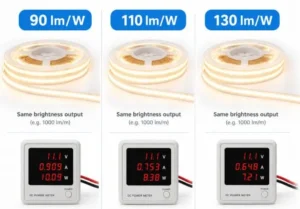
Ниже я разбираю каждый фактор, который превращает гладкую установку в кошмар с повторными вызовами. люмены на ватт 1 Давайте пошагово рассмотрим согласованность цвета, предотвращение падения напряжения, требования к сертификации и оценку поставщика.
Как я могу обеспечить идеальную цветовую согласованность во всей моей оптовой партии?
Мы регулярно отправляем контейнеры с светодиодными лентами в Россию и Германию, и главная жалоба, которую мы помогаем покупателям избежать, — это видимый несоответствие цвета между катушками, установленными рядом друг с другом.
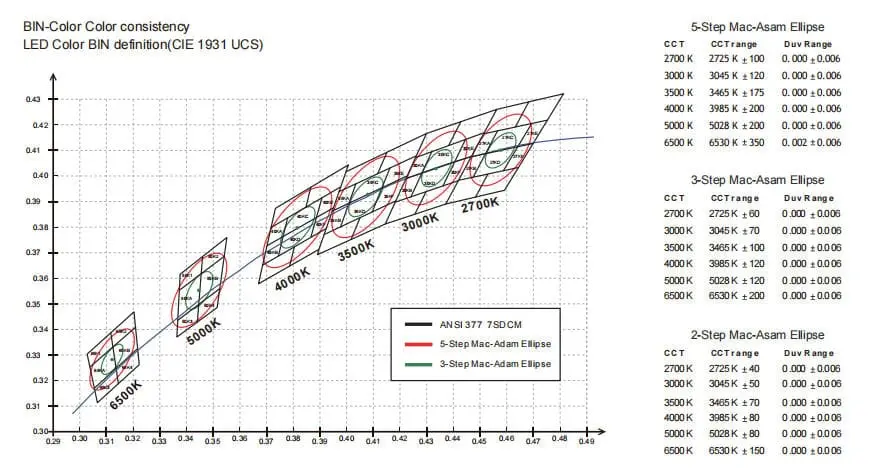
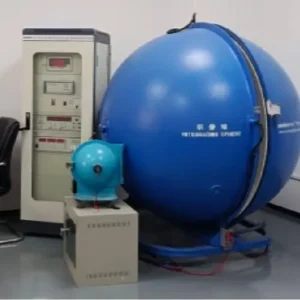
Чтобы обеспечить согласованность цвета при оптовых заказах, требуйте строгую сортировку светодиодов (±200K отклонение цветовой температуры или меньше), запрашивайте гарантии одинаковой партии из одного бина у вашего поставщика и всегда тестируйте образцы катушек из реальной производственной партии перед утверждением полной отгрузки. Отчеты спектральных характеристик сторонних лабораторий добавляют еще один уровень проверки.
Что такое светодиодный бининг и почему это важно?
Светодиодные чипы выходят с производственных линий с небольшими вариациями по цветовой температуре и яркости. Производители сортируют их по "бинам" — группам чипов с похожими характеристиками. Свободная сортировка означает более широкие вариации. Строгая сортировка стоит дороже, но обеспечивает однородный свет.
Для оптовых покупателей это не опция. Представьте, что вы устанавливаете 200 метров световой ленты по всему потолку магазина. Если катушки идут из разных бинов, вы получите заметные теплые и холодные пятна. Это замечают клиенты. Подрядчики получают повторные вызовы. Проекты не проходят инспекцию.
Критерии отклонения цветовой температуры
| Класс | Отклонение CCT | Типовое использование |
|---|---|---|
| Коммерческий стандарт | ±300K | Бюджетное акцентное освещение |
| Инженерный класс | ±200K | Розничная торговля, гостиницы |
| Премиум / архитектурный | ±100К | Музеи, элитные жилые комплексы |
Наш совет для любой проектной установки: настаивайте на ±200K или точнее. Попросите у вашего поставщика конкретный Эллипса МакАдама 2 шаг, который он гарантирует — 3-шаговая SDCM является надежным ориентиром для профессиональной работы.
Последовательность CRI тоже важна
Индекс цветопередачи 3 показывает, насколько точно свет передает истинные цвета. Для оптовых заказов убедитесь, что CRI остается стабильным на всей длине катушки, а не только внутри одной катушки.
| Уровень CRI | Соответствие применению |
|---|---|
| Ra ≥ 80 | Общая коммерческая |
| Ra ≥ 90 | Розничные дисплеи, продукты питания, искусство |
| Ra ≥ 95 | Музеи, фотостудии |
Практические шаги для обеспечения стабильности
- Запросите обязательство по одной партии в вашем заказе.
- Получите образцы до производства из фактической партии чипов.
- Требуйте отчеты о спектральных тестах сторонних лабораторий по каждой партии.
- Определите критерии приемки письменно перед началом производства.
- Проверка при прибытии—используйте ручной спектрометр на случайных катушках.
Одна вещь, которую я всегда говорю нашим партнерам: последовательность — это не о одной идеальной катушке. Это о том, чтобы каждая катушка соответствовала каждой другой. Для этого нужен контроль процесса на уровне фабрики, а не удача.
Какие технические характеристики мне следует проверить, чтобы предотвратить падение напряжения в моих длинных установках?
Когда мы разрабатываем решения для длинных полос для подрядчиков, падения напряжения 5 является самой распространенной технической проблемой, которая недооценивается на этапе оценки стоимости.
Чтобы предотвратить падение напряжения, проверьте рабочее напряжение полосы (24В или 48В для длинных линий), проверьте массу меди на плате (обычно 2oz или 3oz), подтвердите максимальную рекомендуемую длину по техническому описанию производителя и планируйте точки подачи питания соответственно. Более толстая медь и более высокое напряжение значительно уменьшают затухание яркости на расстоянии.
Почему происходит падение напряжения
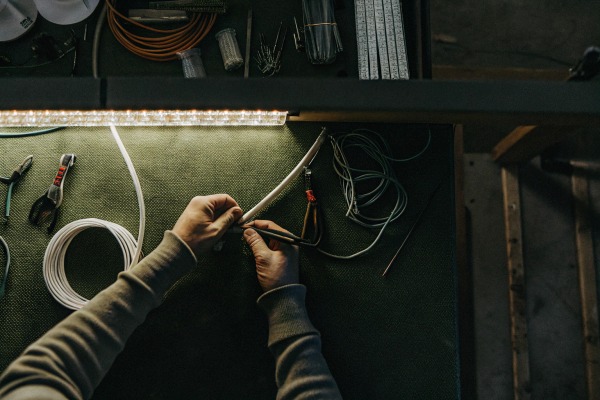
Светодиодные полосы — это резистивные нагрузки. По мере прохождения тока по медным дорожкам на плате, напряжение уменьшается с расстоянием. Светодиоды на дальнем конце получают меньше напряжения. масса меди 6 Они тускнеют. Цветовые сдвиги. Установка выглядит неравномерной.
Это физика, а не дефект. Но это можно предотвратить, используя правильные технические характеристики.
Сравнение напряжения и массы меди на плате
| Технические характеристики | 12В / 1oz меди | 24В / 2oz меди | Медь 48V / 3oz |
|---|---|---|---|
| Максимальная однократная длина | 3–5 метров | 7–10 метров | 15–20 метров |
| Падение напряжения при максимальной длине | 10–15% | 5–8% | 3–5% |
| Лучшее для | Короткие акцентные линии | Большинство коммерческих проектов | Длинные коридоры, бухты |
| Стоимость | Самая низкая | Средний | Выше |
Ключевые характеристики для запроса у поставщика
- Рабочее напряжение: 24V DC — оптимальный режим для большинства коммерческих работ. 48V набирает популярность для длинных линий.
- Масса меди: Минимум 2oz для расстояний свыше 5 метров. 3oz для линий длиной более 10 метров.
- Максимальная длина линии: Это должно быть ясно указано в техническом описании. Если нет, уточняйте.
- Руководство по подаче питания: Хорошие поставщики предоставляют схемы, показывающие, где подавать питание на длинных линиях.
Мощность и подбор блока питания
Всегда рассчитывайте общую мощность перед выбором блока питания. Распространенная ошибка — подбирать блок питания точно по номинальной мощности полосы. Добавляйте запас 20%.
Например: лента мощностью 14,4Вт/м длиной 10 метров = 144Вт. Ваш блок питания должен быть не менее 175Вт. Это увеличит срок службы блока питания и предотвратит перегрев.
Фактор COB
Ленты COB (chip-on-board) стали популярными благодаря своему бесшовному, безточечному световому потоку. Но более высокая плотность светодиодов означает больший ток на метр. Это ухудшает падение напряжения, если не учитывать это. При выборе COB-лент для длинных участков всегда переходите на 24В или 48В и используйте более толстую медную плату PCB.
Наша инженерная команда всегда предоставляет калькуляторы длины прилагаемых к нашим даташитам. Если у вашего поставщика их нет, это тревожный знак.
Какие сертификаты мне нужно проверить, чтобы соответствовать требованиям тендерных проектов в России?
Мы видели задержки заказов на таможне и отклонения заявок в последний момент — всё потому, что покупатель предположил, что сертификаты являются "стандартными", не проверив документы. CE и RoHS 7
Для участия в проектных торгах убедитесь, что светодиодные ленты имеют региональные сертификаты: CE и RoHS для европейских рынков, SAA или RCM для Австралии, UL или ETL для Северной Америки и FCC для электромагнитной совместимости. Всегда запрашивайте оригинальные сертификаты с совпадающими номерами моделей и подтверждайте, что рейтинги IP соответствуют условиям установки.

Требования к сертификации по регионам
Разные рынки требуют различных маркировок. Вот краткое руководство:
| Рынок | Требуемые сертификаты | Примечания |
|---|---|---|
| Евросоюз / Германия | CE, RoHS, REACH | RoHS обязательна; REACH для химической соответствия |
| Австралия | RCM (ранее SAA + C-Tick) | Электробезопасность + электромагнитная совместимость (EMC) в совокупности |
| Европа | UL / ETL, FCC | Предпочтительно наличие UL для коммерческих заявок |
| UK | UKCA, RoHS | Замена CE после Brexit |
| Ближний Восток | SASO, EER | Этикетки энергоэффективности все чаще требуются |
Выше маркировки: Проверьте документацию
Наличие маркировки CE на продукте ничего не значит, если вы не можете предоставить Декларацию соответствия и подтверждающие отчёты о тестировании во время рассмотрения заявки. Вот что нужно запросить:
- Оригинальные отчёты о тестировании от аккредитованных лабораторий (ISO 17025).
- Сертификат соответствия с указанием вашей точной модели — не общий сертификат для всей серии.
- Отчёт о тестировании IP-рейтинга если в спецификации указано IP65 или выше.
- Документация по коэффициенту мощности— многие коммерческие спецификации теперь требуют PF ≥ 0.9.
IP-рейтинги: соответствие окружающей среде
IP20 подходит для сухих внутренних помещений. IP65 защищает от влаги и пыли. IP67 или IP68 необходимы для уличных наземных или погружных применений. Указание неправильного Рейтинг IP 8 может аннулировать гарантии и привести к отказу при инспекциях.
Распространённая дорогостоящая ошибка
Некоторые покупатели закупают самые дешёвые светильники и планируют "разобраться с сертификатами позже". Такой подход не работает. Модернизация соответствия стоит дорого и иногда невозможна. Мы всегда рекомендуем уточнять требования к сертификации до первого заказа образцов — не после того, как контейнеры уже на воде.
Если в вашем тендерном документе указаны конкретные стандарты, такие как IEC 62031 или EN 61347, сообщите эти ссылки напрямую вашему поставщику. Компетентный поставщик подтвердит соответствие немедленно или своевременно укажет на пробелы.
Как оценить процесс контроля качества поставщика и его способность к кастомизации для моего частного бренда?
За последние несколько лет наша команда привлекла партнеров с частной маркой, которые рассказывали ужасные истории о предыдущих поставщиках — отправляли неправильные цветовые температуры, неправильно печатали этикетки и не несли ответственности после оплаты.
Оценивайте поставщиков, проверяя их процесс контроля качества на четырех этапах: инспекция входящих материалов, проверки в процессе производства, финальное тестирование партии с спектральными и электрическими отчетами, а также проверка упаковки. Для частной марки подтвердите их способность к изготовлению на заказ по длине, брендированной упаковке, прототипированию с низким MOQ и выделенному планированию производства, чтобы избежать перекрестного загрязнения между заказами.
Рамочная система контроля качества из четырех этапов
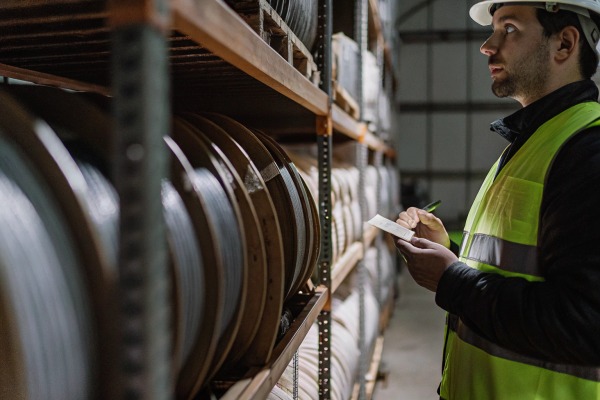
Надежный поставщик не ограничивается тестированием в конце. Контроль качества должен осуществляться на каждом этапе.
Этап 1: Инспекция входящих материалов. Проверьте бункеры с LED-чипами, качество медной платы на PCB, характеристики клеевой ленты и компоненты разъемов, прежде чем они попадут на линию. Здесь начинается последовательность.
Этап 2: Проверки в процессе производства. Во время монтажа SMT и пайки мониторинг в реальном времени выявляет неправильное расположение, холодные соединения и неправильные значения резисторов. Случайная выборка на этом этапе предотвращает сбои всей партии.
Этап 3: Финальное тестирование партии. Каждая катушка должна быть протестирована на напряжение, потребление тока, цветовую температуру, CRI и яркость. Надежный поставщик предоставляет спектральные тестовые данные — не только отметку «пройдено/не пройдено».
Этап 4: Проверка упаковки. Для покупателей с частной маркой этот шаг подтверждает правильность этикеток, штрихкодов, языка и материалов упаковки. Неправильно напечатанная этикетка может задержать всю дистрибуцию.
Что спрашивать при проверке поставщика
- Можете ли вы поделиться своим чек-листом контроля качества и записями инспекций по последнему заказу?
- Есть ли у вас собственное оборудование для спектральных тестов или вы Outsource?
- Каков ваш уровень дефектов за последние 12 месяцев?
- Могу ли я посетить завод или организовать аудит сторонней компании?
- Что происходит, если партия не проходит контроль качества — перерабатываете или списываете?
Чек-лист возможностей кастомизации
Не каждая фабрика может справиться с настоящей работой по частной марке. Вот что нужно проверить:
- Индивидуальные длины: Могут ли они резать и завершать по вашим точным спецификациям?
- Индивидуальный CCT или CRI: Могут ли они по запросу поставлять определённые LED-борды?
- Фирменная упаковка: Есть ли у них собственная печать или они используют сторонние услуги?
- Гибкость минимального заказа (MOQ): Для прототипирования или пробных заказов, могут ли они выполнить заказ на 50–100 метров вместо 500?
- Сроки выполнения индивидуальных заказов: 2–3 недели на образцы, 3–4 недели на производство — разумные сроки.
- Выделенные производственные серии: Ваш заказ с частной маркой не должен делиться производственной серией с заказом другого бренда. Перекрестное загрязнение — неправильные этикетки, неправильные борды — происходит, когда фабрики смешивают заказы.
Общий подход к стоимости владения
Самое дешевое предложение редко является самым выгодным исходом. Учитывайте:
- Доставку и импортные пошлины
- Энергозатраты за срок службы продукта в 30 000–50 000 часов
- Процент заявок по гарантии и затраты на замену
- Стоимость вашего времени на управление вопросами качества
Поставщик, который взимает на 10% больше, но поставляет партии без дефектов с полной документацией, экономит вам деньги в долгосрочной перспективе. Именно вокруг этого принципа строится каждое партнерство — стабильность, последовательность и долгосрочный контроль.
Заключение
Покупка светодиодных лент оптом сводится к контролируемому, повторяемому качеству — не только к одному хорошему образцу. Обращайте внимание на сортировку, характеристики по напряжению, сертификаты и контроль качества поставщика, чтобы защитить каждый проект.
Примечания
- Объясняет эффективность светодиодов, энергоэффективность и их влияние на затраты. ↩︎
- Заменено на Википедию для авторитетного объяснения эллипсов МакАдама и их значения для цветового зрения и согласованности цвета светодиодов. ↩︎
- Определяет индекс цветопередачи (CRI) и его роль в точном отображении истинных цветов при искусственном освещении. ↩︎
- Определяет сортировку светодиодов и ее важность для цветовой согласованности в производстве. ↩︎
- Объясняет причины и последствия падения напряжения при установке светодиодных лент. ↩︎
- Подробно описывает, как вес медной фольги на плате влияет на электропроводность и тепловой менеджмент. ↩︎
- Объясняет цель и требования сертификаций CE и RoHS для продукции в России. ↩︎
- Определяет IP-рейтинги для защиты от проникновения твердых тел и жидкостей. ↩︎

 English
 Spanish
 German
 Russian
 Arabic
 French
 Portuguese