The Impact of Retail Store LED Strip Lighting on Sales and Customer Experience
If you’ve ever walked into a store and instantly felt drawn to a display, chances are the lighting did most of the work. Retail store LED strip lighting isn’t just about brightness—it directly affects how customers shop, what they notice, and how long they stay.
How LED Strip Lighting Boosts Visual Merchandising
LED strips add clean, targeted light that makes merchandising stand out.
They highlight textures, shapes, and colors that typical overhead lighting misses.
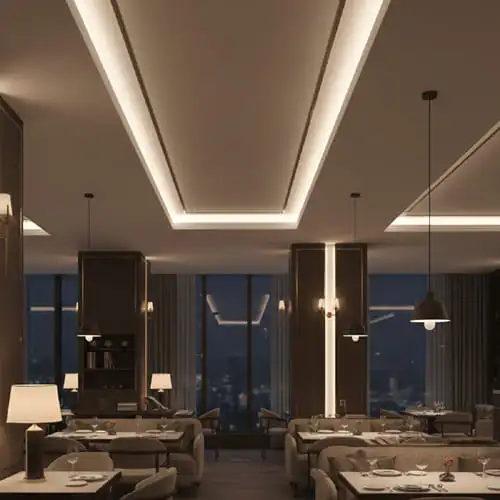
That means products look sharper, shelves look neater, and customers instantly know where to look—exactly what strong visual merchandising is supposed to do.
Why High CRI Lighting Matters
High CRI retail lighting solves a huge problem: inaccurate product colors.
When lighting distorts color, customers hesitate. With LED strips that hit a high CRI rating, fabrics, food items, and cosmetics appear true-to-life, leading to more trust and more conversions.
How Lighting Shapes Mood and Store Atmosphere
Lighting also defines your brand identity.
Warm LEDs create a relaxed, premium vibe. Cooler color temperatures feel modern and bright.
With the right LED strip placement—on shelving, along coves, or around window displays—you can guide the customer’s eye and build an atmosphere that matches your brand’s personality.
Retail store LED strip lighting isn’t just decor—it’s a sales tool that shapes the entire shopping experience.
Key Applications of Retail Store LED Strip Lighting
Retail store LED strip lighting plays a big role in how products look and how customers move through a space. I use LED strips in different parts of a store because they give clean, shadow‑free light and help guide shoppers’ attention without feeling intrusive.
Shelf and Cabinet Lighting for Shadow‑Free Displays
Good shelf and cabinet lighting makes products look sharper and more premium. Under‑shelf strips or COB LED strips give you an even light with no hotspots, which is a must for retail shelf lighting and shop display lighting. I also lean on aluminum LED profiles to keep the strips cool and give a clean, built‑in look. For anyone wanting smoother illumination, the Ultimate COB LED Strip Light Guide helps explain why COB works so well for shop fitting.
Window Display and Entrance Lighting
Your window display and entrance lighting decide whether customers stop or walk past. Bright, uniform storefront window display lighting highlights key pieces and pulls people in. I use high‑CRI retail lighting to make sure colors stay true, especially for apparel, cosmetics, and jewelry.
Cove and Perimeter Lighting to Open Up Space
Cove and perimeter lighting add soft, indirect light that makes the store feel bigger and more open. It’s a simple trick that changes the mood of the entire layout and supports your retail ambiance lighting without overpowering the main product zones.
Accent Lighting for Features and Promotions
Accent lighting puts focus exactly where you want it—featured shelves, new drops, seasonal promotions, or premium displays. It adds contrast and helps guide customers through the store naturally. COB LED strips are great here too because their tight LED spacing avoids spotting and keeps the light beam clean. If you care about perfect color uniformity across accent zones, the COB LED Strip Color Consistency Guide breaks it down in detail.
How to Choose the Right LED Strip Specifications for Retail
Picking the right retail store LED strip lighting comes down to color temperature, brightness, and voltage. These choices directly affect how products look and how shoppers move through the space.
Best Color Temperatures for Different Store Types
Color temperature sets the mood and influences how customers perceive your products.
Color Temperature Guide:
• 3000K: Warm, welcoming light. Best for apparel, home décor, and boutique shops.
• 4000K: Neutral white that fits most general retail environments.
• 6000K: Cool, crisp light ideal for tech stores or modern commercial retail lighting.
Brightness Levels and the 5:1 Lighting Ratio Rule
Brightness shapes how your merchandise stands out.
Brightness Tips:
• Use higher‑output strips for shelves and displays.
• Keep a 5:1 contrast ratio between accent lighting and ambient lighting. This pulls attention to featured items without overpowering the rest of the store.
Why 24V LED Strips Outperform 12V in Retail
For most shop display lighting, 24V LED strip lighting is the smarter pick. It reduces voltage drop, supports longer runs, and delivers more stable brightness across your shelves and walls. If you want to avoid dimming along long shelves or cabinets, check out this guide on avoiding voltage drop with 24V commercial LED strips through my breakdown of 12V vs 24V COB LED strips.
These specs help create cleaner, more consistent lighting throughout the store—key for visual merchandising and accurate product presentation.
Installation Tips for Professional Retail LED Strip Lighting
Getting retail store LED strip lighting installed the right way makes a huge difference in performance and longevity. I always recommend using aluminum channels because they pull heat away from the LEDs, prevent sagging, and give shelves and cabinets a clean, finished look. Pairing channels with COB LED strips (you can see how they differ from SMD options in this guide on COB vs SMD LED strips) delivers a smooth, hotspot‑free glow that works well for commercial retail lighting and shop display shelf lighting.
When it comes to power, hardwired setups are the better long-term choice for most retail environments. They keep wiring hidden, prevent accidental unplugging, and handle longer runs more reliably than basic plug-in adapters. If you’re planning long continuous runs of lighting across multiple fixtures, it’s worth checking out long‑run LED strip solutions that prevent voltage drop over distance.
Smart dimming and lighting controls also play a big role in retail ambiance lighting. Day‑to‑night transitions, scheduled dimming, and zoned lighting help stores shift the mood, highlight key displays, and save energy during slow hours. This kind of control gives retail spaces the flexibility they need without constantly adjusting lights by hand.
Why Custom Retail LED Strip Solutions Matter
Custom retail LED strip lighting makes a big difference in how clean, consistent, and professional a store looks. Off‑the‑shelf strips rarely fit perfectly, and that’s when dark spots and sloppy cut points show up. Custom‑cut LED strips solve this by matching your exact shelf, cabinet, or display dimensions, giving you smooth, even lighting from edge to edge. When I build retail lighting solutions, this is one of the first upgrades I recommend because it instantly improves visual merchandising.
For refrigerated cases, storefront windows, or outdoor areas, IP‑rated waterproof LED strips are a must. They handle moisture, temperature changes, and daily wear without flickering or color shift. Stores use them all the time for produce cases, beverage coolers, and open‑air signage because reliability matters.
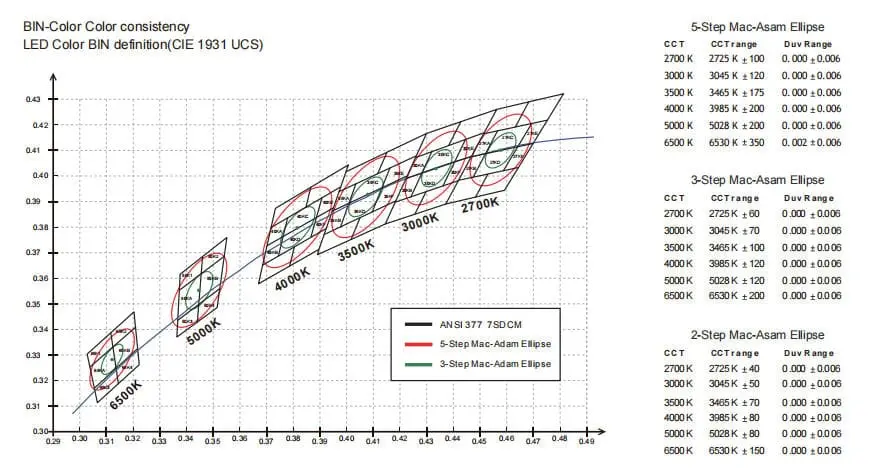
Color consistency is another reason custom LED strip options matter. High‑quality LED binning ensures every strip matches in tone and brightness, so your walls, shelves, and displays don’t end up with mismatched whites or uneven hues. If you’re using COB LED strips, consistent binning is even more critical, and you can see how these premium options work in the COB LED strip category. For stores looking for complete shop‑fitting solutions, browsing the LED lighting solutions helps streamline both planning and installation.
Custom LED strips give you a cleaner look, fewer installation headaches, and a uniform lighting atmosphere across the entire store.