
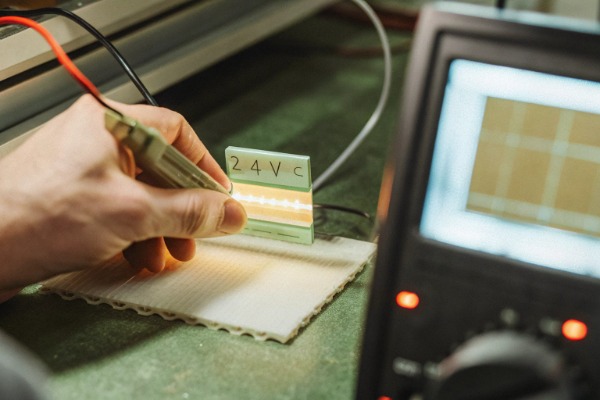
Quando lidamos com dezenas de encomendas de engenharia em que os compradores procuram o orçamento mais baixo—apenas para enfrentar retrabalhos caros meses depois.
Para equilibrar o custo e a qualidade ao adquirir fitas LED para projetos de engenharia, dê prioridade ao custo total de propriedade em vez do preço unitário. Invista em produtos consistentes e certificados de fabricantes fiáveis, negocie preços para compras em quantidade e defina as especificações cedo para evitar alterações dispendiosas durante o projeto e falhas após a instalação.
Abaixo, explico os quatro desafios mais comuns que os compradores de engenharia enfrentam—e partilho o que realmente funciona na prática.
Como posso garantir a consistência de cor a longo prazo em várias fases do projeto sem gastar demasiado?
Alterações de cor entre lotes podem arruinar uma instalação inteira custo total de propriedade 1. Já vimos empreiteiros arrancarem tetos acabados porque as fitas da Fase 2 não combinavam com as da Fase 1.
Para garantir a consistência de cor a longo prazo sem gastar em excesso, adquira todas as fases a um único fabricante utilizando o mesmo lote de LED, defina antecipadamente as especificações de CCT e CRI, e faça encomendas em grande quantidade para assegurar lotes uniformes a custos unitários mais baixos.
Porque acontece a inconsistência de cor
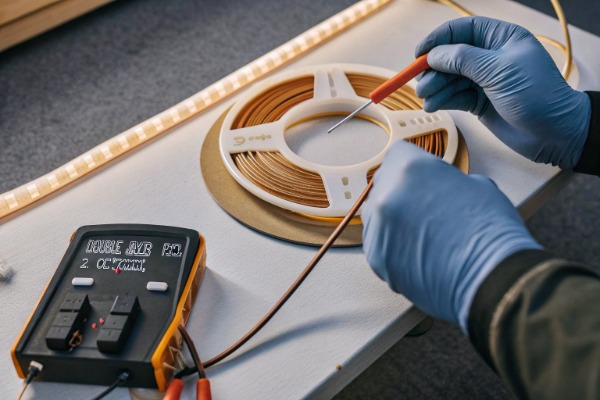
Os chips LED vêm de bolachas, e cada bolacha produz chips com pequenas variações na temperatura de cor e brilho CE e RoHS 2. Os fabricantes classificam estes chips em "bins". Quando encomenda de fornecedores diferentes—ou até de lotes diferentes do mesmo fornecedor sem bloqueio de bin—obtém diferenças visíveis quando instalados lado a lado.
Os nossos engenheiros testam cada bobina com uma amostra de referência antes do envio UL ou ETL para Portugal 3. Este passo acrescenta tempo mas elimina surpresas no local.
O custo de errar
O retrabalho em projetos de engenharia é brutal. Não está a substituir apenas uma lâmpada. Está a retirar fitas de canais de alumínio, a refazer a cablagem e a reparar acabamentos esferas de integração 4. O custo da mão de obra sozinho pode ser 5–10 vezes a diferença de preço entre uma fita barata e uma de qualidade.
Como garantir consistência sem ultrapassar o orçamento
Aqui estão passos práticos:
- Solicite documentação do código de bin ao seu fornecedor.
- Encomende material suficiente para todas as fases de uma só vez, mesmo que a entrega seja faseada.
- Solicite amostras de retenção de cada lote de produção.
- Especifique um(a) Tolerância da elipse de MacAdam 5 (3 passos ou mais rigoroso para trabalhos comerciais).
Lista de Verificação da Especificação de Consistência de Cor
| Parâmetro | Opção Económica | Recomendado para Engenharia |
|---|---|---|
| Elipse de MacAdam | 5 passos ou não especificado | 3 passos ou mais rigoroso |
| Bloqueio de Código de Caixa | Não garantido | Bloqueado por encomenda |
| CRI | 80+ | 90+ |
| Tolerância CCT | ±200K | ±100K |
| Retenção de Amostras | Não oferecido | Retido por mais de 12 meses |
Encomendar em grandes quantidades a um único fabricante é a forma mais simples de controlar simultaneamente a consistência e o custo. Quando fazemos orçamentos para projetos em várias fases, reservamos material do mesmo lote de chips. Isto custa menos do que fazer várias pequenas encomendas posteriormente.
Que certificações específicas devo procurar para garantir a segurança mantendo-me dentro do orçamento do meu projeto?
As certificações confundem muitos compradores. Alguns pagam por marcas desnecessárias. Outros ignoram marcas críticas e falham na inspeção.
Para projetos de engenharia, priorize CE e RoHS para mercados europeus, SAA para Austrália e UL ou ETL para Portugal. Combine as certificações com os requisitos regulamentares do mercado-alvo, em vez de acumular todas as marcas possíveis, o que aumenta os custos sem acrescentar valor.

Requisitos de Certificação Específicos do Mercado
Nem todos os projetos necessitam de todas as certificações. Quando preparamos encomendas para os nossos clientes em Portugal, a certificação SAA é imprescindível. Para a Alemanha, a marcação CE e a conformidade RoHS são requisitos básicos. Pagar pela certificação UL num produto destinado apenas à UE é desperdício de dinheiro.
| Mercado-Alvo | Certificações Necessárias | Opcional mas Útil |
|---|---|---|
| Austrália | SAA, RCM, RoHS | Relatórios de testes com classificação IP |
| Alemanha / UE | CE, RoHS, REACH | TÜV, ENEC |
| América do Norte | UL ou ETL, FCC, RoHS | DLC (para reembolsos) |
| Oriente Médio | CE, RoHS, esquema CB | SASO (Arábia Saudita) |
Como as Certificações Afetam o Preço
Os testes de certificação têm custos. Uma certificação UL completa para uma linha de fitas LED pode custar entre 15.000–30.000 euros e demorar meses. Os fabricantes transferem este custo para o preço do produto. Por isso as fitas certificadas são mais caras—mas também significa que o produto foi testado independentemente quanto à segurança elétrica, resistência ao fogo e qualidade dos materiais.
Sinais de Alerta a Observar
- Fornecedores que afirmam estar "certificados CE" mas não conseguem apresentar um relatório de testes de um laboratório acreditado.
- Certificações auto-declaradas sem verificação por terceiros.
- Certificados que indicam um modelo de produto ou nome de empresa diferente.
Peça sempre o número do certificado e verifique-o de forma independente. Fornecemos pacotes completos de documentação com cada encomenda de engenharia, incluindo relatórios de testes, certificados e documentos de declaração de conformidade. Isto poupa tempo aos nossos compradores durante as aprovações de projetos.
A Abordagem Inteligente para o Orçamento
Concentre os seus gastos com certificações no que o seu mercado realmente exige. Se está a concorrer a um projeto comercial em Lisboa, a SAA é obrigatória. A CE é irrelevante para esse trabalho. Saber isto evita que pague mais por certificações desnecessárias.
Como posso verificar se o processo de controlo de qualidade de um fabricante justifica os preços médios a elevados?
O preço por si só não diz nada sobre a qualidade. A verdadeira questão é o que acontece entre a receção da matéria-prima e o embalamento final.
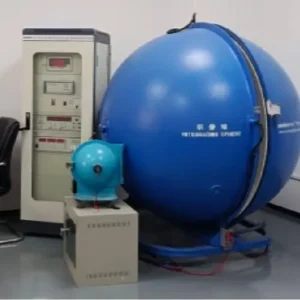
Verifique o controlo de qualidade de um fabricante solicitando documentação do processo, visitando a fábrica ou pedindo auditorias em vídeo, verificando a existência de equipamentos de teste em linha como esferas de integração e estações de teste de envelhecimento, e solicitando relatórios de teste de lote com dados mensuráveis sobre fluxo luminoso, CCT e CRI.
Como é que um bom controlo de qualidade realmente se apresenta
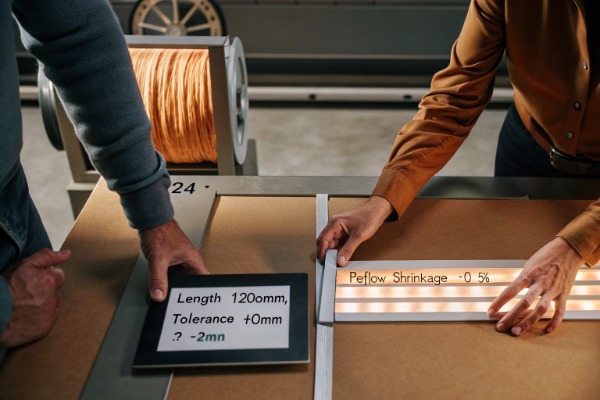
O controlo de qualidade não é apenas uma verificação visual final. Na nossa instalação, o controlo de qualidade começa na inspeção dos materiais recebidos. Testamos os chips LED, a espessura do cobre do PCB, a força de descolagem do adesivo e a qualidade da pasta de solda antes de iniciar a produção. Durante a produção, cada bobina passa por um teste de esfera integradora e um teste de envelhecimento por queima 6. Após a produção, fazemos uma amostragem aleatória para verificar a integridade da vedação impermeável, testar a flexibilidade e verificar a uniformidade da cor.
Principais pontos de controlo de qualidade a perguntar
| Etapa de QC | O que verificar | Por que é importante |
|---|---|---|
| Materiais recebidos | Relatórios de bin de chips LED, espessura do cobre do PCB | Evita que materiais defeituosos entrem na produção |
| SMT (Soldadura) | Inspeção da pasta de solda, perfis de temperatura de refluxo | Uma má soldadura causa cintilação e LEDs mortos |
| Testes em linha | Esfera integradora (lúmen, CCT, CRI por bobina) | Deteta desvios de cor e brilho precocemente |
| Teste de Envelhecimento | Queima de 8–24 horas à potência nominal | Identifica falhas precoces antes do envio |
| Inspeção Final | Verificação visual, integridade da embalagem, precisão da rotulagem | Garante que o produto corresponde à especificação da encomenda |
| Teste de impermeabilidade | Verificação do grau de proteção IP (imersão, testes de pulverização) | Confirma resistência ambiental em condições reais |
Perguntas Que Revelam a Verdadeira Capacidade de Controlo de Qualidade
Coloque estas perguntas ao seu fornecedor:
- Qual é a sua taxa de defeitos por milhão de unidades?
- Pode partilhar um relatório de teste de um lote de amostra?
- Possui uma esfera integradora ou subcontrata os testes?
- Como lida com bobinas fora de especificação — retrabalho ou sucata?
- Qual é a duração do seu teste de envelhecimento e a condição de carga?
Fabricantes que respondem a estas perguntas com confiança e fornecem documentação justificam um preço mais elevado. Aqueles que hesitam ou dão respostas vagas provavelmente estão a cortar custos.
A Ligação entre Preço e Qualidade
Preços médios a elevados refletem custos reais: chips de melhor qualidade, PCBs de cobre mais espesso, mais etapas de teste e pessoal de controlo de qualidade treinado. Quando apresentamos um orçamento para um projeto, conseguimos detalhar exatamente para onde vai o custo. A transparência nos preços é, por si só, um indicador de qualidade. Se um fornecedor não consegue explicar o motivo do seu preço, isso é um sinal de alerta.
Posso reduzir os meus custos totais de instalação e manutenção ao optar por soluções personalizadas de fitas LED de longa duração?
Bobinas padrão de 5 metros significam mais cortes, mais conectores e mais potenciais pontos de falha. Cada união é um ponto fraco.
Sim, as soluções personalizadas de fitas LED de longo alcance reduzem os custos totais de instalação e manutenção ao minimizar as soldaduras e conectores, diminuir o tempo de mão de obra no local e eliminar descontinuidades visíveis de luz—proporcionando um resultado mais limpo com menos pontos de falha ao longo da vida útil do produto.
O Problema dos Comprimentos Padrão
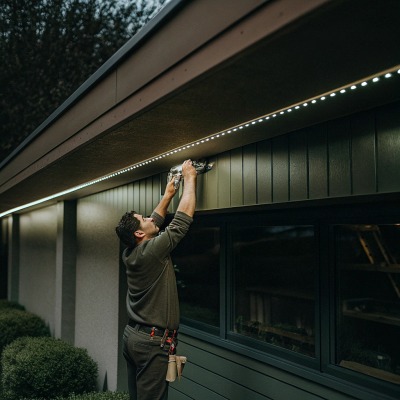
A maioria das fitas LED disponíveis no mercado vem em bobinas de 5 metros. Uma instalação de iluminação de cove de 30 metros requer seis bobinas, cinco ligações e um alinhamento cuidadoso para evitar zonas escuras nas uniões. Cada conector adiciona resistência, aumenta queda de tensão 7 o risco e cria um potencial ponto de falha. Ao longo da vida útil de um edifício, é nesses pontos que começam os problemas—piscares, descoloração ou falha total.
Como as Fitas Personalizadas de Longo Alcance Resolvem Isto
A nossa linha de produção pode fabricar segmentos contínuos de 20, 30 ou até 50 metros, dependendo da voltagem e especificação. As fitas de alta voltagem (24V, 48V ou AC 220V) são especialmente adequadas para longos percursos porque sofrem menos queda de tensão por metro.
Comparação de Custos: Padrão vs. Personalizado de Longo Alcance
Considere uma instalação comercial de 100 metros:
| Fator de Custo | Bobinas Padrão de 5m (20 unid.) | Segmentos Personalizados de 25m (4 unid.) |
|---|---|---|
| Conectores necessários | 19 | 3 |
| Mão de obra no local (horas) | 12–16 | 6–8 |
| Pontos de falha | 19 | 3 |
| Chamadas de manutenção (estim. 5 anos) | 4–6 | 0–1 |
| Uniformidade visual | Moderado (sombras nas juntas) | Elevado (sem emendas) |
| Custo inicial da fita | Mais baixo por metro | 10–15% mais alto por metro |
| Custo total a 5 anos | Mais alto | Mais Baixo |
O custo inicial das fitas personalizadas de longa duração é ligeiramente superior por metro. No entanto, as poupanças em mão de obra, conectores, manutenção e retrabalho tornam o custo total do projeto significativamente mais baixo.
Quando Faz Sentido Utilizar Fitas Personalizadas de Longo Alcance
As soluções de longa duração são ideais para:
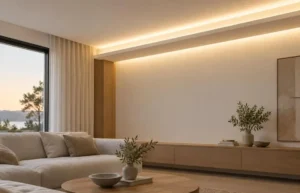
- Iluminação de sancas em hotéis, escritórios e espaços comerciais.
- Iluminação de fachadas em edifícios comerciais.
- Parques de estacionamento e armazéns com percursos contínuos.
- Qualquer instalação onde o acesso para manutenção seja difícil ou dispendioso.
Para instalações curtas e segmentadas, como iluminação sob armários de cozinha, as bobinas standard funcionam bem. O valor da personalização aumenta consoante a dimensão do projeto e as restrições de acessibilidade.
Trabalhar com o Seu Fornecedor em Fitas Personalizadas
Forneça ao seu fornecedor os comprimentos exatos das fitas, dimensões dos canais de montagem e localizações das fontes de alimentação. Criamos soluções cortadas à medida com fios pré-soldados e bobinas etiquetadas que correspondem à sequência de instalação. Isto elimina dúvidas no local e acelera significativamente a instalação.
Estabilidade em primeiro lugar, custo em segundo. Quando uma fita falha após a instalação, o custo do retrabalho ultrapassa largamente o que poupou na compra inicial. As soluções personalizadas de longa duração são o exemplo mais claro de gastar um pouco mais no início para poupar substancialmente ao longo do ciclo de vida do projeto.
Conclusão
Equilibrar custo e qualidade na aquisição de fitas LED resume-se a um princípio: priorizar a estabilidade e depois otimizar o custo. O custo de retrabalho devido a uma fita defeituosa excede sempre a poupança de uma mais barata.
Notas de rodapé
- A Wikipédia fornece uma definição abrangente e explicação do Custo Total de Propriedade (TCO). ↩︎
- Detalha as marcas de conformidade europeias obrigatórias para segurança de produtos e substâncias perigosas. ↩︎
- Resume as principais certificações de segurança de produto exigidas para o mercado português. ↩︎
- A Wikipédia fornece uma explicação detalhada das esferas de integração e das suas aplicações. ↩︎
- A Wikipédia explica as elipses de MacAdam e a sua relevância para a consistência de cor. ↩︎
- Explica o objetivo e a importância dos testes de envelhecimento em luminárias LED. ↩︎
- A Wikipédia define a queda de tensão em eletrónica e as suas implicações em circuitos. ↩︎

 English
 Spanish
 German
 Russian
 Arabic
 French
 Portuguese