We often see suppliers boasting about "exclusive patents" during trade show exhibits. However, relying on verbal claims without proof puts your entire project at risk.
To verify a supplier's patent validity, demand the specific patent registration number and a high-resolution copy of the official grant certificate. Cross-reference these details in databases like WIPO or CNIPA to confirm the status is "Active" and ensure the patent holder matches the supplier's legal business name.
Let’s break down the exact steps we take to validate intellectual property before production begins.
What specific patent documentation should I request from my LED manufacturer?
When we co-develop custom strips, we require more than just a brochure claim. Missing documentation often signals hidden legal traps that can halt your shipments.
You must request the official Patent Grant Certificate, not just an application receipt, along with the full specification document detailing the claims. Crucially, ask for assignment deeds if the patent was acquired, ensuring the current supplier has the legal right to manufacture and sell the technology.
Requesting the right paperwork is your first line of defense. In our factory, we maintain a strict digital archive of our intellectual property, and any legitimate manufacturer should be able to provide these documents immediately. If a supplier hesitates or offers excuses, that is a major red flag.
The Difference Between Application and Grant
A common trick in the industry involves suppliers showing an "Acceptance Notice" for a patent application and presenting it as a granted patent. An application offers no legal protection and may eventually be rejected. You need the Patent Grant Certificate. This document proves that the patent office has examined the technology and officially awarded exclusive rights.
The Claims Specification
The most critical part of any patent document is the "Claims" section. This text defines exactly what is protected. We have seen instances where a supplier claims to have a patent on a "High-Efficiency LED Strip," but the actual patent claim only covers a specific type of plastic connector used on the end of the wire. If you do not read the claims, you might assume the entire product is protected when only a minor component is covered.
Ownership and Assignment Deeds
Finally, verify who actually owns the patent. In our experience, problems arise when the name on the patent certificate does not match the company you are paying. The patent might belong to a former business partner, a parent company, or an unrelated entity. If the names do not match, you must request an Assignment Deed or a License Agreement. This proves the supplier has the legal right to use that technology.
Essential Documentation Checklist
| Document Type | What It Proves | Why You Need It |
|---|---|---|
| Grant Certificate | Official legal recognition | Confirms the patent is valid and not just an application. |
| Claims Specification | Scope of protection | Defines exactly which technical features are protected. |
| Assignment Deed | Transfer of ownership | Links the patent owner to the supplier you are paying. |
| Maintenance Receipt | Active status | Proves annual fees are paid and the patent is not expired. |
How can I verify Chinese patent numbers in international databases?
Our engineering team frequently checks Chinese databases to ensure our component sources are legitimate. Language barriers should never be an excuse for skipping due diligence.
Verify Chinese patents by entering the "ZL" prefix followed by the application number into Google Patents or the WIPO Global Design Database. These platforms provide English translations, allowing you to confirm the patent's legal status, expiration date, and whether it covers the specific technology you are importing.
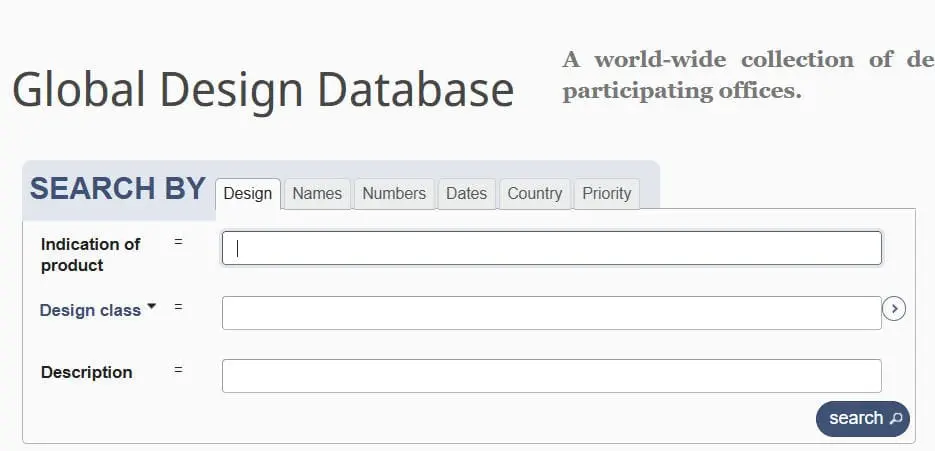
Since many LED innovations originate in China, understanding how to navigate the Chinese patent system is a vital skill for any importer. You do not need to speak Chinese to do this effectively, thanks to modern international databases.
Decoding the "ZL" Number
Chinese patent numbers usually start with "ZL" (Zhuan Li), followed by the year and a string of digits. The length of the number often indicates the type of patent. It is crucial to distinguish between an Invention Patent and a Utility Model. Invention patents undergo rigorous substantive examination for novelty and are very strong. Utility models are granted quickly with little examination and are easier to invalidate in court. Many suppliers market weak utility models as "patented technology."
Using WIPO and Google Patents
We recommend using Google Patents or the WIPO (World Intellectual Property Organization) Patentscope. These tools automatically translate Chinese text into English. When you search, look for the legal status. If the status says "Dead" or "Expired" due to non-payment of fees, the technology is in the public domain, and the supplier has no exclusive right to it.
Verifying the Patent Holder
This is a personal insight we emphasize: check the "Assignee" or "Patent Holder" field carefully. If the supplier claims to be the manufacturer but the patent is held by a trading company in a different city, you are likely dealing with a middleman. Using "someone else's patent" as a marketing tool is a common practice that can lead to disputes. Always ensure the entity on the invoice matches the entity on the patent database.
Chinese Patent Types Overview
| Patent Type | Protection Term | Examination Process | Strength |
|---|---|---|---|
| Invention Patent | 20 Years | Rigorous substantive exam | High |
| Utility Model | 10 Years | Formal review only (fast) | Low to Medium |
| Design Patent | 15 Years | Aesthetic review only | Low (Visuals only) |
Will importing patented LED products affect my liability as a distributor?
We always warn our partners that customs authorities do not care if you were "unaware" of an infringement. Ignorance provides zero protection against seizure or lawsuits.
Yes, importing infringing products makes you strictly liable for patent infringement, regardless of your knowledge or intent. You can face inventory seizures, treble damages for willful infringement, and costly litigation, which is why securing a robust indemnification clause from your manufacturer is absolutely critical.

Many distributors mistakenly believe that liability stops at the factory gate. In reality, patent laws in major markets like the US, Australia, and Germany place strict liability on the importer. This means you are the one on the hook if the product violates a local patent.
Strict Liability Explained
Strict liability means you can be sued even if you acted in good faith. If a competitor holds a valid patent in your country and your imported products infringe on it, you are liable for damages. We have seen cases where entire containers were seized by customs because a competitor filed an exclusion order. The financial loss includes not just the cost of goods, but also legal fees and lost contracts with your own clients.
The Danger of "False Marking"
Beyond infringement, there is the risk of "False Marking." This happens when a product packaging lists a patent number that is expired, invalid, or irrelevant. In some jurisdictions, this is a separate offense that carries heavy fines. We ensure our packaging is always accurate, but you must audit your suppliers to ensure they are not printing random numbers on boxes to look impressive.
Indemnification is Your Safety Net
You must protect your business contractually. A standard manufacturing agreement is not enough. You need a specific Indemnification Clause where the supplier agrees to cover all legal costs, settlements, and damages if a third party sues you for IP infringement. If a supplier refuses to sign this, it is a clear sign they lack confidence in their own IP ownership.
Risk vs. Consequence Table
| Risk Scenario | Potential Consequence for Distributor | Mitigation Strategy |
|---|---|---|
| Direct Infringement | Lawsuit, damages, sales ban | Freedom to Operate (FTO) search. |
| Customs Seizure | Total loss of stock, missed deadlines | Check exclusion orders before shipping. |
| Willful Infringement | Treble (3x) damages | Document all verification efforts. |
| False Marking | Regulatory fines per unit sold | Audit packaging markings regularly. |
How do I ensure the supplier owns the IP for their COB technology?
In COB production lines, we know that true ownership goes beyond just the packaging method. Many suppliers claim ownership of technology that actually belongs to major conglomerates.
Ensure ownership by requesting a "Freedom to Operate" analysis and tracing the patent lineage to confirm it covers the specific chip-on-board structure used. You must verify that the supplier holds valid rights to the underlying chip attachment process, rather than merely licensing a generic improvement that relies on competitors' IP.

Chip-on-Board (COB) technology is complex because it involves multiple layers of intellectual property. It is rarely covered by a single patent. When we develop COB solutions, we have to navigate patents related to the substrate, the phosphor coating, and the electrical bonding method.
Structure vs. Method Patents
A supplier might own a patent for a specific method of applying phosphor, but that does not mean they have the right to the structure of the LED chip itself. Major players like Nichia, Cree, and Signify hold foundational patents that cover the basic architecture of LED devices. If your supplier's "patented technology" relies on these foundational patents without a license, you are exposed to risk. You need to ask: "Does your patent cover the entire device, or just one step in the process?"
The "Freedom to Operate" Analysis
The gold standard for verification is a Freedom to Operate (FTO) analysis. This is a legal opinion from a patent attorney stating that a product can be sold without infringing existing third-party patents. While expensive, requesting this from your supplier tests their legitimacy. Even if they cannot provide a full formal opinion, they should be able to provide a "Claim Chart" or "Element-by-Element" analysis showing how their product differs from major competitor patents.
Tracing the Lineage
COB technology often changes hands. A supplier might claim they own the IP, but they actually acquired it from a defunct company or through a merger. You need to trace the lineage. Ask for the history of the technology. Did they develop it in-house? If so, show us the R&D records. Did they buy it? Show us the transfer agreement. This level of scrutiny ensures you are not buying into a legal dispute waiting to happen.
Conclusion
Verifying patent claims is not just about paperwork; it is about protecting your business from catastrophic legal and financial risks. By demanding specific grant certificates, validating them in international databases, and securing strong indemnification, you ensure that your supply chain remains secure and profitable.