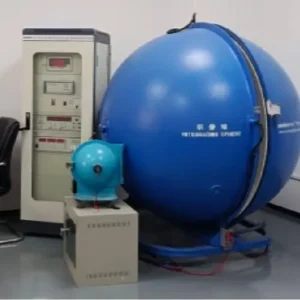
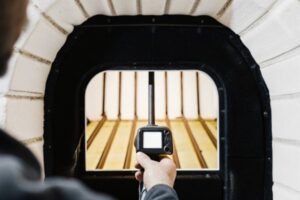
We frequently receive inquiries from Australian distributors concerned about the intense UV exposure and heat in regions like Queensland and the Northern Territory. We know that a strip light is only as good as the tape holding it up, which is why our quality control team spends days stressing adhesives before a new product launch. The fear of a project failure due to peeling strips is real, but with the right testing protocols, you can eliminate that risk before the goods leave the warehouse.
To ensure COB LED strip adhesion withstands the Australian climate, conduct a standardized peel test using ASTM D3359 methods after a 72-hour cure. Combine this with accelerated thermal cycling between -40°C and +85°C to simulate extreme heatwaves, and verify resistance to humidity using a heated soak test.
Testing adhesion isn't just about sticking it on a wall and hoping for the best. It requires a systematic approach to replicate the harsh environmental factors your projects face. By breaking down the testing process into chemical compatibility, thermal endurance, and surface preparation, you can guarantee longevity.
Which 3M tape series performs best in high-heat Australian summers?
When we configure orders for our clients in Perth or Adelaide, we strongly advise against standard generic adhesives that melt under the midday sun. Our engineering team has tested dozens of adhesive formulations to find the balance between initial tack and long-term heat resistance.
For high-heat Australian summers, the 3M VHB 5952 series or the 300LSE high-strength acrylic adhesive performs best. These tapes withstand surface temperatures exceeding 90°C, resist plasticizer migration from the COB coating, and maintain strong bonds on aluminum profiles despite thermal expansion.
Understanding the Heat Load in Aluminum Channels
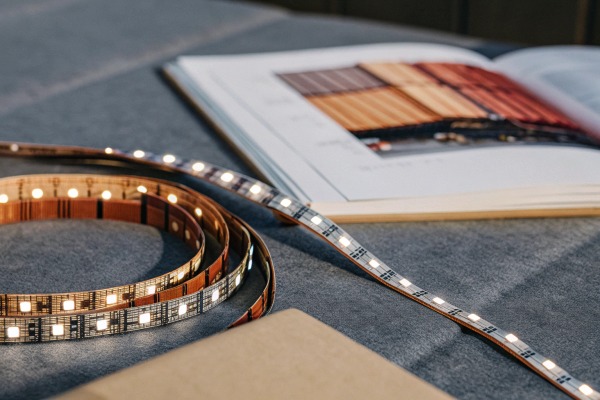
In the Australian market, LED strips are almost always installed inside aluminum profiles. While aluminum is excellent for heat dissipation, it also acts as a heat collector when exposed to direct sunlight. In summer, the ambient temperature might be 40°C, but the temperature inside a black powder-coated aluminum channel can easily spike above 80°C.
Standard "Red Tape" (often a generic acrylic foam) typically fails at around 60-70°C. Once the adhesive softens, the gravity load of the COB strip—which is heavier than traditional SMD strips due to the phosphor encapsulation—causes it to slide or detach. This is why selecting the correct series is the first step in your testing regime.
The VHB vs. 300LSE Distinction
We often see confusion regarding which 3M tape to specify. The table below outlines the specific characteristics we look for when manufacturing strips for export to hot climates.
Adhesive Performance Comparison for Hot Climates
| Tape Series | Best Application | Temperature Resistance (Short Term) | Temperature Resistance (Long Term) | Suitability for AU Summer |
|---|---|---|---|---|
| 3M 300LSE | Low surface energy plastics, powder coats | 148°C | 93°C | High - Excellent for varied surfaces. |
| 3M VHB 5952 | Heavy-duty bonding, textured surfaces | 149°C | 121°C | Very High - Best for outdoor/structural bonds. |
| Generic "Red" | Indoor, climate-controlled areas | ~70°C | ~50°C | Low - High risk of failure in heat. |
| Thin Tissue | Temporary holding, paper | ~60°C | ~40°C | None - Do not use for projects. |
Critical Analysis: The "Fake" Tape Problem
A major issue we encounter in the supply chain is the prevalence of counterfeit adhesive. A strip might have a liner that says "3M 300LSE," but the glue underneath is a cheap rubber-based compound. To test this, we perform a "smell and stretch" test. Genuine acrylic adhesive has a distinct, sharp chemical smell and stretches significantly before breaking. Counterfeits often smell like rubber tires and snap easily. For your peace of mind, always ask your supplier for the Certificate of Conformance (CoC) for the adhesive batch used on your COB strips.
How can I simulate temperature fluctuations to test adhesive longevity?
In our R&D lab, we don't just guess how a product will perform; we force it to fail under controlled conditions to understand its limits. We have found that constant heat isn't actually the biggest enemy—it is the rapid change in temperature that causes the most delamination issues.
Simulate temperature fluctuations by creating a thermal shock cycle: alternate the adhered strip between a freezer at -20°C and an oven at 65°C every four hours. This rapid expansion and contraction mimics the stress of diurnal temperature shifts found in Australian coastal and desert regions.
The Physics of Thermal Expansion
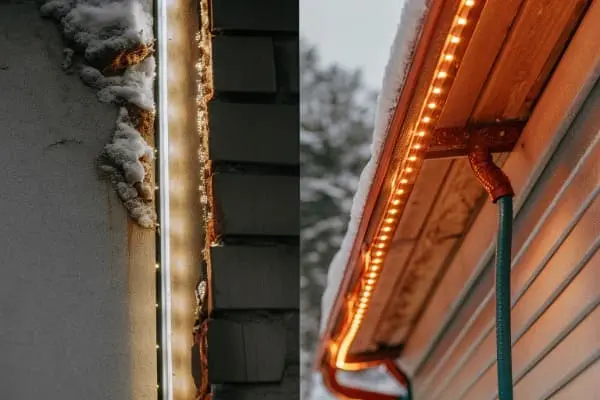
The primary reason adhesion fails in Australia isn't just the heat itself; it is the Coefficient of Thermal Expansion (CTE). The COB strip (made of copper and PCB material) and the aluminum profile expand at different rates. When the sun hits the profile, it expands rapidly. If the adhesive is too rigid, it shears off. If it is too soft, it creeps.
To test this effectively, you need to stress the interface between the strip and the profile. A static heat test (leaving it in an oven) only tests the glue's melting point. A cycling test checks the glue's elasticity and ability to absorb mechanical stress.
DIY Thermal Shock Protocol
If you do not have access to an environmental chamber, you can replicate our factory testing methods with equipment available to most contractors or distributors.
- Preparation: Mount 30cm samples of the COB strip onto the aluminum profile you intend to use. Allow them to cure at room temperature for 72 hours.
- The Cold Cycle: Place the samples in a standard freezer (-18°C to -20°C) for 4 hours.
- The Hot Cycle: Immediately transfer the samples to a convection oven set to 65°C (150°F) for 4 hours.
- Repetition: Repeat this cycle 10 times (approx. 3-4 days).
- Observation: Check for "tunneling" (where the strip lifts in the middle) or edge lifting.
Recommended Testing Durations for Warranty Validation
| Warranty Goal | Thermal Cycles Required | Humidity Soak (85% RH) | Pass Criteria |
|---|---|---|---|
| 1 Year | 20 Cycles | 48 Hours | < 5% Edge Lift |
| 3 Years | 50 Cycles | 168 Hours | Zero Delamination |
| 5 Years | 100 Cycles | 500 Hours | Zero Delamination & >80% Peel Strength Retained |
Humidity: The Silent Killer
In places like Cairns or Sydney, humidity is a massive factor. Moisture can wick between the adhesive and the aluminum, causing hydrolysis. We recommend adding a "wet test" to your protocol. Place a sample in a sealed container with a cup of water (do not submerge the strip) and place that container in a warm area or oven at 50°C. This creates a high-humidity environment. If the adhesive turns milky or gooey after 48 hours, it is not suitable for coastal Australian projects.
Does the surface material of my aluminum profile affect the peel strength of the tape?
We noticed a pattern where strips fell off powder-coated frames significantly more often than anodized ones, leading us to investigate surface energy. It is frustrating to see a high-quality COB strip fail simply because the substrate wasn't compatible with the adhesive backing.
Yes, surface material significantly affects peel strength due to surface energy variations. Anodized aluminum offers high surface energy for excellent bonding, while textured powder coatings or raw timber reduce contact area, often requiring specific primers or thicker foam tapes to prevent delamination.
Surface Energy 101 (Dyne Levels)
Adhesion is essentially about "wetting out." Imagine dropping water on a waxed car hood; it beads up. That is low surface energy. You want the adhesive to flow like water on a flat table.
- High Surface Energy (HSE): Metals like anodized aluminum, stainless steel, and copper. Adhesives love these. They flow into the microscopic pores and lock tight.
- Low Surface Energy (LSE): Plastics like Polypropylene, some powder coats, and rubber. Adhesives struggle to "grab" these surfaces.
The Powder Coating Challenge
Powder-coated aluminum is very popular in architectural lighting, but it presents two problems:
- Chemical: Many powder coats contain wax or Teflon additives to make them stain-resistant. This repels the tape.
- Physical: Textured finishes (like "sand" or "ripple" effects) reduce the actual contact area by up to 50%.
If you are mounting COB strips to a textured powder-coated profile, a standard thin transfer tape will fail. You must use a thicker VHB foam tape (at least 0.4mm to 0.8mm thick) that can flow into the texture gaps.
Surface Material Compatibility Matrix
| Surface Material | Surface Energy | Recommended Adhesive Type | Primer Required? |
|---|---|---|---|
| Anodized Aluminum | High | Standard 3M MP or VHB | No |
| Raw Aluminum | High | Standard 3M MP or VHB | No (Must be cleaned of oil) |
| Smooth Powder Coat | Medium/Low | 3M 300LSE or VHB | Recommended (e.g., 3M Primer 94) |
| Textured Powder Coat | Low | Thick VHB (0.8mm+) | Yes |
| Raw Timber/MDF | Very Low | Liquid Glue / Silicone | Yes (Must be sealed) |
Critical Thinking: The Role of Primers
Many installers skip primer to save time, but in our experience, a primer like 3M Primer 94 can increase peel strength by 300% on difficult surfaces. If you are testing adhesion on a sample profile and it fails, do not immediately blame the strip. Try applying a thin layer of primer to the profile first. If it sticks, the issue is surface energy, not the adhesive quality. This is a crucial distinction when you are negotiating warranties with your suppliers.
What cleaning agents should I use to prepare the surface before applying the test strip?
Before our workers apply any backing tape in the cleanroom, they follow a strict cleaning protocol because even a fingerprint can compromise the bond. We have seen perfectly good engineering ruined by a dirty rag or the wrong chemical cleaner on the job site.
The most effective cleaning agent is a 50:50 mixture of Isopropyl Alcohol (IPA) and water. This solution removes oils and dust without leaving a residue, unlike methylated spirits or glass cleaners, ensuring the pressure-sensitive adhesive bonds directly to the substrate.
Why IPA is the Industry Standard
Isopropyl Alcohol (Isopropanol) is the gold standard for two reasons: it dissolves non-polar oils (like grease from extrusion machines) and polar soils (like dust), and it evaporates quickly without leaving a trace.
Many contractors in Australia use "Metho" (Methylated Spirits) or standard glass cleaners. This is risky.
- Methylated Spirits: Often leaves a thin, oily residue or contains additives that can react with the adhesive.
- Glass Cleaners: Usually contain ammonia or surfactants (soaps) that remain on the surface, creating a barrier between the glue and the metal.
- Acetone: While a powerful degreaser, it can damage powder coatings and dissolve plastic end-caps. It is too aggressive for general use.
The "One-Way Wipe" Technique
Testing adhesion isn't just about the chemical; it's about the mechanical action of cleaning. If you wipe back and forth, you are simply moving the dirt around.
The Protocol:
- Soak a lint-free cloth (microfiber or Kimwipe) in the 50:50 IPA mixture.
- Wipe the aluminum channel in one direction only.
- Lift the cloth, fold it to a clean side, and wipe again in the same direction.
- Wait for the alcohol to fully evaporate (usually 30-60 seconds) before applying the strip.
Chemical Incompatibility Risks
We also need to discuss "Plasticizer Migration," which is a chemical reaction often mistaken for poor cleaning. The PVC or Silicone coating on the COB strip contains plasticizers to keep it flexible. Over time, especially in heat, these oils can migrate out of the strip and into the adhesive, turning it into a gooey mess.
Proper cleaning cannot fix plasticizer migration—that is a material compatibility issue. However, thorough cleaning ensures that if failure occurs, you can rule out surface contamination and correctly identify the chemical fault. When you perform your peel tests, look at the back of the tape.
- Dirt on tape: Cleaning failure.
- Adhesive left on profile: Cohesive failure (good bond, weak glue).
- Adhesive clean, nothing on profile: Adhesive failure (surface energy or contamination issue).
Conclusion
Testing the adhesion of COB LED strips for the Australian market requires more than a quick thumb check. By selecting the right high-temperature tapes (like VHB or 300LSE), simulating thermal shock cycles, accounting for surface energy on powder-coated profiles, and strictly using IPA for cleaning, you can prevent costly site failures. As a manufacturer, we see that the partners who invest time in these validation steps are the ones who build long-term trust with their clients.