
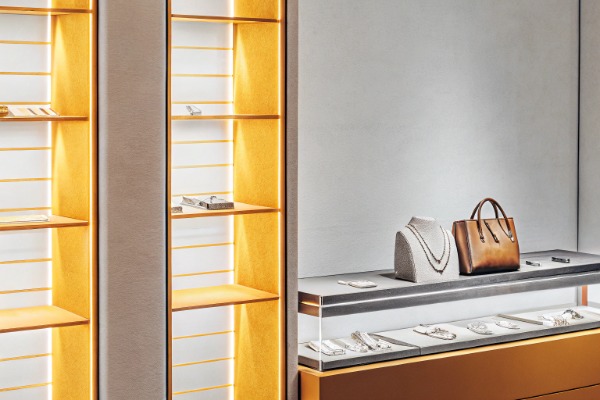
على مدار السنوات، قامت خط إنتاجنا بمعالجة آلاف طلبات شرائط LED للمقاولين وتجار الجملة في مصر وجميع الدول. شرائط 24 فولت أو 48 فولت 1. هناك نمط واحد يتكرر باستمرار: المشترون الذين يركزون فقط على السعر والمواصفات ينتهي بهم الأمر بالاتصال بنا بعد ستة أشهر بسبب شرائط تومض، ألوان غير متطابقة، وفشل في الفحص. أكبر فخ هو عدم رؤية المواد الحقيقية والبنية وراء الأرقام.
تشمل أكثر الأخطاء الشائعة عند شراء شرائط إضاءة LED عدم تناسق الألوان بين الدُفعات، انخفاض الجهد في التركيبات الطويلة، الشهادات غير الصالحة أو غير المتطابقة، مصادر الطاقة غير الكافية، ضعف إدارة الحرارة، وتأخيرات الشحن الناتجة عن ضعف مراقبة الجودة. لتجنب هذه المشكلات يجب التحقق من المواد، واختبار العينات، واختيار الموردين الذين لديهم عمليات مراقبة جودة شفافة.
كل واحدة من هذه المشاكل يمكن أن تعطل مشروع إضاءة تجاري متطلبات مؤشر تجسيد اللون (CRI) 2. دعني أشرح لك أكبر أربع مشاكل في التوريد نراها — وكيفية تجنبها بالضبط.
كيف يمكنني تجنب تفاوت اللون من دفعة لأخرى الذي يفسد التجانس البصري لمشروعي؟
ما زلت أتذكر مكالمة من موزع مصري قام بتركيب 200 متر من شرائط الإضاءة البيضاء الدافئة في ردهة فندق. في منتصف المشروع، وصلت الدفعة الثانية — وكان اللون مختلفًا بشكل ملحوظ. بدا السقف بأكمله غير متناسق. تلك المشكلة الواحدة كلفت أسابيع من إعادة العمل.
لتجنب تباين اللون من دفعة لأخرى، اطلب شرائط LED من نفس حاوية شرائح LED، واطلب من المورد تقييمات إهليلج ماكادم (ثلاث خطوات أو أكثر دقة)، ودوماً قم باختبار عينات من كل دفعة إنتاج قبل الشحن. التوحيد في تصنيف الشرائح على مستوى الشريحة هو الطريقة الوحيدة الموثوقة لضمان التجانس البصري عبر المشاريع الكبيرة.
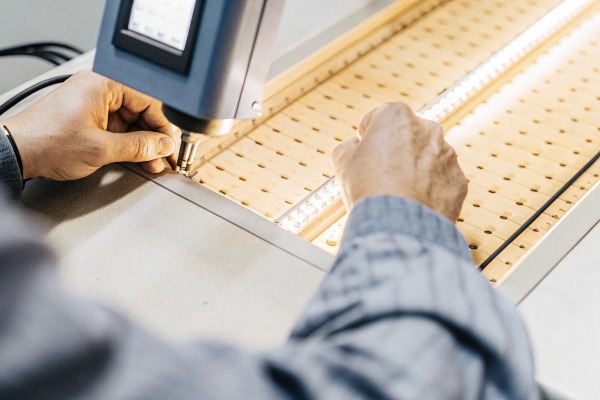
ما الذي يسبب اختلاف اللون في شرائط LED؟
اختلاف اللون يحدث على مستوى الشريحة. يتم تصنيع شرائح LED بكميات كبيرة على رقائق، وليس كل شريحة تخرج متطابقة. تختلف درجة حرارة اللون، السطوع، والظل قليلاً عبر الرقاقة. يقوم المصنعون بفرز هذه الشرائح إلى "حاويات" — مجموعات ذات خصائص متشابهة. إذا قام المورد بخلط الحاويات بين الدفعات، ستحصل على اختلافات لون مرئية.
المعيار الصناعي لقياس ثباتية اللون هو إهليلج ماك آدم 3. إهليلجية ماك آدم بمقدار خطوة واحدة تعني اختلاف لون يكاد لا يُلاحظ. إهليلجية بثلاث خطوات تعتبر ممتازة للإضاءة المعمارية. أي شيء يتجاوز خمس خطوات يصبح ملحوظًا للعين المجردة.
كيف نتحكم في ثبات اللون
في أرضية الإنتاج لدينا، نتابع رموز الحاويات من موردي الشرائح ونربطها بكل طلب. عندما يتطلب المشروع عدة دفعات، نحتفظ بشرائح من نفس الحاوية منذ البداية. يجب أن تطلب ذلك بشكل صريح. العديد من المصانع لا تفعل ذلك إلا إذا طلب منها.
إليك مرجع سريع لفهم خطوات إهليلجية ماك آدم:
| خطوة ماكادم | اختلاف اللون | مناسب لـ |
|---|---|---|
| خطوة واحدة | يكاد لا يُلاحظ | مختبر / مرجعي |
| ثلاث خطوات | بالكاد ملحوظ | الإضاءة المعمارية، الضيافة، التجزئة |
| خمس خطوات | ملحوظ جنبًا إلى جنب | تجاري عام |
| أكثر من 7 خطوات | مرئي بوضوح | المناطق ذات الميزانية المحدودة / الأولوية المنخفضة |
خطوات عملية للمشترين
- اطلب رموز الحاويات على كل تأكيد طلب. إذا لم يستطع المورد توفيرها، فهذا مؤشر خطر.
- اطلب ضمان ماكآدم بثلاث خطوات كتابةً، خاصةً في المشاريع التي سيتم فيها تركيب الشرائط جنبًا إلى جنب.
- اطلب زيادة بنسبة 10–15٪ من نفس الدفعة. هذا يمنحك قطع غيار تتطابق فعليًا.
- اختبر العينات تحت ظروف الإضاءة الفعلية لمشروعك — وليس فقط تحت إضاءة الفلورسنت في المخزن.
- حدد متطلبات مؤشر تجسيد اللون (CRI). استهدف مؤشر تجسيد لون 80+ كحد أدنى. للمشاريع الفندقية والتجزئة، مؤشر 90+ يمنع تشوه الألوان على الأسطح. شريط منخفض المؤشر قد يجعل الأريكة الرمادية تبدو خضراء.
تفاوت اللون هو أحد تلك المشاكل التي تبدو جيدة على ورقة البيانات لكنها تظهر بشكل مؤلم على السقف النهائي. الحل بسيط: أصر على توثيق التصنيف واختبر قبل الالتزام.
لماذا أواجه انخفاض في الجهد وتقطع في الإضاءة في تركيب شرائط LED الطويلة؟
هذا هو السؤال الذي نتلقاه غالبًا من المقاولين الذين ينفذون إضاءة الممرات أو الكوف أو الواجهات. يقومون بتوصيل شريط بطول 10 أو 15 مترًا من طرف واحد، ويبدو الطرف البعيد أكثر خفوتًا بشكل ملحوظ. أحيانًا آخر متر بالكاد يضيء. إنه أمر محبط — وقابل تمامًا للتجنب.
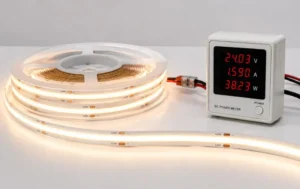
يحدث انخفاض الجهد لأن المسارات النحاسية الرفيعة في شريط LED لها مقاومة متأصلة، والتي تزداد مع المسافة. كلما طال الشريط من نقطة تغذية طاقة واحدة، قل الجهد الذي يصل إلى الطرف البعيد. لمنع الخفوت وعدم استمرارية الإضاءة، استخدم شرائط 24 فولت أو 48 فولت، أو قم بتغذية الطاقة من كلا الطرفين، أو أضف نقاط حقن طاقة على طول الشريط.

لماذا يحدث انخفاض الجهد؟
تخيل المسارات النحاسية في شريط LED مثل خرطوم الحديقة. كلما طال الخرطوم، قل ضغط الماء الذي تحصل عليه في النهاية. المقاومة الكهربائية 5 تعمل بنفس الطريقة. كل سنتيمتر من مسار النحاس يضيف كمية صغيرة من المقاومة. على مدى 5 أو 10 أمتار، تتراكم المقاومة.
النتيجة: المصابيح القريبة من مصدر الطاقة تحصل على الجهد الكامل وتضيء بقوة. المصابيح في الطرف البعيد تحصل على جهد منخفض وتظهر باهتة، وأحيانًا مع تغير في اللون نحو الأصفر في الشرائط البيضاء.
12 فولت مقابل 24 فولت مقابل 48 فولت: أيهما تختار؟
الشرائط ذات الجهد الأعلى تحمل نفس القدرة مع تيار أقل. التيار الأقل يعني فقدان طاقة أقل بسبب المقاومة. لهذا السبب أصبحت شرائط 24 فولت هي المعيار الصناعي للمشاريع التجارية، وشرائط 48 فولت تزداد انتشارًا للتمديدات الطويلة جدًا.
| المواصفات | شريط 12 فولت | شريط 24 فولت | شريط 48 فولت |
|---|---|---|---|
| أقصى طول موصى به لتغذية واحدة | 3–5 أمتار | 7–10 أمتار | 15–20 مترًا |
| انخفاض الجهد الكهربائي 6 الحدة | مرتفع | متوسط | منخفض |
| سحب التيار (لنفس القدرة الكهربائية) | الأعلى | نصف 12 فولت | ربع 12 فولت |
| أفضل حالة استخدام | تشغيلات قصيرة لللهجة | معظم المشاريع التجارية | الممرات الطويلة، الواجهات |
| توفر مصدر الطاقة | شائع جدًا | شائع جدًا | توفر متزايد |
كيفية إصلاح انخفاض الجهد في التركيبات الحالية
إذا كنت قد ركبت الشرائط بالفعل ولاحظت ضعف الإضاءة في الأطراف، إليك الخيارات المتاحة:
- تغذية الطاقة من كلا الطرفين. قم بتوصيل كابل طاقة ثانٍ إلى الطرف البعيد من الشريط. هذا يقلل من طول التمديد الفعلي إلى النصف.
- إضافة تغذية طاقة في منتصف الشريط. للتوصيلات الطويلة جدًا، قم بتوصيل طاقة إضافية في منتصف الشريط. غالبًا ما يوفر فريق الهندسة لدينا مخططات الأسلاك لهذا.
- استخدام أسلاك ذات مقطع أسمك. السلك بين مزود الطاقة والشريط مهم أيضًا. السلك الرفيع يضيف انخفاضًا في الجهد خاص به. للمسافات التي تتجاوز 5 أمتار من السلك، استخدم سلك بسماكة 18 AWG أو أكثر.
معالجة انقطاع الضوء عند الوصلات
البقع الداكنة أو الساطعة الظاهرة عند نقاط التوصيل هي شكوى شائعة أخرى. غالبًا ما تنتج هذه عن لحام سيء، أو موصلات بدون لحام رخيصة، أو شرائح شريطية غير محاذية بشكل صحيح. عند تجهيز الطلبات لمشاريع المسافات الطويلة، نوصي بالوصلات الملحومة بدلاً من الموصلات السريعة في التركيبات الحرجة. إذا تم تفضيل الموصلات بدون لحام للسرعة، يجب مطابقة عدد الدبابيس بدقة — 2 دبابيس للون الواحد، 3 دبابيس للأبيض القابل للتعديل، 4 دبابيس لـ RGB، و5 دبابيس لـ RGBW.
أيضًا، فكر في قنوات الألمنيوم مع أغطية ناشرة للضوء. فهي تخفي الوصلات، وتوزع الضوء بشكل متساوٍ، وتعمل كمشتتات حرارة في نفس الوقت. نعم، هي تزيد التكلفة. لكن لأي تركيب مرئي، فهي تستحق كل قرش.
كيف أضمن صلاحية شهادات مورديّ لمتطلبات مناقصة مشروعي المحددة؟
في إحدى المرات، خسر موزع في مصر مناقصة فندق كبير لأن شهادة شهادة CE 7 كانت تخص طراز منتج مختلف. بدت الأوراق سليمة من النظرة الأولى. ولكن عندما راجعها مهندس مالك المشروع، لم تتطابق أرقام الطرازات. هذا الخطأ كلفهم المناقصة — وأشهرًا من بناء العلاقات.
لضمان صحة شهادات المورد، تحقق من رقم طراز المنتج في الشهادة، ونطاق تقرير الاختبار، والمختبر المصدر، وقارنها مع متطلبات مشروعك المحددة. اطلب تقارير الاختبار الأصلية — وليس الشهادات فقط — وتحقق منها مباشرة مع الجهة المصدرة. تتطلب الأسواق المختلفة معايير مختلفة، لذا تأكد من الشهادات التي تطلبها مستندات المناقصة الخاصة بك بالفعل.

لماذا مشاكل الشهادات شائعة جدًا
العديد من موردي شرائط LED يحملون شهادات أصلية — ولكن لنطاق محدود من المنتجات. عند تقديم شريط جديد أو تعديل شريط موجود (شريحة LED مختلفة، عرض PCB مختلف، قدرة كهربائية مختلفة)، قد لا تنطبق الشهادة القديمة بعد الآن. بعض الموردين يرفقون الشهادات القديمة عن علم بالمنتجات الجديدة. آخرون ببساطة لا يدركون أن النطاق قد تغير.
بالنسبة للمشترين، الخطر حقيقي. إذا اكتشف مفتش أو مهندس مشروع عدم تطابق، يمكن استبعاد عرضك. في أسوأ الحالات، يتم رفض المنتجات المثبتة ويجب استبدالها على نفقتك.
الشهادات الرئيسية حسب السوق
| السوق | الشهادات المطلوبة الشائعة | ما الذي يجب التحقق منه |
|---|---|---|
| مصر | SAA (AS/NZS)، RCM، IEC 62031 | علامة RCM مع تسجيل المورد الصحيح؛ تقرير SAA يطابق طراز المنتج |
| مصر / الاتحاد الأوروبي | CE (LVD + EMC)، RoHS، ENEC (اختياري) | إعلان المطابقة (DoC) مع المعايير الأوروبية الصحيحة؛ اعتماد مختبر الاختبار |
| شمال أفريقيا | UL، ETL، FCC، RoHS 8 | رقم ملف UL/ETL قابل للبحث في قاعدة البيانات الرسمية؛ التحقق من معرف FCC |
| الشرق الأوسط | ساسو، EQM، علامة G | تأكيد التسجيل داخل مصر؛ تقرير اختبار من مختبر معتمد |
كيفية التحقق من الشهادة خطوة بخطوة
- تحقق من رقم الطراز. يجب أن يتطابق الطراز الموجود في الشهادة تمامًا مع المنتج الذي تطلبه. ليس "مشابهًا". بل مطابق تمامًا.
- تحقق من مختبر الاختبار. هل المختبر معتمد؟ بالنسبة لـ UL، تحقق من قاعدة بيانات UL Product iQ. بالنسبة لـ CE، تحقق من رقم الجهة المخولة إذا كان مذكورًا.
- اطلب تقرير الاختبار الكامل. الشهادة هي ملخص. تقرير الاختبار يوضح ما تم اختباره فعليًا — الجهد الكهربائي، القدرة الكهربائية، الأبعاد، تصنيف IP. قارن هذه المواصفات مع مواصفات طلبك.
- تحقق من التاريخ. بعض الشهادات تنتهي صلاحيتها أو تتطلب تجديدًا. تأكد من أن الشهادة سارية.
- اسأل عن التعديلات. إذا تم تغيير أي مكون منذ إصدار الشهادة، اسأل ما إذا تم إجراء اختبار جديد.
نهجنا في شفافية الشهادات
عند إعداد مستندات العطاءات لعملائنا، نرفق تقارير الاختبار الأصلية مع الشهادات. كما نوضح إذا كان تعديل المنتج قد يتطلب إعادة اختبار. هذا يوفر على شركائنا الإحراج من تقديم أوراق غير صالحة في المناقصات.
إذا تردد المورد في مشاركة تقرير الاختبار الكامل، اعتبر ذلك علامة تحذير. الشهادات الشرعية تأتي مع مستندات يمكن تتبعها.
ماذا يمكنني أن أفعل لمنع تأخير الشحن ومشاكل مراقبة الجودة من تعطيل مشاريع الإضاءة التجارية الخاصة بي؟
أخبرني مقاول في القاهرة ذات مرة أن أكبر مخاوفه ليست السعر — بل التوقيت. عندما تصل شحنة متأخرة أسبوعين أو تفشل في الفحص الوارد، ينهار جدول المشروع بأكمله. يجلس المقاولون الفرعيون دون عمل. تتراكم الغرامات. ويلقى اللوم على من قام بتوريد المنتج.
لتجنب تأخيرات الشحن ومشاكل مراقبة الجودة، ضع جداول إنتاج واضحة مع نقاط تفتيش مرحلية، واطلب تقارير فحص ما قبل الشحن مع صور، واستخدم مراقبة جودة من طرف ثالث عندما يكون ذلك ممكنًا، وأضف وقت احتياطي إلى جدول مشروعك. اختيار مورد لديه عملية إنتاج شفافة وتنسيق مشروع مخصص يقلل من خطر المفاجآت عند الرصيف.

لماذا تحدث التأخيرات أكثر مما تعتقد
إنتاج شرائط LED يتضمن عدة خطوات: تصنيع لوحات الدوائر المطبوعة، تركيب الشرائح، لحام إعادة التدفق،, اختبار التقادم 9ات، طلاء أو تغليف مقاوم للماء، تقطيع، تغليف، وحجز الشحنات. أي تأخير في أي نقطة يؤدي إلى تأخيرات لاحقة. الأسباب الشائعة تشمل:
- نقص المواد الخام (خاصة أنواع شرائح LED المحددة)
- تعارضات في جدول الإنتاج خلال موسم الذروة
- فشل اختبارات مراقبة الجودة مما يتطلب إعادة العمل
- أخطاء في مستندات الجمارك
- تأخيرات في حجز الشحن
بناء عملية توريد مقاومة للتأخير
إليك إطار عمل عملي نستخدمه مع شركائنا على المدى الطويل:
الخطوة 1: تأمين المواد مبكرًا. بالنسبة للطلبات المخصصة التي تتطلب شرائح محددة أو سيليكون خاص، تأكد من توفر المواد قبل تقديم الطلب. غالبًا ما نقوم بشراء المكونات الأساسية مسبقًا بمجرد تأكيد المشروع.
الخطوة 2: تحديد نقاط تفتيش مرحلية. لا تنتظر حتى تكون الشحنة في الطريق لتكتشف أن هناك خطأ ما. نشارك تحديثات الإنتاج في هذه المراحل:
- تأكيد الطلب وتوريد المواد (اليوم 1–3)
- إكمال تصنيع وتجميع الدوائر المطبوعة وتركيب المكونات السطحية (اليوم 7–10)
- اختبار التحمل وفحص مراقبة الجودة (اليوم 12–15)
- التعبئة وحجز الخدمات اللوجستية (اليوم 16–18)
- الشحن والمتابعة (اليوم 19+)
الخطوة 3: طلب صور وأدلة فيديو. على الأقل، اطلب صورًا للمنتج النهائي، والتغليف، وترتيب اختبار التحمل. الموردون الأفضل سيرسلون لك مقاطع فيديو قصيرة للأشرطة أثناء تشغيلها على رف الاختبار.
الخطوة 4: استخدم فحص طرف ثالث. بالنسبة للطلبات الكبيرة، قم بتوظيف شركة مراقبة جودة مستقلة لفحص المنتجات في المصنع قبل الشحن. هذا يكلف بضع مئات من الدولارات لكنه قد يوفر آلاف الجنيهات في إعادة العمل وإعادة الشحن.
ما الذي يجب التحقق منه أثناء فحص مراقبة الجودة قبل الشحن
ليست كل عمليات مراقبة الجودة متساوية. إليك ما هو الأكثر أهمية لأشرطة الإضاءة LED:
| فحص مراقبة الجودة | ما الذي يجب البحث عنه | لماذا يهم الأمر |
|---|---|---|
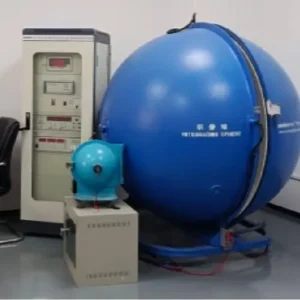
| درجة حرارة اللون | قياس درجة حرارة اللون في عدة نقاط على الشريط | يكتشف مشاكل التصنيف قبل الشحن |
| توحيد السطوع | فحص بصري وعداد شدة الإضاءة على كامل الطول | يحدد انخفاض الجهد أو الشرائح التالفة |
| قوة المادة اللاصقة | اختبار التقشير على ظهر 3M أو VHB | المادة اللاصقة الضعيفة تسبب سقوط الأشرطة بعد التركيب |
| سلامة مقاومة الماء | اختبار IP لكل مستوى تصنيف (الغمر للمستوى IP67 وما فوق) | يمنع الأعطال الميدانية في المواقع الخارجية أو الرطبة |
| وصلات اللحام | الفحص البصري تحت التكبير | الوصلات الباردة تسبب وميضاً وفشلًا متقطعًا |
| التعبئة والتغليف | التحقق من الملصقات الصحيحة، التغليف الواقي، حجم البكرة | يمنع تلف الشحن وارتباك الجمارك |
التخطيط لما هو غير متوقع
حتى مع أفضل مراقبة جودة، قد تحدث مشاكل. أضف فترة احتياطية من 2 إلى 3 أسابيع إلى جدول مشروعك. اطلب كمية إضافية بنسبة 10–15%. وابقَ على تواصل دائم مع المورد طوال عملية الإنتاج — وليس فقط عند الطلب والتسليم.
يستخدم فريقنا متتبع مشاريع مشترك مع العملاء، يتم تحديثه في الوقت الفعلي. بهذه الطريقة، يرى الطرفان بالضبط حالة الطلب. لا تخمينات. لا مفاجآت في اللحظة الأخيرة.
الواقع أن معظم مشاكل مراقبة الجودة والتأخير يمكن منعها. فهي ناتجة عن ضعف التواصل، المواصفات غير الواضحة، ونهج التوريد الذي يعامل كل طلب كمعاملة منفردة بدلاً من شراكة.
الاستنتاج
توريد شرائط LED بشكل جيد يعتمد على النظر إلى ما وراء ورقة البيانات. تحقق من المواد، اختبر العينات، أكد الشهادات، وابنِ عملية تكتشف المشاكل قبل وصولها إلى موقع عملك.
هوامش
- يشرح فوائد شرائط LED ذات الجهد العالي للتشغيل لمسافات أطول. ↩︎
- يعرّف مؤشر تجسيد اللون وأهميته في جودة الإضاءة. ↩︎
- يحدد المعيار لقياس اتساق لون مصابيح LED. ↩︎
- يشرح عملية فرز شرائح LED لضمان اتساق اللون. ↩︎
- يقدم شرحاً أساسياً للمقاومة الكهربائية. ↩︎
- يشرح ظاهرة انخفاض الجهد الكهربائي في الدوائر. ↩︎
- مصدر موثوق من إدارة التجارة الدولية يشرح علامة CE وشهادة المطابقة. ↩︎
- يقدم نظرة عامة على الشهادات الرئيسية للمنتجات الإلكترونية في مصر والاتحاد الأوروبي. ↩︎
- يشرح عملية وأهمية اختبارات التقادم لمنتجات LED. ↩︎
- يصف دور وفوائد عمليات التفتيش المستقلة لمراقبة الجودة. ↩︎

 English
 Spanish
 German
 Russian
 Arabic
 French
 Portuguese