
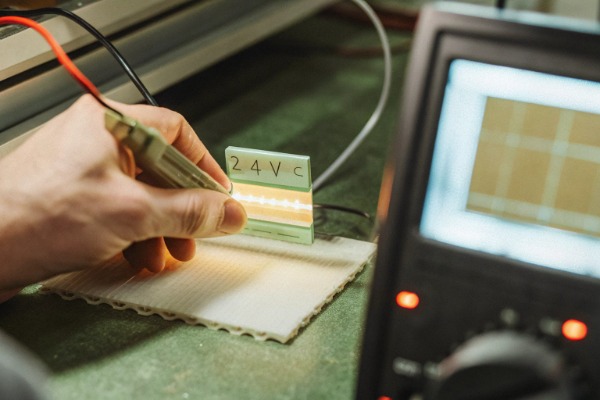
عندما نتعامل مع عشرات طلبات الهندسة حيث يسعى المشترون للحصول على أقل عرض سعر، ليواجهوا في النهاية أعمال إعادة تصحيح مكلفة بعد عدة أشهر.
لتحقيق التوازن بين التكلفة والجودة عند شراء شرائط إضاءة LED لمشاريع الهندسة، يجب إعطاء الأولوية للتكلفة الإجمالية للملكية بدلاً من سعر الوحدة. استثمر في منتجات معتمدة ومتسقة من مصنعين موثوقين، تفاوض على أسعار الجملة، وحدد المواصفات مبكرًا لتجنب تغييرات مكلفة أثناء المشروع وفشل بعد التركيب.
فيما يلي أشرح أربع تحديات شائعة يواجهها المشترون في الهندسة، وأشارك ما ينجح فعليًا على أرض الواقع.
كيف يمكنني ضمان ثبات اللون على المدى الطويل عبر مراحل المشروع المختلفة دون إنفاق مبالغ زائدة؟
تغير اللون بين الدفعات يمكن أن يدمر التركيب بالكامل إجمالي تكلفة الملكية 1. لقد رأينا مقاولين يزيلون الأسقف المنتهية لأن شرائط المرحلة الثانية لم تتطابق مع المرحلة الأولى.
لضمان ثبات اللون على المدى الطويل دون إنفاق زائد، اشترِ جميع المراحل من مصنع واحد باستخدام نفس دفعة LED، وحدد مواصفات CCT وCRI مسبقًا، واطلب كمية كبيرة لضمان دفعات موحدة بتكلفة أقل لكل وحدة.
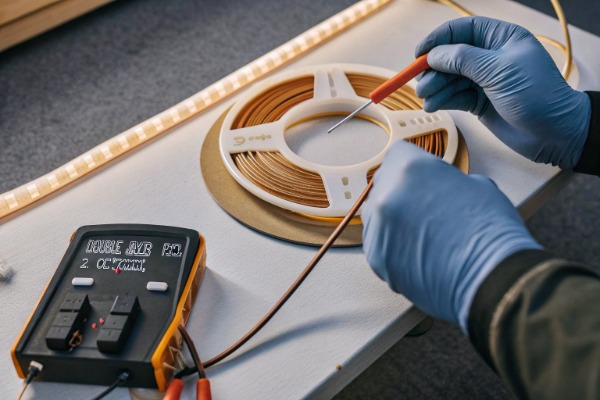
لماذا يحدث عدم ثبات اللون
رقائق LED تأتي من رقاقات، وكل رقاقة تنتج رقائق مع اختلافات طفيفة في درجة حرارة اللون والسطوع CE و RoHS 2. يقوم المصنعون بفرز هذه الرقائق إلى "دفعات". عندما تطلب من موردين مختلفين أو حتى دفعات مختلفة من نفس المورد دون تثبيت الدفعة، ستحصل على اختلافات واضحة عند التركيب جنبًا إلى جنب.
مهندسونا يختبرون كل بكرة مقابل عينة مرجعية قبل الشحن UL أو ETL لمصر 3. هذه الخطوة تضيف وقتًا لكنها تزيل المفاجآت في الموقع.
تكلفة الخطأ في التنفيذ
إعادة التصحيح في مشاريع الهندسة أمر قاسٍ. أنت لا تستبدل مصباحًا واحدًا فقط. بل تقوم بسحب الشرائط من القنوات الألومنيوم، وإعادة التوصيل، وترميم التشطيبات الكرات العاكسة 4. تكلفة العمالة وحدها قد تكون 5 إلى 10 أضعاف الفرق بين سعر الشريط الرخيص والشريط عالي الجودة.
كيفية تثبيت الثبات دون تجاوز الميزانية
إليك خطوات عملية:
- اطلب وثائق رمز الدفعة من المورد الخاص بك.
- اطلب كمية كافية من المواد لجميع المراحل دفعة واحدة، حتى لو كان التسليم متدرجًا.
- اطلب عينات احتفاظ من كل دفعة إنتاج.
- حدد تحمل بيضاوي ماكآدم 5 (3 خطوات أو أقل للعمل التجاري).
قائمة التحقق من مواصفات ثبات اللون
| معامل | خيار الميزانية | موصى به للهندسة |
|---|---|---|
| مُعَيْنَة ماكآدام | 5 خطوات أو غير محدد | 3 خطوات أو أقل |
| قفل رمز الصندوق | غير مضمون | مغلق حسب الطلب |
| CRI | 80+ | 90+ |
| تحمل درجة حرارة اللون | ±200 كلفن | ±100K |
| الاحتفاظ بالعينات | غير متوفر | يتم الاحتفاظ بها لمدة 12 شهرًا أو أكثر |
الطلب بالجملة من مصنع واحد هو أبسط طريقة للتحكم في الثبات والتكلفة في نفس الوقت. عند تقديم عرض أسعار لمشاريع متعددة المراحل، نقوم بحجز المواد من نفس دفعة الشرائح. هذا أقل تكلفة من تقديم عدة طلبات صغيرة لاحقًا.
ما هي الشهادات المحددة التي يجب أن أبحث عنها لضمان السلامة مع البقاء ضمن ميزانية مشروعي؟
الشهادات تربك العديد من المشترين. بعضهم يدفع مقابل علامات غير ضرورية. وآخرون يتجاهلون العلامات الهامة ويفشلون في الفحص.
في المشاريع الهندسية، يجب إعطاء الأولوية لشهادات CE وRoHS للأسواق الأوروبية، وشهادة SAA لأستراليا، وشهادات UL أو ETL لأمريكا الشمالية. يجب مطابقة الشهادات مع المتطلبات التنظيمية لسوقك المستهدف بدلاً من جمع كل العلامات الممكنة، مما يزيد التكاليف دون إضافة قيمة.

متطلبات الشهادات الخاصة بكل سوق
ليس كل مشروع يحتاج إلى كل الشهادات. عند تجهيز الطلبات لعملائنا في أستراليا، تكون شهادة SAA شرطاً أساسياً لا يمكن التنازل عنه. أما في ألمانيا، فشهادة CE والامتثال لـ RoHS هما الحد الأدنى من المتطلبات. دفع تكاليف إدراج UL على منتج مخصص فقط للاتحاد الأوروبي هو هدر للمال.
| السوق المستهدف | الشهادات المطلوبة | اختياري لكنه مفيد |
|---|---|---|
| مصر | SAA، RCM، RoHS | تقارير اختبار بمعيار IP |
| مصر / الاتحاد الأوروبي | CE، RoHS، REACH | TÜV، ENEC |
| شمال أفريقيا | UL أو ETL، FCC، RoHS | DLC (للحصول على الحوافز المالية) |
| الشرق الأوسط | CE، RoHS، مخطط CB | SASO (السعودية) |
كيف تؤثر الشهادات على التسعير
اختبارات الشهادات تكلف أموالاً. الحصول على شهادة UL كاملة لشريط إضاءة LED يمكن أن يكلف من 15,000 إلى 30,000 دولار ويستغرق عدة أشهر. يقوم المصنعون بتحميل هذه التكلفة على سعر المنتج. لهذا السبب تكون الشرائط المعتمدة أغلى سعراً—ولكن هذا يعني أيضاً أن المنتج قد تم اختباره بشكل مستقل من حيث السلامة الكهربائية، ومقاومة الحريق، وجودة المواد.
علامات حمراء يجب الانتباه لها
- الموردون الذين يدّعون "حاصلون على شهادة CE" لكن لا يمكنهم تقديم تقرير اختبار من مختبر معتمد.
- شهادات معلنة ذاتياً بدون تحقق من طرف ثالث.
- شهادات تذكر طراز منتج أو اسم شركة مختلف.
دائماً اطلب رقم الشهادة وتحقق منه بشكل مستقل. نحن نوفر حزم وثائق كاملة مع كل طلب هندسي، بما في ذلك تقارير الاختبار والشهادات ووثائق إعلان المطابقة. هذا يوفر وقت المشترين لدينا أثناء الموافقات على المشاريع.
النهج الذكي للميزانية
ركز إنفاقك على الشهادات التي يتطلبها السوق فعليًا. إذا كنت تقدم عرضًا لمشروع تجاري في القاهرة، فإن شهادة SAA إلزامية. شهادة CE غير ذات صلة بهذا العمل. معرفتك بذلك تمنعك من دفع مبالغ إضافية لشهادات لا تحتاجها.
كيف يمكنني التحقق من أن عملية مراقبة الجودة لدى المصنع تبرر تسعيرهم المتوسط إلى العالي؟
السعر وحده لا يخبرك شيئًا عن الجودة. السؤال الحقيقي هو ماذا يحدث بين استلام المواد الخام والتعبئة النهائية.
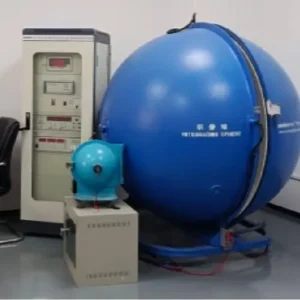
تحقق من جودة الشركة المصنعة بطلب وثائق العمليات، وزيارة المصنع أو طلب تدقيق بالفيديو، وفحص وجود معدات اختبار أثناء الإنتاج مثل كرات الدمج ومحطات اختبار العمر، وطلب تقارير اختبار الدُفعات مع بيانات قابلة للقياس عن التدفق الضوئي، ودرجة حرارة اللون، ومؤشر تجسيد اللون.
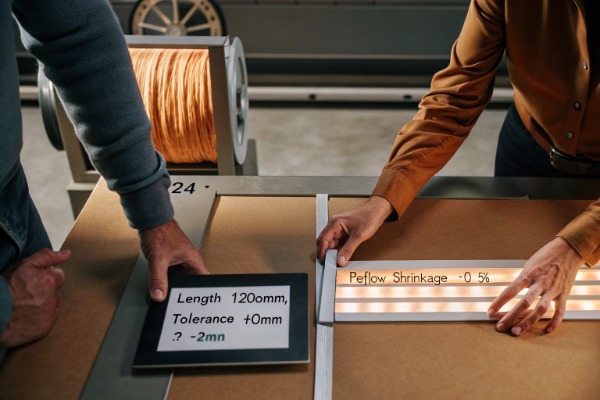
كيف تبدو مراقبة الجودة الجيدة فعليًا
مراقبة الجودة ليست مجرد فحص بصري نهائي. في منشأتنا، تبدأ مراقبة الجودة بفحص المواد الواردة. نختبر شرائح LED، سمك النحاس في PCB، قوة التصاق المادة اللاصقة، وجودة معجون اللحام قبل بدء الإنتاج. أثناء الإنتاج، يمر كل بكرة باختبار كرة الدمج و اختبار العمر التشغيلي 6. بعد الإنتاج، نقوم بأخذ عينات عشوائية لفحص سلامة العزل ضد الماء، واختبار المرونة، وفحص توحيد اللون.
نقاط مراقبة الجودة الرئيسية التي يجب السؤال عنها
| مرحلة مراقبة الجودة | ما الذي يجب التحقق منه | لماذا يهم الأمر |
|---|---|---|
| المواد الواردة | تقارير تصنيف شرائح LED، سمك النحاس في PCB | يمنع دخول المواد المعيبة إلى الإنتاج |
| SMT (اللحام السطحي) | فحص معجون اللحام، ملفات درجات حرارة إعادة التدفق | اللحام السيئ يسبب وميض LED وتعطلها |
| الاختبار أثناء الإنتاج | كرة تكاملية (لومن، درجة حرارة اللون، مؤشر تجسيد اللون لكل بكرة) | يكتشف انحرافات اللون والسطوع مبكرًا |
| اختبار الشيخوخة | تشغيل مستمر لمدة 8–24 ساعة عند القدرة المقدرة | يحدد الأعطال المبكرة قبل الشحن |
| الفحص النهائي | الفحص البصري، سلامة التغليف، دقة الملصقات | يضمن أن المنتج يطابق مواصفات الطلب |
| اختبار مقاومة الماء | التحقق من تصنيف IP (اختبارات الغمر، اختبارات الرش) | يؤكد مقاومة الظروف البيئية الواقعية |
أسئلة تكشف عن القدرة الحقيقية لمراقبة الجودة
اسأل المورد الخاص بك هذه الأسئلة:
- ما هو معدل العيوب لكل مليون وحدة؟
- هل يمكنك مشاركة تقرير اختبار دفعة عينة؟
- هل تمتلك كرة تكاملية أم أنك تعتمد على اختبار خارجي؟
- كيف تتعامل مع البكرات غير المطابقة للمواصفات - هل تعيد العمل أم تتخلص منها؟
- ما هي مدة اختبار التقادم وحالة التحميل لديك؟
المصنعون الذين يجيبون على هذه الأسئلة بثقة ويقدمون الوثائق يستحقون السعر الأعلى. أما الذين يترددون أو يقدمون إجابات غامضة فمن المرجح أنهم يتجاوزون المعايير.
العلاقة بين السعر والجودة
تسعير الفئة المتوسطة إلى العالية يعكس التكاليف الحقيقية: شرائح أفضل، ألواح دوائر نحاسية أكثر سماكة، خطوات اختبار أكثر، وموظفو مراقبة جودة مدربون. عندما نقدم عرض سعر لمشروع، يمكننا توضيح توزيع التكلفة بدقة. الشفافية في التسعير هي بحد ذاتها مؤشر على الجودة. إذا لم يستطع المورد شرح سبب تسعيره، فهذا مؤشر خطر.
هل يمكنني تقليل إجمالي تكاليف التركيب والصيانة من خلال اختيار حلول شرائط LED المخصصة ذات التشغيل الطويل؟
البكرات القياسية بطول 5 أمتار تعني المزيد من القطع، والمزيد من الموصلات، والمزيد من نقاط الفشل المحتملة. كل وصلة هي نقطة ضعف.
نعم، حلول شرائط LED المخصصة ذات التشغيل الطويل تقلل من إجمالي تكاليف التركيب والصيانة عن طريق تقليل وصلات اللحام والموصلات، وتقليل وقت العمل في الموقع، وإزالة انقطاعات الضوء المرئية—مما يوفر نتيجة أنظف مع عدد أقل من نقاط الفشل على مدى عمر المنتج.
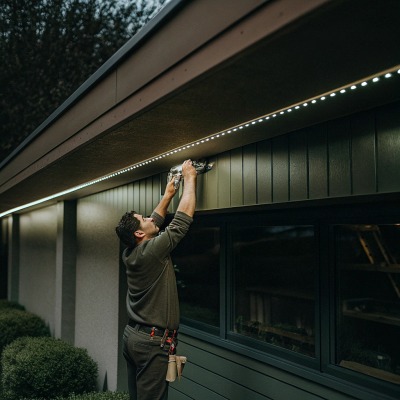
مشكلة الأطوال القياسية
تأتي معظم شرائط LED الجاهزة في بكرات بطول 5 أمتار. يتطلب تشغيل إضاءة مخفية بطول 30 مترًا ست بكرات، وخمس وصلات، ومحاذاة دقيقة لتجنب البقع الداكنة عند الوصلات. يضيف كل موصل مقاومة، ويزيد انخفاض الجهد 7 المخاطر، ويخلق نقطة فشل محتملة. على مدى عمر المبنى، تبدأ المشاكل من تلك الوصلات—مثل الوميض، أو تغير اللون، أو الفشل التام.
كيف تحل الشرائط المخصصة ذات التشغيل الطويل هذه المشكلة
يمكن لخط إنتاجنا إنتاج شرائط مستمرة بطول 20 أو 30 أو حتى 50 مترًا حسب الجهد والمواصفات. تعتبر الشرائط عالية الجهد (24 فولت، 48 فولت، أو تيار متردد 220 فولت) مناسبة بشكل خاص للتشغيل الطويل لأنها تعاني من انخفاض أقل في الجهد لكل متر.
مقارنة التكلفة: قياسي مقابل تشغيل طويل مخصص
لننظر في تركيب تجاري بطول 100 متر:
| عامل التكلفة | بكرات قياسية 5 متر (20 قطعة) | تشغيل مخصص 25 متر (4 قطع) |
|---|---|---|
| الموصلات المطلوبة | 19 | 3 |
| العمل في الموقع (ساعات) | 12-16 | 6-8 |
| نقاط الفشل | 19 | 3 |
| مكالمات الصيانة (تقديري 5 سنوات) | 4-6 | ٠–١ |
| التناسق البصري | متوسط (ظلال الوصلات) | عالي (بدون فواصل) |
| تكلفة الشريط المبدئية | أقل لكل متر | ١٠–١٥٪ أعلى لكل متر |
| إجمالي تكلفة ٥ سنوات | أعلى | أقل |
تكلفة الشرائط المخصصة الطويلة أعلى قليلاً لكل متر في البداية. لكن التوفير في العمالة والوصلات والصيانة وإعادة العمل يجعل التكلفة الإجمالية للمشروع أقل بكثير.
متى يكون الشريط الطويل المخصص هو الخيار المناسب
الحلول الطويلة مثالية لـ:
- إضاءة الكوف في الفنادق والمكاتب والمساحات التجارية.
- إضاءة الواجهات في المباني التجارية.
- هياكل مواقف السيارات والمخازن التي تتطلب خطوط إضاءة متواصلة.
- أي تركيب يصعب أو يكلف صيانته.
بالنسبة للتركيبات القصيرة أو المجزأة مثل إضاءة أسفل خزائن المطبخ، تعمل البكرات القياسية بشكل جيد. وتزداد قيمة التخصيص مع حجم المشروع وقيود سهولة الوصول.
التعامل مع المورد الخاص بك في التركيبات المخصصة
زود المورد بطول الشريط المطلوب بدقة، وأبعاد قناة التركيب، ومواقع مزودات الطاقة. نحن نوفر حلولاً مقطوعة حسب الطلب بأسلاك ملحومة مسبقاً وبكرات معنونة تتوافق مع تسلسل تركيبك. هذا يلغي التخمين في الموقع ويسرع عملية التركيب بشكل كبير.
الاستقرار أولاً، والتكلفة ثانياً. عندما يتعطل الشريط بعد التركيب، فإن تكلفة إعادة العمل تتجاوز بكثير ما وفرته في الشراء الأولي. الحلول الطويلة المخصصة هي أوضح مثال على دفع مبلغ أكبر قليلاً في البداية لتوفير كبير خلال دورة حياة المشروع.
الاستنتاج
تحقيق التوازن بين التكلفة والجودة في شراء شرائط LED يعتمد على مبدأ واحد: أعط الأولوية للاستقرار، ثم قم بتحسين التكلفة. تكلفة إعادة العمل الناتجة عن شريط معطل دائمًا تتجاوز التوفير الناتج عن شراء شريط أرخص.
هوامش
- توفر ويكيبيديا تعريفًا شاملاً وشرحًا لمفهوم التكلفة الكلية للملكية. ↩︎
- توضح العلامات الأوروبية الإلزامية للتوافق المتعلقة بسلامة المنتج والمواد الخطرة. ↩︎
- تستعرض الشهادات الأساسية المطلوبة لسلامة المنتجات في السوق المصري. ↩︎
- توفر ويكيبيديا شرحًا مفصلاً للكرات التكاملية وتطبيقاتها. ↩︎
- تشرح ويكيبيديا بيضاويات ماكآدام وأهميتها في ثبات اللون. ↩︎
- توضح الغرض وأهمية اختبارات التقادم لمصابيح الإضاءة LED. ↩︎
- تعرف ويكيبيديا انخفاض الجهد في الإلكترونيات وآثاره في الدوائر. ↩︎

 English
 Spanish
 German
 Russian
 Arabic
 French
 Portuguese