
فريقنا يتعامل مع العشرات من طلبات شرائط LED بالجملة وغالبًا ما تعود أسباب الفشل التي نراها إلى إهمال المواصفات أثناء الشراء.
تشمل المقاييس الحاسمة لشراء شرائط LED بالجملة السطوع لكل واط، كثافة LED، انحراف درجة حرارة اللون، معامل إعادة الإنتاج اللوني (CRI)، تصنيف IP، توافق الجهد، والامتثال المعتمد. تقييم هذه العوامل جنبًا إلى جنب مع اتساق مراقبة الجودة من قبل المورد والتكلفة الإجمالية للملكية يمنع فشل المشاريع المكلف ويضمن موثوقية الأداء على المدى الطويل.
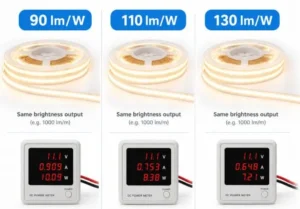
في الأسفل، أشرح كل عامل يميز بين تركيب سلس ونداء استدعاء كارثي. اللومنات لكل واط 1 دعونا نمر عبر اتساق اللون، منع انخفاض الجهد، متطلبات الشهادات، وتقييم الموردين—خطوة بخطوة.
كيف يمكنني ضمان اتساق اللون المثالي عبر طلبي بالجملة بالكامل؟
نقوم بشحن حاويات من شرائط LED إلى مصر وألمانيا بانتظام، وأهم شكوى نساعد المشترين على تجنبها هي عدم تطابق اللون المرئي بين اللفائف المثبتة بجانب بعضها البعض.
لضمان تناسق الألوان عبر الطلبات بالجملة، اطلب تصنيف LED دقيق (انحراف درجة حرارة اللون ±200K أو أقل)، واطلب ضمانات لنفس الدفعة من التصنيف من موردك، ودوماً قم باختبار لفات العينات من الدفعة الإنتاجية الفعلية قبل الموافقة على الشحنة الكاملة. تقارير الطيف من طرف ثالث تضيف طبقة أخرى من التحقق.
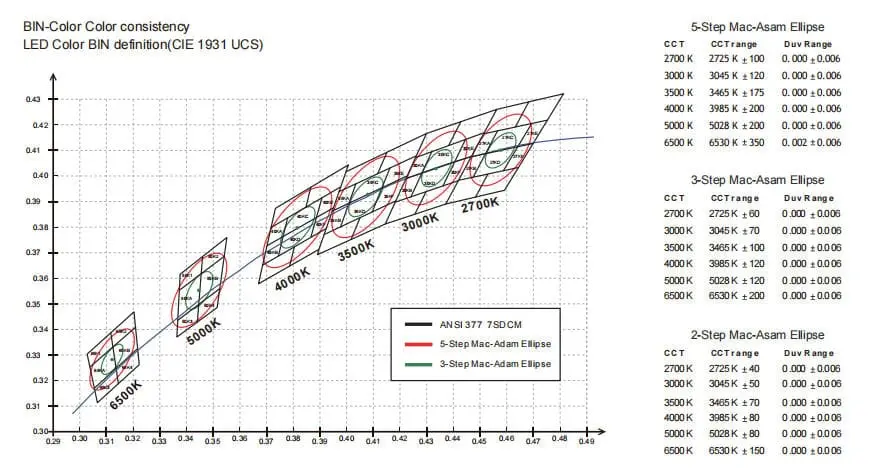
ما هو تصنيف LED ولماذا يهم؟
تخرج شرائح LED من خطوط الإنتاج مع اختلافات طفيفة في درجة حرارة اللون والسطوع. يقوم المصنعون بفرزها إلى "صناديق"—مجموعات من الشرائح ذات الخصائص المشابهة. الفرز غير الدقيق يعني تباينًا أوسع. الفرز الدقيق يكلف أكثر لكنه يوفر إضاءة موحدة.
بالنسبة للمشترين بالجملة، هذا ليس خيارًا. تخيل تركيب 200 متر من إضاءة الشريط عبر سقف تجاري. إذا جاءت اللفائف من صناديق مختلفة، ستحصل على بقع دافئة وباردة مرئية. يلاحظ العملاء ذلك. يتلقى المقاولون استدعاءات مرة أخرى. تفشل المشاريع في التفتيش.
معايير انحراف درجة حرارة اللون
| الدرجة | انحراف درجة حرارة اللون | الاستخدام النموذجي |
|---|---|---|
| المعيار التجاري | ±300 كلفن | إضاءة تزيينية بميزانية محدودة |
| درجة الهندسة | ±200 كلفن | التجزئة، الضيافة |
| ممتاز / معماري | ±100K | المتاحف، المساكن الفاخرة |
توصيتنا لأي تركيب بمستوى مشروع: أصر على ±200 كلفن أو أدق. اطلب من موردك تحديد إهليلج ماك آدم 2 الخطوة التي يضمنونها—SDCM من 3 خطوات هو معيار قوي للعمل الاحترافي.
اتساق CRI مهم أيضًا
مؤشر إعادة إنتاج الألوان 3 يخبرك بمدى دقة إظهار الضوء للألوان الحقيقية. للطلبات الكبيرة، تأكد من أن CRI يظل متسقًا عبر اللفات، وليس فقط داخل لفة واحدة.
| مستوى CRI | ملاءمة التطبيق |
|---|---|
| Ra ≥ 80 | تجاري عام |
| Ra ≥ 90 | واجهات العرض التجارية، الطعام، الفن |
| Ra ≥ 95 | المتاحف، استوديوهات التصوير الفوتوغرافي |
خطوات عملية لضمان الاتساق
- اطلب التزامًا بنفس الفئة في أمر الشراء الخاص بك.
- احصل على عينات ما قبل الإنتاج من دفعة الرقائق الفعلية.
- اشترط تقارير اختبار طيفي من طرف ثالث لكل دفعة.
- حدد معايير القبول كتابة قبل بدء الإنتاج.
- فحص عشوائي عند الوصول—استخدام مقياس طيف محمول على بكرات عشوائية.
شيء واحد أقول دائمًا لشركائنا: الاتساق لا يتعلق بلفة واحدة مثالية. بل يتعلق بكل لفة تتطابق مع الأخرى. هذا يتطلب التحكم في العملية على مستوى المصنع، وليس الحظ.
ما المواصفات الفنية التي يجب فحصها لمنع انخفاض الجهد في التركيبات طويلة المدى؟
عندما نطور حلول شرائط طويلة الأمد للمقاولين،, انخفاض الجهد 5 هو المشكلة التقنية الأكثر شيوعًا التي يتم التقليل من شأنها أثناء مرحلة التسعير.
لمنع انخفاض الجهد، تحقق من جهد التشغيل للشرائط (24 فولت أو 48 فولت للمددات الطويلة)، افحص وزن النحاس في لوحة الدوائر المطبوعة (عادة 2 أونصة أو 3 أونصة)، أكد على أقصى طول مسموح به من جدول بيانات الشركة المصنعة، وخطط لنقاط حقن الطاقة وفقًا لذلك. النحاس الأثقل والجهد الأعلى يقللان بشكل كبير من تلاشي السطوع مع المسافة.
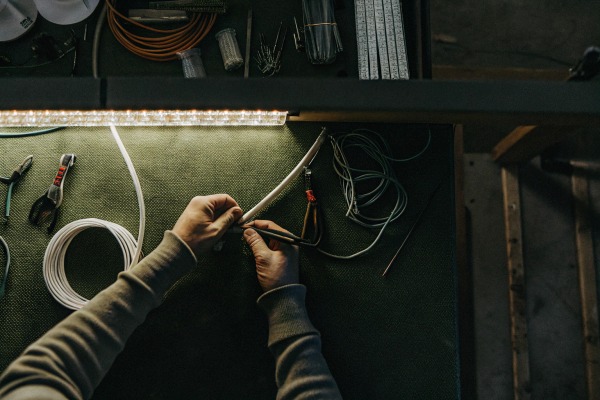
سبب حدوث انخفاض الجهد
شرائط LED هي أحمال مقاومية. مع تدفق التيار على طول مسارات النحاس على لوحة الدوائر المطبوعة، ينخفض الجهد مع المسافة. تتلقى المصابيح في الطرف البعيد جهدًا أقل. وزن النحاس 6 تخفت. تغيرات في اللون. يبدو التركيب غير متساوٍ.
هذه فيزياء، ليست عيبًا. لكنها قابلة للوقاية بالمواصفات الصحيحة.
مقارنة الجهد ووزن النحاس على لوحة الدوائر المطبوعة
| المواصفات | 12 فولت / أونصة نحاس واحدة | 24 فولت / أونصتان نحاس | 48 فولت / 3 أونصات نحاس |
|---|---|---|---|
| الحد الأقصى للتشغيل الفردي | 3–5 أمتار | 7–10 أمتار | 15–20 مترًا |
| انخفاض الجهد عند أقصى تشغيل | 10–15% | 5–8% | 3–5% |
| الأفضل لـ | تشغيلات قصيرة لللهجة | معظم المشاريع التجارية | ممرات طويلة، كهوف |
| التكلفة | الأدنى | منتصف | أعلى |
المواصفات الرئيسية التي يجب طلبها من المورد الخاص بك
- جهد التشغيل: 24 فولت تيار مستمر هو النقطة المثالية لمعظم الأعمال التجارية. 48 فولت تكتسب شعبية للمدارات الطويلة.
- وزن النحاس: الحد الأدنى 2 أونصة لأي شيء يزيد عن 5 أمتار. 3 أونصات للمدارات التي تتجاوز 10 أمتار.
- أقصى طول للمسار: يجب ذكر ذلك بوضوح في ورقة البيانات. إذا لم يكن موجودًا، اسأل.
- إرشادات حقن الطاقة: يوفر الموردون الجيدون مخططات توضح مكان تغذية الطاقة على المدارات الطويلة.
حجم القدرة ومصدر الطاقة
دائماً احسب إجمالي القدرة الكهربائية قبل اختيار مزودات الطاقة. خطأ شائع هو تحديد قدرة مزود الطاقة بدقة وفقًا للواط المقنن للشرائط. أضف هامش أمان 20%.
على سبيل المثال: شريط بقدرة 14.4 واط/متر بطول 10 أمتار = 144 واط. يجب أن يكون مزود الطاقة الخاص بك على الأقل 175 واط. هذا يطيل عمر مزود الطاقة ويمنع ارتفاع درجة الحرارة.
عامل COB
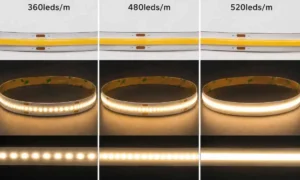
شرائط COB (رقاقة على لوحة الدوائر المطبوعة) أصبحت شائعة لأنها توفر إضاءة سلسة وخالية من النقاط. لكن زيادة كثافة الـ LED تعني استهلاك تيار أعلى لكل متر. هذا يجعل انخفاض الجهد أسوأ إذا لم تأخذ ذلك في الاعتبار. عند تحديد شرائط COB للمسافات الطويلة، دائمًا قم بزيادة إلى 24 فولت أو 48 فولت واستخدم لوحات دوائر مطبوعة من النحاس الأثقل.
فريق الهندسة لدينا دائمًا يوفر حاسبات طول التشغيل مع أوراق البيانات الخاصة بنا. إذا لم يفعل موردك ذلك، فهذه علامة حمراء.
ما هي الشهادات التي أحتاج للتحقق منها لتلبية متطلبات مناقصة مشروعي المحلية؟
لقد رأينا طلبات تتأخر في الجمارك وعروض تُرفض في اللحظة الأخيرة — كل ذلك لأن المشتري افترض أن الشهادات "قياسية" دون التحقق الفعلي من الوثائق. CE و RoHS 7
للمشاركة في المناقصات، تحقق من أن شرائط LED تحمل شهادات خاصة بالمنطقة: CE و RoHS للأسواق الأوروبية، SAA أو RCM لأستراليا، UL أو ETL لأمريكا الشمالية، و FCC للامتثال الكهرومغناطيسي. اطلب دائمًا الشهادات الأصلية مع أرقام الطراز المطابقة وتأكد من أن تصنيفات IP تتناسب مع بيئة التركيب.

متطلبات الشهادة حسب المنطقة
الأسواق المختلفة تتطلب علامات مختلفة. إليك مرجع سريع:
| السوق | الشهادات المطلوبة | ملاحظات |
|---|---|---|
| الاتحاد الأوروبي / مصر | CE، RoHS، REACH | RoHS إلزامي؛ REACH للامتثال الكيميائي |
| مصر | RCM (سابقًا SAA + C-Tick) | السلامة الكهربائية + التوافق الكهرومغناطيسي معًا |
| شمال أفريقيا | UL / ETL، FCC | يفضل وجود قائمة UL للعروض التجارية |
| UK | UKCA، RoHS | بديل بعد خروج بريطانيا من الاتحاد الأوروبي عن CE |
| الشرق الأوسط | SASO، EER | تصنيفات كفاءة الطاقة أصبحت مطلوبة بشكل متزايد |
ما بعد العلامة: تحقق من الأوراق الرسمية
علامة CE على المنتج لا تعني شيئًا إذا لم تتمكن من تقديم إعلان المطابقة وتقارير الاختبار الداعمة أثناء مراجعة العطاء. إليك ما يجب طلبه:
- تقارير الاختبار الأصلية من مختبرات معتمدة (ISO 17025).
- شهادة المطابقة مع رقم الموديل الدقيق الخاص بك المدرج — وليس شهادة عائلية عامة.
- تقرير اختبار تصنيف IP إذا كانت المواصفات تتطلب IP65 أو أعلى.
- توثيق عامل القدرة— العديد من المواصفات التجارية تتطلب الآن PF ≥ 0.9.
تصنيفات IP: تطابق البيئة
IP20 مناسب للمداخل الداخلية الجافة. IP65 يتحمل الرطوبة والغبار. IP67 أو IP68 مطلوب للتطبيقات الخارجية على مستوى الأرض أو القابلة للغمر. تحديد المواصفات الخاطئة تصنيف IP 8 يمكن أن يبطل الضمانات ويفشل في عمليات التفتيش.
خطأ مكلف شائع
بعض المشترين يختارون أرخص الشرائط ويخططون لـ "معرفة الشهادات لاحقًا". هذا النهج يفشل. التحديث ليصبح متوافقًا مكلف وأحيانًا مستحيل. نوصي دائمًا بتأكيد متطلبات الشهادة قبل الطلب الأول للعينة — وليس بعد وصول الحاويات إلى المياه.
إذا كانت وثيقة عرض المشروع الخاصة بك تتضمن معايير محددة مثل IEC 62031 أو EN 61347، شارك تلك المراجع مباشرة مع موردك. سيؤكد المورد القادر الامتثال على الفور أو يحدد الثغرات مبكرًا.
كيف أقيّم عملية مراقبة الجودة وقدرة التخصيص لدى المورد لعلامتي التجارية الخاصة؟
على مدى السنوات القليلة الماضية، قام فريقنا بتكوين شراكات مع علامات تجارية خاصة التي أخبرتنا عن قصص رعب حول الموردين السابقين—تم شحن درجات حرارة لون خاطئة، وطُبعت الملصقات بشكل غير صحيح، وعدم تحمل المسؤولية بعد الدفع.
قيم الموردين من خلال تدقيق عملية مراقبة الجودة لديهم في أربع مراحل: فحص المواد الواردة، فحوصات الإنتاج أثناء الخط، اختبار الدفعة النهائية مع تقارير الطيف والكهربائية، والتحقق من التعبئة والتغليف. بالنسبة للعلامة الخاصة، تأكد من قدرتهم على التخصيص في الأطوال، والتعبئة ذات العلامة التجارية، والنماذج الأولية ذات الحد الأدنى للطلب، وجدولة الإنتاج المخصصة لتجنب التلوث المتبادل بين الطلبات.
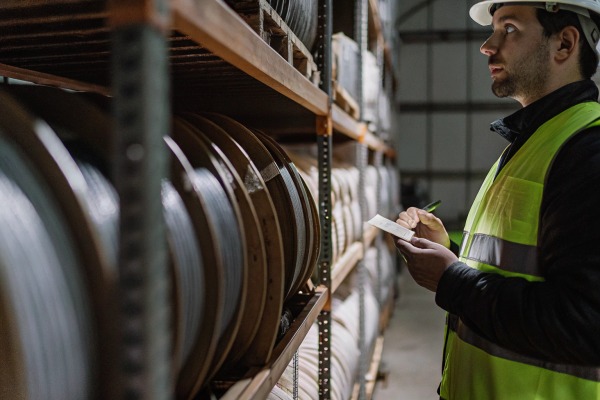
إطار عمل مراقبة الجودة ذو الأربع مراحل
المورد الموثوق لا يختبر فقط في النهاية. يجب السيطرة على الجودة في كل مرحلة.
المرحلة 1: فحص المواد الواردة. فحص صناديق شرائح LED، جودة نحاس لوحة الدوائر المطبوعة، مواصفات الشريط اللاصق، ومكونات الموصل قبل دخولها إلى الخط. هنا تبدأ الثباتية.
المرحلة 2: فحوصات أثناء الإنتاج. أثناء وضع المكونات على سطح اللحام واللحام، يلتقط المراقبة في الوقت الحقيقي عدم التوافق، والتوصيلات الباردة، وقيم المقاومات غير الصحيحة. العينة العشوائية في هذه المرحلة تمنع حدوث أخطاء في الدفعات بأكملها.
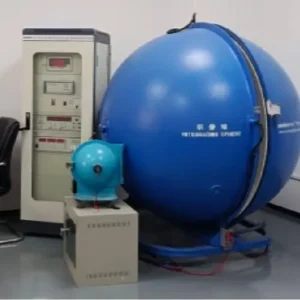
المرحلة 3: اختبار الدفعة النهائية. يجب اختبار كل بكرة للجهد، واستهلاك التيار، ودرجة الحرارة اللونية، وCRI، والسطوع. يوفر المورد الجيد بيانات اختبار طيفية — وليس فقط ختم النجاح أو الفشل.
المرحلة 4: التحقق من التعبئة والتغليف. للمشترين بعلامة خاصة، تؤكد هذه الخطوة على صحة الملصقات، والرموز الشريطية، واللغة، ومواد التعبئة. يمكن أن يتسبب ملصق غير مطبوع بشكل صحيح في تأخير توزيعك بالكامل.
ما الذي يجب أن تسأل عنه أثناء تقييم المورد
- هل يمكنك مشاركة قائمة فحص مراقبة الجودة وسجلات التفتيش من طلب حديث؟
- هل لديك معدات اختبار طيفي داخلية، أم تعتمد على طرف ثالث؟
- ما هو معدل العيوب لديك خلال الأشهر الاثني عشر الماضية؟
- هل يمكنني زيارة المصنع أو ترتيب تدقيق من طرف ثالث؟
- ماذا يحدث إذا فشلت دفعة في مراقبة الجودة — هل تعيد العمل أو تتخلص منها؟
قائمة فحص قدرة التخصيص
ليس كل مصنع يمكنه التعامل مع العمل الخاص بالعلامة التجارية الحقيقية. إليك ما يجب التحقق منه:
- أطوال مخصصة: هل يمكنهم القطع والتوصيل وفقًا لمواصفاتك الدقيقة؟
- درجة حرارة اللون أوCRI مخصصة: هل يمكنهم توفير سلالات LED محددة عند الطلب؟
- عبوات ذات علامة تجارية: هل لديهم طباعة داخلية، أم يقومون بالاستعانة بمصادر خارجية؟
- مرونة الحد الأدنى للطلب: للنماذج الأولية أو الطلبات التجريبية، هل يمكنهم استيعاب 50–100 متر بدلاً من 500؟
- مدة التسليم للطلبات المخصصة: من 2 إلى 3 أسابيع للعينات، ومن 3 إلى 4 أسابيع للإنتاج يعتبر معقولًا.
- دفعات إنتاج مخصصة: يجب ألا يشارك طلب علامتك التجارية الخاصة في دفعة إنتاج مع طلب علامة تجارية أخرى. يحدث التلوث العابر—ملصقات خاطئة، سلالات خاطئة—عندما يخلط المصانع الطلبات.
تفكير في التكلفة الإجمالية للملكية
أرخص عرض سعر نادرًا ما يكون النتيجة الأرخص. ضع في الاعتبار:
- تكاليف الشحن والجمركة
- تكلفة الطاقة على مدى عمر المنتج من 30,000 إلى 50,000 ساعة
- معدلات مطالبات الضمان وتكاليف الاستبدال
- تكلفة وقتك في إدارة قضايا الجودة
المورد الذي يفرض رسومًا أكثر بمقدار 10% ولكنه يسلم دفعات خالية من العيوب مع توثيق كامل يوفر لك المال على المدى الطويل. هذا هو المبدأ الذي نبني عليه كل شراكة—الاستقرار، الاتساق، والسيطرة على المدى الطويل.
الاستنتاج
شراء شرائط LED بالجملة يعتمد على جودة قابلة للتحكم ومتكررة — وليس مجرد عينة جيدة واحدة. ركز على التصنيف، مواصفات الجهد، الشهادات، وفحص الجودة من قبل المورد لحماية كل مشروع.
هوامش
- يشرح فعالية LED، وكفاءته في استهلاك الطاقة، وتأثيره على التكاليف. ↩︎
- تم استبداله بموسوعة ويكيبيديا لشرح موثوق حول دوائر ماكادم وأهميتها للرؤية اللونية واتساق ألوان LED. ↩︎
- يعرف CRI ودوره في الكشف بدقة عن الألوان الحقيقية تحت الضوء الاصطناعي. ↩︎
- يعرف تصنيف LED وأهميته في تحقيق توازن الألوان في التصنيع. ↩︎
- يشرح أسباب وتأثيرات انخفاض الجهد في تركيب شرائط LED. ↩︎
- يوضح كيف يؤثر وزن نحاس لوحة الدوائر المطبوعة على التوصيل الكهربائي وإدارة الحرارة. ↩︎
- يشرح هدف ومتطلبات شهادات CE و RoHS للمنتجات في مصر. ↩︎
- يعرف تصنيفات IP للحماية من دخول الأجسام الصلبة والسوائل. ↩︎

 English
 Spanish
 German
 Russian
 Arabic
 French
 Portuguese