
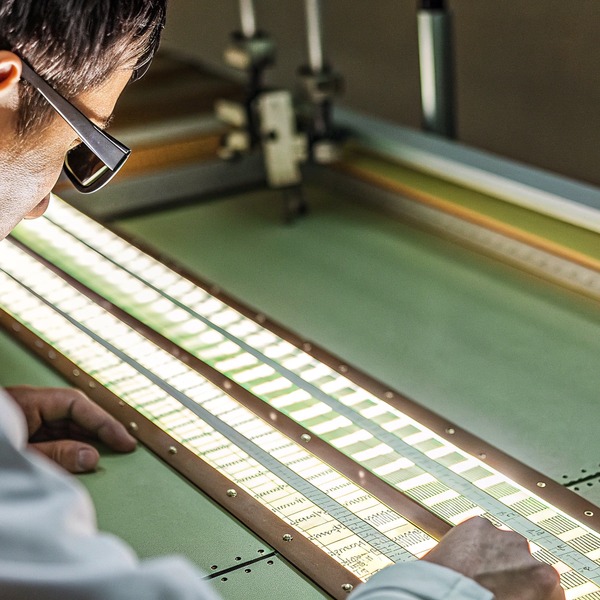
نحصل عادةً على نفس السؤال من العملاء عند تقديم الطلبات: هل يجب أن أختار شرائط LED بلون واحد أم الأبيض القابل للتعديل؟
تقدم شرائط LED ذات اللون الواحد إضاءة ثابتة ومتسقة عند درجة حرارة لون واحدة، مما يجعلها موثوقة وملائمة للميزانية. تتيح لك شرائط الأبيض القابل للتعديل التبديل بين درجات حرارة دافئة (2700K) وباردة (6500K)، مما يوفر مرونة للمزاج والإنتاجية وإضاءة الإيقاع اليومي — ولكن بتكلفة أعلى وتعقيد أكبر.
هذا الاختيار يشكل مشروعك بالكامل — من الميزانية ووقت التركيب إلى رضا العميل متطلبات الإضاءة التي تركز على الإنسان 1. أدناه، أشرح نقاط القرار الرئيسية حتى تتمكن من اختيار الشريط المناسب لكل مهمة بثقة.
كيف أحدد ما إذا كانت مرونة الأبيض القابل للتعديل تبرر التكلفة الإضافية لمشروعي؟
عندما نقدم عروض أسعار للمشاريع لتجار الجملة في مصر، تكون هذه هي المحادثة الأولى التي نجريها تحملات تصنيف LED 2. الفجوة في التكلفة حقيقية، وليس كل مشروع يحتاج إلى الأبيض القابل للتعديل.
الأبيض القابل للتعديل يبرر التكلفة الإضافية عندما يتضمن مشروعك مساحات متعددة الأغراض، ومتطلبات إضاءة تركز على الإنسان، أو عملاء يطلبون تحكم ديناميكي في الجو. بالنسبة للمناطق ذات الاستخدام الثابت مثل الخزائن، والتخزين، أو المناطق ذات المهمة الواحدة، تقدم شرائط اللون الواحد أداءً مماثلاً بتكلفة أقل بكثير.
تحليل الفرق في التكلفة
الفجوة السعرية بين اللون الواحد والأبيض القابل للتعديل ليست فقط عن شريط LED نفسه اختبار مقياس الطيف الضوئي 3. عليك أن تأخذ في الاعتبار وحدة التحكم، والأسلاك، ووقت البرمجة. تحتاج شرائط اللون الواحد إلى مخفض إضاءة بسيط بقناة واحدة التجزئة والضيافة 4. تتطلب شرائط الأبيض القابل للتعديل وحدة تحكم ذات قناة مزدوجة أو حتى خمس قنوات، اعتمادًا على ما إذا كانت ميزات RGBCCT مدمجة. وحدة تحكم ذات قناة مزدوجة أو خمس قنوات 5 هذه الوحدة وحدها يمكن أن تضيف من 20 إلى 40% إلى تكلفة نظامك الإجمالية.
إليك مقارنة مبسطة نشاركها مع عملائنا خلال مرحلة العرض:
| عامل التكلفة | شريط لون واحد | شريط أبيض قابل للضبط |
|---|---|---|
| سعر الشريط لكل متر | أدنى (الأساسي) | 30–50% أعلى |
| وحدة التحكم | مخفت بسيط (قناة واحدة) | وحدة تحكم ثنائية القناة أو بخمس قنوات |
| تعقيد التوصيل الكهربائي | سلكين قياسيين | ثلاثة أسلاك أو أكثر |
| عمالة التركيب | المعيار | 15–25% مزيد من الوقت |
| تكامل المنزل الذكي | اختياري | غالبًا ما يُتوقع |
| التكلفة الإجمالية للنظام | الأساس | 40–70% أعلى بشكل عام |
عندما يكون التكلفة الإضافية منطقية
من خبرتنا في التصدير إلى مصر، غالبًا ما يجد مقدمو المشاريع في الضيافة، الرعاية الصحية، أو السكن الفاخر أن الأبيض القابل للضبط يبرر تكلفته. لافتة فندق تتغير من الأبيض البارد المنشط في الصباح إلى العنبر الدافئ في المساء تخلق تجربة لا تُنسى للضيوف. مكتب منزلي يضبط من 5000 كلفن خلال ساعات العمل إلى 2700 كلفن بعد العشاء يدعم بشكل مباشر رفاهية المقيم.
لكن الحقيقة الصادقة هي: إذا كان المكان له غرض واحد — مثل إضاءة ممر المستودع، إضاءة المهام تحت الخزائن في مطبخ تجاري، أو إضاءة ديكور الكوب التي دائمًا تكون بنفس اللون الدافئ — فإن الأبيض القابل للضبط مبالغ فيه. تدفع أكثر، وتثبت أكثر، وتخلق نقاط فشل محتملة أكثر.
اطرح ثلاثة أسئلة قبل أن تقرر
- هل سيقوم المستخدم النهائي فعلاً بضبط درجة حرارة اللون؟ إذا لم يكن كذلك، فإن اللون الواحد هو الخيار الأفضل.
- هل يخدم الفضاء وظائف متعددة في أوقات مختلفة من اليوم؟ إذا كانت الإجابة نعم، فإن الأبيض القابل للتعديل يضيف قيمة حقيقية.
- هل العميل مستعد لدفع ثمن وحدة التحكم والتكامل الذكي؟ إذا كانت الميزانية محدودة، فإن اللون الأحادي يتجنب زيادة النطاق.
الميزة نفسها مثيرة للإعجاب. لكن الميزات فقط مهمة عندما يستخدمها شخص ما. نصيحتنا دائمًا أن تبدأ من حالة الاستخدام، وليس من ورقة المواصفات.
ما هي التحديات الفنية التي يجب أن أتوقعها عند تركيب شرائط الضوء الأبيض القابل لضبطه مقارنة بشرائط الألوان المفردة القياسية؟
لقد شاهد فريق الهندسة لدينا مئات تقارير التركيب التي تعود من المقاولين في مصر وأستراليا. النمط واضح: الأبيض القابل للتعديل يُدخل تعقيدًا لا يوجد في اللون الأحادي ببساطة.
تركيبات الأبيض القابل للتعديل تتطلب أسلاك ذات قناتين، ووحدات تحكم متعددة القنوات متوافقة، وحسابات طاقة أكثر تعقيدًا، ومطابقة بروتوكول الإشارة. الشرائط ذات اللون الأحادي تستخدم أسلاك بسيطة ذات قناة واحدة ومخفتات أساسية، مما يجعلها أسرع في التركيب وأقل عرضة للمشاكل التقنية في الموقع.
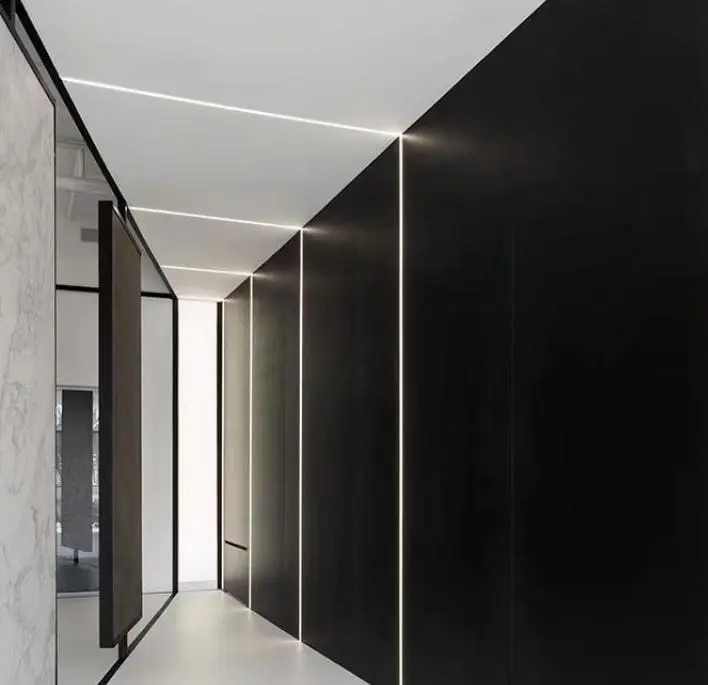
متطلبات الأسلاك والقنوات
الشرائط ذات اللون الأحادي هي أبسط تركيب LED ممكن. سلكان. قناة واحدة. مخفت واحد. ينتهي الكهربائي بسرعة وينتقل إلى التالي.
الشرائط البيضاء القابلة للتعديل تحتاج إلى ثلاثة أسلاك على الأقل — واحد مشترك واثنين من القنوات المنفصلة للـ LEDs الدافئة والباردة. إذا كنت تستخدم شرائط RGBCCT، فستحتاج إلى خمسة أو ستة أسلاك. كل سلك إضافي يزيد من فرصة خطأ في الأسلاك، خاصة في المسارات الطويلة أو عند قطع الشرائط وإعادة توصيلها في الموقع.
مطابقة وحدة التحكم والبروتوكول
هذا هو المكان الذي يخطئ فيه العديد من التركيبات. يجب أن تتطابق وحدة التحكم مع عدد قنوات الشريط والبروتوكول. الشريط ذو اللون الأحادي يعمل مع تقريبًا أي مخفت PWM. الشرائط البيضاء القابلة للتعديل تتطلب وحدات تحكم يمكنها معالجة القنوات الدافئة والباردة بشكل مستقل. إذا كان عميلك يستخدم نظام منزل ذكي مثل KNX، DALI، أو Zigbee 6, ، يجب أن تتصل وحدة التحكم بذلك البروتوكول أيضًا.
نوصي دائمًا بالتأكيد على التوافق قبل الشحن. عندما نجهز طلبات OEM، نختبر الشريط مع وحدة التحكم المقصودة في مختبرنا. هذه الخطوة الإضافية تزيل معظم فشل الميدان.
حجم مصدر الطاقة
الشرائط البيضاء القابلة للتعديل تستهلك الطاقة عبر قناتين من LED. عند أقصى خرج (كلا الدافئ والبارد بكامل السطوع لنقطة وسطية محايدة)، يمكن أن يكون استهلاك الطاقة أعلى بكثير من تشغيل شريط لون واحد بكامل السطوع. العديد من المثبتين يقللون من حجم مصدر الطاقة لأنهم يحسبون بناءً على قناة واحدة. هذا يسبب التعتيم، والوميض، أو فشل السائق المبكر.
| العامل الفني | لون واحد | الأبيض القابل للضبط |
|---|---|---|
| الأسلاك | سلك واحد (بسيط) | الحد الأدنى لثلاثة أسلاك |
| قنوات المتحكم | 1 | 2–5 |
| توافق البروتوكول | PWM عالمي | يجب أن يتطابق (PWM، DALI، DMX، Zigbee، إلخ.) |
| تحديد حجم مصدر الطاقة | سهل الفهم | يجب أن يأخذ في الاعتبار ذروة السحب للقناتين |
| القص الميداني وإعادة الاتصال | سهل | يتطلب محاذاة دقيقة للقنوات |
| تعقيد استكشاف الأخطاء وإصلاحها | منخفض | معتدل إلى عالي |
انخفاض الجهد في المسارات الطويلة
انخفاض الجهد الكهربائي 7 هو بالفعل مصدر قلق مع شرائط اللون الواحد على المسارات الطويلة. مع الأبيض القابل للتعديل، يتضاعف المشكلة لأن لديك قناتين يمكن أن ينخفضا بمعدلات مختلفة. إذا انخفضت القناة الدافئة أكثر من القناة الباردة على مسافة 10 أمتار، فإن درجة حرارة اللون عند الطرف البعيد تتغير بشكل ملحوظ. هذه مشكلة حقيقية نسمع عنها من المقاولين الذين يقومون بإضاءة الممرات أو الكواسر في المساحات التجارية الكبيرة.
الحل هو نقاط حقن الطاقة المناسبة واستخدام مقطع سلك متناسق. نوفر جداول حساب انخفاض الجهد مع كل طلب من الدرجة الاحترافية، لكن لا يزال على المثبت اتباعها.
رأيي الصادق
إذا كنت مرتاحًا مع تركيب مصابيح LED الأساسية، فإن الأبيض القابل للضبط سهل الإدارة. ولكن إذا كانت فريق التركيب الخاص بك معتادًا على لون واحد فقط، فتوقع منحنى تعلمي. خصص وقتًا إضافيًا للمشاريع الأولى للأبيض القابل للضبط. اختبر كل شيء على منصة قبل تركيبه في فتحة سقف حيث الوصول محدود.
كيف يمكنني ضمان اتساق درجة حرارة اللون عبر دفعات مختلفة لتركيباتي عالية الجودة؟
هذه نقطة ألم نسمع عنها باستمرار. أحد شركائنا الأستراليين، موزع بعلامة خاصة، كان لديه مشروع حيث كانت دفعتان من شرائط الأبيض الدافئ تظهران اختلافًا واضحًا عند تثبيتهما جنبًا إلى جنب في ممر فندق. تلك الحادثة الوحيدة كلفت أسابيع من إعادة العمل وتضرر كبير في الثقة مع العميل النهائي.
لضمان اتساق درجة حرارة اللون عبر الدفعات، حدد حدود ضبط LED ضيقة (داخل بيضاوي ماكادم بمقدار 2-3 خطوات)، واطلب لفات مطابقة للدفعة، وتعاون مع مورد يجري اختبار مقياس الطيف على كل عملية إنتاج. بالنسبة للأبيض القابل للتعديل، يجب أن ينطبق التحكم في الاتساق بشكل مستقل على كل من القنوات الدافئة والباردة للـ LED.
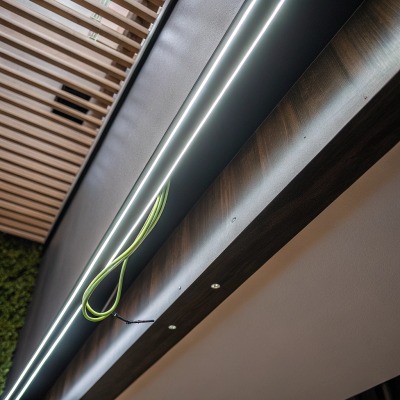
ما الذي يسبب تباين الدفعات؟
الـ LED هي أجهزة أشباه موصلات. حتى على نفس الرقاقة، تختلف الشرائح الفردية قليلاً في درجة حرارة اللون، السطوع، والجهد الأمامي. يصنف مصنعو الـ LED الشرائح إلى "صناديق" بناءً على الأداء المقاس. كلما كانت الصناديق أكثر ضيقًا، كانت النتائج أكثر اتساقًا، وتكون التكلفة أعلى.
بالنسبة للأشرطة ذات اللون الواحد، تحتاج فقط إلى صندوق واحد للمطابقة: الـ LED الأبيض الأحادي. بالنسبة للأشرطة البيضاء القابلة للتعديل، تحتاج إلى صندوقين للمطابقة — الدافئ والبارد — عبر كل لفة وكل دفعة. هذا يضاعف تحدي الاتساق.
مبادئ معايير التصنيف
المعيار الصناعي للاتساق اللوني هو إهليلج ماك آدم 8. بيضاوي ماكادم خطوة واحدة يعني أن الفرق في اللون غير مرئي تقريبًا للعين البشرية. معظم الـ LEDs ذات الجودة التجارية تقع ضمن نطاق 3-5 خطوات. للتركيبات عالية الجودة، تريد حد أقصى من 2-3 خطوات.
| خطوة بيضاوي مكدوم ماك آدم | القدرة على الإدراك | حالة الاستخدام النموذجية |
|---|---|---|
| خطوة واحدة | غير ملحوظ | مختبر / مرجعي |
| خطوتين | بالكاد ملحوظ | الفنادق الراقية، المتاحف |
| ثلاث خطوات | فرق بسيط مرئي للعين المدربة | السكن الفاخر، التجزئة |
| خمس خطوات | مرئي بوضوح جنبًا إلى جنب | تجاري قياسي |
| أكثر من 7 خطوات | تفاوت واضح | إضاءة الميزانية / الإضاءة المفيدة |
عندما نقوم بتشغيل الإنتاج للعملاء الذين يملكون علامة تجارية خاصة، نقفل رمز حاوية LED في مرحلة توريد المكونات. كل بكرة في طلب معين تأتي من نفس الحاوية. إذا جاء طلب متابعة بعد ستة أشهر، نطابقه مع رمز الحاوية الأصلي أو نبلغ العميل إذا لم يعد الحاوية متوفرة بدقة حتى يتمكن من التخطيط وفقًا لذلك.
خطوات عملية للمحددون والمشترين
- اطلب رمز الحاوية وتقارير الاختبار. أي مصنع جاد يمكنه توفير هذه البيانات. إذا لم يتمكنوا، فهذه علامة حمراء.
- اطلب كمية كافية للمشروع بالكامل بالإضافة إلى 10–15 قطعة احتياطية. مطابقة طلب تكميلي صغير بعد شهور دائمًا أصعب من طلب إضافي مقدمًا.
- حدد متطلبات التناسق الخاصة بك كتابةً. ضع "الحد الأقصى لثلاث خطوات ماكآدام" في أمر الشراء الخاص بك. هذا يمنحك نفوذ تعاقدي.
- بالنسبة للضوء الأبيض القابل للتعديل، فحص كلا القناتين. يمكن أن تبدو بكرة جيدة عند 3000 كلفن ولكنها تتغير بشكل ملحوظ عند 5000 كلفن إذا كانت مصابيح القناة الباردة من حاوية أوسع.
- استخدم جهاز قياس الطيف عند استلام البضائع. حتى الجهاز المحمول يلتقط الانحرافات الكبرى قبل أن تذهب الشرائط إلى موقع العمل.
لماذا هذا مهم أكثر للضوء الأبيض القابل للتعديل
مع اللون الواحد، تقوم بضبطه وتنساه. قد لا يلاحظ أحد تفاوتًا صغيرًا لأنه يتكيف العين. مع الضوء الأبيض القابل للتعديل، يغير المستخدمون درجة حرارة اللون بنشاط. إذا بدا قسم من التركيب ورديًا عند 4000 كلفن بينما يبدو قسم آخر أخضرًا، فإن عدم الاتساق يصبح من المستحيل تجاهله. الطبيعة الديناميكية للضوء الأبيض القابل للتعديل تعزز أي تفاوت في الحاوية.
هذا هو السبب بالضبط في أن عملية مراقبة الجودة لدينا لطلبات الضوء الأبيض القابل للتعديل تتضمن قياسات طيفية منفصلة عند 2700 كلفن، 4000 كلفن، و6500 كلفن لكل دفعة إنتاج. يستغرق الأمر وقتًا أكثر، لكنه يمنع فشل الميدان الذي يدمر سمعة المشروع.
أي حل إضاءة سيلبي بشكل أفضل متطلبات عميلك الخاصة للمزاج والإنتاجية؟
عندما نجلس مع شركة تصميم لتحديد مواصفات مشروع، يعود الحديث دائمًا إلى شيء واحد: ماذا يحتاج المكان أن يفعل للناس بداخله؟
بالأماكن التي يجب أن يتعايش فيها المزاج والإنتاجية—مكاتب المنزل، أجنحة الضيافة، مناطق المعيشة المفتوحة—اللون الأبيض القابل للتعديل هو الخيار الأفضل لأنه يكيف الإضاءة مع النشاط ووقت اليوم. أما الأماكن ذات الغرض الواحد حيث الهدف هو الجو المستمر، فإن شرائط اللون الواحد تقدم نتائج موثوقة بدون تعقيد إضافي.
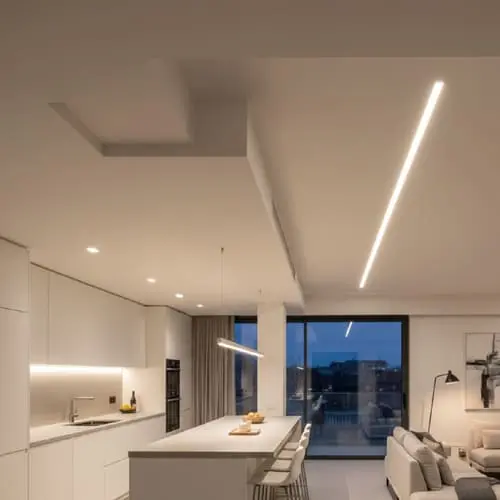
العلم وراء الضوء والأداء البشري
يؤثر الضوء على جسم الإنسان أكثر من مجرد الرؤية الواضحة. الضوء الأبيض البارد (5000K–6500K) يُثبط الميلاتونين 9 ويعزز اليقظة. الضوء الأبيض الدافئ (2700K–3000K) يدعم الاسترخاء ويجهز الجسم للنوم. هذا هو أساس إضاءة الإيقاع اليومي 10, ، وهو ليس خدعة تسويقية—إنه علم الأحياء موثّق جيدًا.
شرائط اللون الأبيض القابل للتعديل تدعم مباشرة هذا الدورة. يمكن لتركيب واحد أن يوفر نغمات النهار المنشطة في الساعة 8 صباحًا ونغمات الدفء المهدئة في الساعة 8 مساءً. شرائط اللون الواحد لا يمكنها فعل ذلك إلا إذا قمت بتركيب نظامين منفصلين—واحد دافئ، وواحد بارد—وتبديل بينهما يدويًا.
توصيات لكل غرفة على حدة
ليست كل غرفة تستفيد بشكل متساوٍ من اللون الأبيض القابل للتعديل. إليك كيف ننصح عادة عملائنا:
مكاتب المنزل ومساحات العمل: يوصى بشدة باللون الأبيض القابل للتعديل. الأبيض البارد خلال ساعات التركيز والأبيض الدافئ خلال فترات الاستراحة أو الاسترخاء المسائي يؤثر مباشرة على الإنتاجية والراحة.
غرف المعيشة والمناطق المخصصة للطعام: يتميز هنا اللون الأبيض القابل للتعديل. هذه المساحات متعددة الأغراض تتحول من الاستخدام النهاري النشط إلى التجمعات المسائية المريحة. القدرة على تغيير جو الإضاءة دون تغيير التركيب هو نقطة بيع رئيسية للمستخدمين النهائيين.
المطابخ (إضاءة المهام): اللون الواحد (محايد إلى أبيض بارد، حوالي 4000K) غالبًا ما يكون كافيًا. نادرًا ما يحتاج إضاءة المهام تحت الخزائن إلى تغيير درجة الحرارة. ومع ذلك، إذا كانت المطبخ يستخدم كمكان اجتماعي، فإن اللون الأبيض القابل للتعديل يضيف قيمة.
غرف النوم: اللون الأبيض القابل لضبط التردد مثالي. الدرجات الدافئة في المساء تدعم جودة النوم. الأبيض البارد اللطيف في الصباح يمكن أن يساعد على الاستيقاظ. هذا أحد أقوى حالات الاستخدام للإضاءة الدائرية.
الممرات، الخزائن، والمساحات الخدمية: اللون الواحد هو الخيار العملي. لا أحد يضبط درجة حرارة اللون في الممر. الضوء الموثوق والمتسق هو كل ما يلزم.
التجزئة والضيافة: اللون الأبيض القابل لضبط التردد يتوقع بشكل متزايد. يسمح للمديرين بتغيير الجو طوال اليوم أو الموسم دون إعادة توصيل الأسلاك.
زاوية الإنتاجية
مع العمل الهجين وعن بُعد الآن كمعيار، أصبح إضاءة المكتب المنزلي محرك شراء حقيقي. يُبلغ شركاؤنا من تجار الجملة في مصر عن زيادة الطلب على شرائط الضوء الأبيض القابل لضبط التردد خصيصًا لتركيبات المكتب المنزلي. القدرة على إنشاء وضع إضاءة "وضع العمل" المركّز و"وضع الاسترخاء" في نفس الغرفة شيء مستعد المستخدمون النهائيون لدفع ثمنه.
زاوية المزاج
بالنسبة لشركات التصميم والمهندسين المعماريين، اللون الأبيض القابل لضبط التردد هو أداة إبداعية. يسمح لهم بتحديد منتج واحد يخدم عدة نوايا تصميمية. مطعم يشعر بأنه مشرق ومرحب في الغداء يمكن أن يشعر بأنه حميم ودافئ في العشاء—نفس الشريط، إعداد مختلف.
لا تزال شرائط اللون الواحد تلعب دورًا في خلق المزاج. يمكن أن يكون إضاءة الكوة الدافئة (2700 كلفن) مخصصة في سبا أو صالة مثالية. الاتساق جزء من التصميم. لكن المرونة محدودة بالتعريف.
ما يريده العملاء فعليًا
من خلال خبرتي، معظم المستخدمين النهائيين لا يعرفون التفاصيل التقنية. يصفون ما يريدون من حيث المشاعر: "أريد أن يكون الجو مريحًا"، أو "أحتاجه ساطعًا للعمل". يتيح لك اللون الأبيض القابل لضبط التردد تقديم كلاهما من نظام واحد. اللون الواحد يفرض خيارًا في مرحلة التصميم.
السؤال الذي يجب أن تطرحه على عميلك بسيط: هل ستستخدم هذا المكان لأكثر من نوع واحد من النشاط؟ إذا كانت الإجابة نعم، فإن اللون الأبيض القابل لضبط التردد يثبت مكانه. إذا كانت لا، فإن اللون الواحد يفي بالغرض بتكلفة أقل ومخاطر أقل.
الاستنتاج
الاختيار بين اللون الواحد واللون الأبيض القابل لضبط التردد يعتمد على حالة الاستخدام، الميزانية، وما إذا كان عميلك سيستخدم القابلية للتعديل فعليًا. اختر الأداة المناسبة للعمل، وليس الأداة الأجمل.
هوامش
- يوفر تعريفًا وفوائد للإضاءة التي تركز على الإنسان، وربطها بالرفاهية والإنتاجية. ↩︎
- يصف عملية تصنيف مصابيح LED حسب اللون والسطوع والجهد لضمان التناسق في أداء الإضاءة. ↩︎
- يوفر هذا الرابط دليلًا شاملًا لأجهزة قياس طيف LED، والتي تُستخدم لاختبار وقياس خصائص طيف LED. ↩︎
- يناقش اتجاهات تصميم الإضاءة الحالية وأهميتها في خلق الأجواء وتحسين تجربة الضيوف في الضيافة. ↩︎
- يوفر هذا الرابط معلومات حول وحدات تحكم LED RGB+CCT، والتي عادةً ما تكون بخمسة قنوات، ويناقش التحكم في درجة حرارة اللون، ذات الصلة بالوظيفة ذات القناتين لمصابيح الأبيض القابلة للتعديل. ↩︎
- يشرح بروتوكولات التحكم في المنزل الذكي والإضاءة الشائعة وتطبيقاتها في أتمتة المباني. ↩︎
- يعرف انخفاض الجهد في تركيب شرائط LED، أسبابه، وطرق تجنبه. ↩︎
- يوضح المعيار الصناعي لقياس اتساق لون LED ومدى إدراكه. ↩︎
- يشرح التأثير الفسيولوجي للضوء، خاصة الضوء الأزرق، على إنتاج الميلاتونين وتنظيم النوم. ↩︎
- يشرح مفهوم تأثير الإضاءة على الإيقاعات البيولوجية للبشر وتأثيره على الساعة الداخلية للجسم. ↩︎

 English
 Spanish
 German
 Russian
 Arabic
 French
 Portuguese