
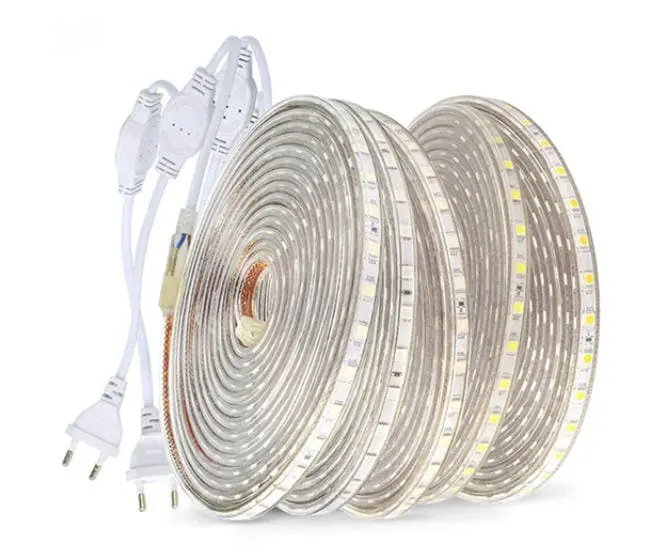
العديد من المقاولين يختلط عليهم الأمر بشأن جهد شرائط LED التي يجب تحديدها لمشروعهم القادم طاقة التيار المتردد 110 فولت–240 فولت من المصدر الرئيسي 1. الاختيار الخاطئ يمكن أن يعني أضواء تتذبذب، إهدار الميزانية، أو حتى مخاطر السلامة في الموقع. إنها خطأ مكلف يحدث أكثر مما تعتقد.
تعمل شرائط LED ذات الجهد العالي على مصدر طاقة التيار المتردد 110 فولت–240 فولت وتناسب التشغيل المستمر لمسافات تصل إلى 100 متر بدون محول، بينما تعمل شرائط الجهد المنخفض على تيار مستمر 12 فولت أو 24 فولت لأضاءة أكثر أمانًا ومرونة وجودة عالية في المشاريع السكنية والمعمارية والتجارية ذات التفاصيل الدقيقة.
يقوم هذا المقال بتفصيل الفروقات الحقيقية بين هذين النوعين من الجهد. سنغطي السلامة، الكفاءة، التكلفة، الاعتمادية، ونصائح عملية حتى تتمكن من اتخاذ قرار واثق لمشروعك القادم. لنبدأ.
أي خيار جهد هو الأكثر أمانًا وكفاءة لتركيبي التجاري على نطاق واسع؟
عندما يساعد فريقنا المقاولين في تحديد مواصفات شرائط LED للمطارات، سلاسل التجزئة، أو لوبيات الفنادق، يكون الحديث عن السلامة دائمًا في المقام الأول. قرار الجهد الخاطئ لا يؤثر فقط على الأداء. بل يمكن أن يخلق مخاطر حقيقية للمنفذين والمستخدمين النهائيين على حد سواء.
بالنسبة للتركيبات التجارية الكبيرة، شرائط LED ذات الجهد المنخفض (DC 24V) أكثر أمانًا بشكل كبير لأنها تزيل مخاطر الصدمات، بينما توفر شرائط الجهد العالي (AC 110V–240V) توصيل أسهل على مسافات طويلة ولكنها تتطلب كهربائيين مرخصين وبروتوكولات سلامة صارمة لإدارة المخاطر الكامنة في التيار الكهربائي على مستوى التيار الرئيسي.
فهم فجوة السلامة
السلامة ليست مجرد نقطة تسويقية. إنها مسألة تنظيمية ومسؤولية قانونية. شرائط LED ذات الجهد العالي تحمل تيار التيار المتردد عبر طولها بالكامل. إذا تصدعت غطاء السيليكون أو أصبح الاتصال غير محكم، يواجه أي شخص قريب خطر صدمة حقيقية. لهذا السبب غالبًا ما تتطلب قوانين البناء في مصر و ألمانيا فنيين مرخصين 2 لأي عمل يتضمن جهد المصدر الرئيسي.
أما الشرائط ذات الجهد المنخفض، فهي تعمل على تيار مستمر 12 فولت أو 24 فولت 3. حتى لو لمسك موصل مكشوف، فإن خطر الصدمة الضارة ضئيل. هذا يجعلها أكثر تسامحًا أثناء التركيب والصيانة. للمشاريع التي تتعلق بالمناطق العامة، مناطق الأطفال، أو البيئات الرطبة، يكون الجهد المنخفض دائمًا الخيار الأكثر أمانًا.
الكفاءة: ليست دائمًا كما تتوقع
يفترض العديد من المشترين أن شرائط الجهد العالي أكثر كفاءة لأنها تتجنب المحول. لكن هذه ليست القصة كاملة. تستخدم شرائط التيار المتردد ذات الجهد العالي مقوم داخلي 4 يولد حرارة على طول الشريط بأكمله. تقلل هذه الحرارة من الكفاءة والعمر الافتراضي، وغالبًا ما تقتصر على حوالي 10,000 ساعة.
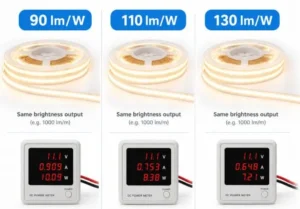
أما شرائط التيار المستمر ذات الجهد المنخفض، فهي مزودة بـ إمداد طاقة عالي الجودة 5, تحويل الطاقة بشكل أنظف. يمكن لمصادر الطاقة DC الحديثة أن تصل إلى كفاءة تزيد عن 90%+. اللوحة نفسها تعمل بشكل أبرد، مما يطيل عمرها بشكل كبير يتجاوز ما تقدمه البدائل ذات الجهد العالي. من تجربتنا في اختبار كلا النوعين في خط الإنتاج، تقيس الشرائط ذات الجهد المنخفض درجات حرارة سطح أقل باستمرار تحت ظروف إضاءة متطابقة.
مقارنة سريعة للسلامة والكفاءة
| عامل | جهد عالي (AC 110V–240V) | جهد منخفض (DC 12V/24V) |
|---|---|---|
| خطر الصدمة الكهربائية | مرتفع — التيار الكهربائي الرئيسي طوال الوقت | محدود — آمن للمس |
| التركيب | مطلوب كهربائي مرخص | ملائم للمشاريع الذاتية؛ موصلات ولصق |
| توليد الحرارة | أعلى — المقوم الداخلي يضيف حرارة | أقل — تشغيل أبرد |
| عمر افتراضي تقريبي | ~10,000 ساعة | 30,000–50,000 ساعة |
| الكفاءة | متوسط — خسائر تحويل التيار المتردد | أعلى — مصدر طاقة DC فعال |
| الامتثال | قوانين أكثر صرامة؛ المزيد من التفتيشات | أسهل في تلبية قوانين السكن والتجارة |
عندما يكون الجهد العالي لا يزال منطقيًا
سأكون صادقًا: شرائط الجهد العالي لها مكانها. إذا كنت بحاجة إلى إضاءة مخطط مبنى بطول 100 متر أو محيط خارجي ضخم، فإن تشغيل شريط جهد عالي واحد بمقبس واحد أسهل بكثير من إدارة العشرات من مزودات الطاقة. للراحة المطلقة في تطبيقات غير تلامسية على نطاق واسع مثل مخططات الواجهات أو محيطات هياكل المواقف، يمكن للجهد العالي أن يوفر وقت تركيب حقيقي. لكنك تتاجر في الجودة وهامش الأمان مقابل تلك الراحة.
النتيجة النهائية: إذا كان التركيب يتضمن أي منطقة يمكن للناس لمس الشريط فيها، أو حيث يهم التعتيم الدقيق، فإن الجهد المنخفض يفوز من حيث السلامة والكفاءة.
كيف أتجنب انخفاض الجهد وانقطاع الضوء في مشاريع شرائط LED طويلة المدى؟
انخفاض الجهد الكهربائي 6 هو الشكوى الأكثر شيوعًا التي نسمعها من المقاولين بعد التركيب. شريط يبدو مثاليًا على المتر الأول ولكنه يتلاشى إلى توهج خافت عند المتر الخامس ليس عيبًا في المنتج. إنه مشكلة تصميم، ونوع الجهد الذي تختاره يحدد كيفية حله.
لتجنب انخفاض الجهد في مشاريع شرائط LED طويلة المدى، استخدم شرائط 24 فولت DC مع توصيل على التوازي وتوزيع مزودات الطاقة بشكل استراتيجي كل 5-10 أمتار، أو اختر شرائط جهد عالي AC للمسافات التي تتجاوز 50 مترًا حيث يهم التوحيد في السطوع على طول المسافات القصوى أكثر من دقة التعتيم أو جودة اللون.
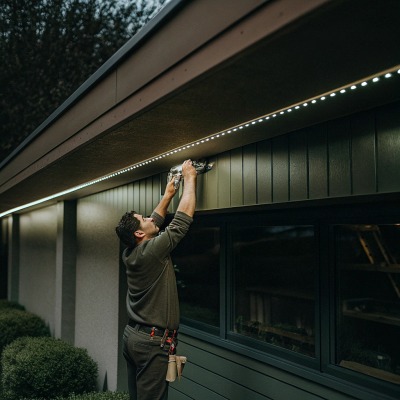
سبب حدوث انخفاض الجهد
كل شريط LED هو في الأساس لوحة دائرة طويلة ورفيعة. مع مرور التيار على طول مسارات النحاس، يواجه مقاومة. كلما زادت المسافة، زاد فقدان الجهد بسبب تلك المقاومة. تتلقى المصابيح على الطرف البعيد جهدًا أقل، لذا تتوهج بشكل أضعف. هذه هي الفيزياء الكهربائية الأساسية، ولا يوجد شريط محصن من ذلك.
تختلف شدة المشكلة حسب جهد التشغيل. يفقد شريط 12 فولت نسبة أكبر من إجمالي جهده عبر نفس المسافة مقارنة بشريط 24 فولت. بالمقابل، يفقد شريط 110 فولت أو 220 فولت جزءًا صغيرًا جدًا من جهده الإجمالي حتى على مسافات تتراوح بين 50-100 متر. هذه هي الميزة التقنية الأساسية لشرائط الجهد العالي.
أطوال التشغيل القصوى قبل ظهور انخفاض مرئي
| نوع الشريط | الحد الأقصى الموصى به للمسار الواحد | سلوك انخفاض الجهد |
|---|---|---|
| 12 فولت تيار مستمر | ~5 أمتار | تعتيم ملحوظ بعد 5 أمتار؛ كبير بعد 8 أمتار |
| 24 فولت DC | ~10 أمتار | تلاشي تدريجي بعد 10 أمتار؛ يمكن التحكم فيه مع الأسلاك الموازية 7 حتى 15-20 متر |
| AC 110V/220V | 50–100 مترًا | انخفاض بسيط على طول التشغيل الكامل؛ سطوع ثابت |
حلول عملية للمدارات ذات الجهد المنخفض والطويلة
على خط الإنتاج لدينا، نختبر كل بكرة لضمان تساوي السطوع. ولكن بمجرد خروج الشريط من المصنع، يحدد تصميم التركيب الأداء. إليك الطرق التي يوصي بها فريق الهندسة لدينا للمقاولين:
الأسلاك المتوازية. بدلاً من ربط الشرائط بشكل متسلسل من النهاية إلى النهاية، قم بتوصيل كابلات الطاقة من مصدر الطاقة الخاص بك إلى نقاط انطلاق متعددة على طول الشريط. هذا يمد جهدًا جديدًا في فترات متعددة ويقلل بشكل كبير من الانخفاض.
حقن الطاقة في منتصف المسافة. للمدارات التي تزيد عن 10 أمتار على شرائط 24 فولت، أضف تغذية طاقة ثانية في منتصف المسافة. هذا يقلل بشكل فعال من المسافة الكهربائية التي يجب أن يغطيها كل قسم من الشريط.
استخدام أسلاك ذات مقطع أسمك. الأسلاك الرقيقة تضيف مقاومة. للمدارات التي تزيد عن 5 أمتار، استخدم كابلات 18AWG أو 16AWG بين مصدر الطاقة والشريط.
اختر 24 فولت بدلاً من 12 فولت. هذه هي الترقية الأبسط. شريط 24 فولت يحمل نفس القدرة عند نصف التيار، مما يعني نصف الخسارة المقاومة. في مشاريعنا، نوصي دائمًا تقريبًا باستخدام 24 فولت لأي مسافة تزيد عن 3 أمتار.
التعامل مع عدم استمرارية الضوء عند الوصلات
عدم استمرارية الضوء — تلك البقع الداكنة أو اللحامات الظاهرة حيث يلتقي شريطان — هو نقطة ألم أخرى. شرائط الجهد العالي، التي يمكن قطعها كل متر واحد فقط، تظهر فجوات أكثر وضوحًا عند الوصلات. شرائط الجهد المنخفض، خاصة أنواع COB (الرقاقة على اللوح) 8, ، يمكن قطعها كل 25-50 ملم وتنتج خط ضوء سلس بدون نقاط. عندما نطور شرائط مخصصة لعملاء الضيافة أو التجزئة، فإن COB عند 24 فولت هو توصيتنا المفضلة للحصول على نتائج خالية من الوصلات.
إذا كنت تستخدم شرائط جهد عالي وكانت الوصلات مرئية، فالحل عادة هو تداخل غطاء السيليكون عند نقاط الاتصال أو استخدام موصل مخصص يحافظ على الاستمرارية البصرية.
أي نوع جهد كهربائي سيساعدني على تقليل تكاليف الشراء والتركيب الإجمالية؟
التكلفة دائمًا جزء من النقاش. عندما يقتبس فريق المبيعات لدينا مشاريع للموزعين في مصر، يكون السؤال الأول غالبًا عن سعر الوحدة. لكن الإجابة الحقيقية تتطلب النظر في التكلفة الإجمالية للتركيب، وليس فقط سعر الشريط لكل متر.
الشرائط ذات الفولتية العالية لها تكلفة أولية أقل لكل متر لأنها تلغي الحاجة إلى مصادر طاقة خارجية، لكن الشرائط ذات الفولتية المنخفضة غالبًا ما توفر تكلفة إجمالية أقل للملكية بفضل عمرها الافتراضي الأطول، وقلة الحاجة إلى الاستبدالات، وصيانة أبسط، وتوافق أوسع مع الملحقات وأنظمة التحكم ذات التكلفة الفعالة.
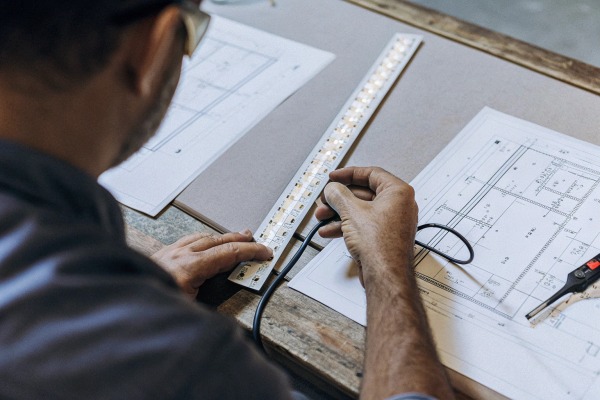
تحليل مكونات التكلفة
سعر شريط LED نفسه هو مجرد جزء من اللغز. إليك ما يشكل فعليًا تكلفة مشروعك الإجمالية:
- تكلفة الشريط لكل متر. الشرائط ذات الجهد العالي عادة أرخص لكل متر لأنها تتجنب تحويل التيار المستمر.
- تكلفة مصدر الطاقة / السائق. الشرائط ذات الجهد المنخفض تحتاج إلى مصدر طاقة تيار مستمر منفصل. يُقدر الميزانية بحوالي $5–$15 لكل مصدر اعتمادًا على القدرة الكهربائية.
- الأسلاك والإكسسوارات. الشرائط ذات الجهد المنخفض غالبًا تحتاج إلى مزيد من مسارات الأسلاك (تغذية موازية)، موصلات، وربما قنوات ألمنيوم لتبديد الحرارة.
- تكلفة العمالة. الجهد العالي يتطلب كهربائي مرخص في معظم الأسواق. الجهد المنخفض يمكن غالبًا تركيبه بواسطة مقاول عام أو حتى المستخدم النهائي الماهر.
- الصيانة والاستبدال. الشرائط ذات الجهد العالي تعمل بحرارة أعلى، تتدهور بشكل أسرع، وقد تحتاج إلى استبدال خلال 2-3 سنوات. الشرائط ذات الجهد المنخفض يمكن أن تدوم أكثر من 5 سنوات مع التركيب الصحيح.
مقارنة التكاليف الإجمالية: مشروع تجاري بطول 50 مترًا
| عنصر التكلفة | الجهد العالي (220 فولت تيار متردد) | الجهد المنخفض (24 فولت تيار مستمر) |
|---|---|---|
| تكلفة الشريط (50 متر) | $150–$250 | $250–$400 |
| مزودات الطاقة | $0 (توصيل مباشر) | $80–$150 (وحدات متعددة) |
| الأسلاك والموصلات | $20–$40 | $50–$100 |
| قنوات الألمنيوم | اختياري | $100–$200 (موصى به) |
| أجرة الكهربائي | $200–$400 (مطلوب) | $0–$100 (اختياري) |
| استبدال في السنة الثالثة | $150–$250 (من المحتمل الحاجة إليها) | $0 (لا يزال يعمل بشكل جيد) |
| التقدير الإجمالي لمدة 5 سنوات | $520–$940 | $480–$950 |
الأرقام أقرب مما يتوقعه معظم الناس. تبدو أنظمة الجهد العالي أرخص من حيث التكلفة المبدئية، لكن دورة الاستبدال وتكاليف الكهربائي الإلزامية تقرب الفجوة. للمشاريع التي تهم فيها المتانة وقلة الصيانة، غالبًا ما تفوز أنظمة الجهد المنخفض على مدى فترة 5 سنوات.
تكاليف مخفية يجب الانتباه لها
هناك تكاليف لا تظهر في ورقة العرض. أنظمة الشرائط ذات الجهد العالي لديها خيارات تخفيض سطوع محدودة ومتحكمات أقل توافقًا، لذلك إذا غير العميل رأيه بشأن إضافة التعتيم أو ضبط الألوان لاحقًا، قد تحتاج إلى إزالة واستبدال المقطع بأكمله. أنظمة الجهد المنخفض مرنة. يمكنك إضافة مخفضات، متحكمات ذكية، أو حتى الترقية إلى RGBW بدون إعادة توصيل الأسلاك.
من ناحية الشراء، توفر شرائط الجهد المنخفض أيضًا تنوعًا أكبر في رموز التخزين (SKU). نحن نخزن ونخصص خطوط ECO و PRO و COB بجهد 24 فولت. هذا المرونة تعني أن كتالوج الموزع الخاص بك يغطي أنواع مشاريع أكثر دون الحاجة إلى مخزون منفصل للجهد العالي.
عندما يفوز الجهد العالي من حيث التكلفة
سأعطي الحق لمن يستحق. إذا كان مشروعك بسيطًا، بلون واحد، على طول محيط خارجي يبلغ 80 مترًا بدون تخفيض سطوع وبدون تلامس بشري، فإن شرائط الجهد العالي توفر لك مالًا حقيقيًا على مزودات الطاقة وأسلاك التوصيل. التركيب أسرع، قائمة المواد أقصر، والتكلفة الإجمالية تنخفض بشكل ملحوظ. فقط تأكد من تخصيص ميزانية للاستبدال خلال 3 سنوات.
كيف يؤثر اختيار الجهد على الاعتمادية والسلامة على المدى الطويل لتصميم الإضاءة الخاص بي؟
الاعتمادية هي ما يميز مشروع إضاءة جيد عن كابوس استدعاء الصيانة. لقد رأينا مقاولي الكهرباء يفوزون بأعمال متكررة ببساطة لأن تركيب LED الخاص بهم لا يزال يبدو مثاليًا بعد ثلاث سنوات. ورأينا آخرين يخسرون العملاء لأن الشرائط اصفرّت، أو خفت، أو فشلت خلال شهور. يلعب اختيار الجهد دورًا أكبر في هذا النتيجة مما يدركه معظم الناس.
تقدم شرائط LED ذات الجهد المنخفض تيار مستمر موثوقية وسلامة فائقة على المدى الطويل لأنها تولد حرارة أقل، وتتدهور بشكل أبطأ، وتتكامل بسلاسة مع أنظمة التحكم الذكية وإنترنت الأشياء، وتحمل مخاطر كهربائية قليلة — مما يجعلها الخيار المفضل لأي تصميم إضاءة يهدف إلى الاستمرارية لأكثر من بضع سنوات.
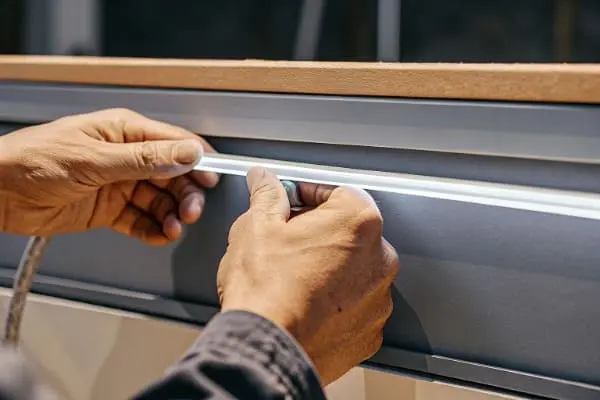
الحرارة هي عدو الديمومة
الحرارة تقتل الـLED. إنها العامل رقم واحد الذي يحدد مدى استمرار شريطك في الحفاظ على سطوعه الأصلي ودرجة حرارته اللونية. شرائط التيار المتردد ذات الجهد العالي تولد حرارة أكثر لسببين: المقوم الداخلي الذي يحول التيار المتردد إلى مستمر يعمل على طول الشريط، والغطاء السيليكون المقاوم للماء (عادةً IP67) يحبس تلك الحرارة بدلاً من تبديدها.
شرائط الجهد المنخفض تعمل على طاقة مستمرة نظيفة بدون مقوم مدمج. تعمل بشكل أبرد بتصميمها. عند تركيبها في قناة ألمنيوم، تشتت الحرارة بشكل أكثر فعالية. لهذا نوصي دائمًا باستخدام القطع الألومنيوم لأي مشروع يعمل الشريط فيه أكثر من 8 ساعات يوميًا.
ثبات اللون مع مرور الوقت
إليك شيئًا لا تخبرك به معظم أوراق المواصفات: الحرارة لا تقلص عمر الشريط فحسب، بل تغير أيضًا من درجة حرارته اللونية. قد يتحول الشريط المصنف عند 3000K الأبيض الدافئ إلى 3200K أو 3400K مع تدهور طبقة الفوسفور تحت حرارة مستمرة. في لوبي فندق أو عرض تجاري حيث يهم ثبات اللون، هذا غير مقبول.
في خط إنتاجنا، نقوم بتصنيف الـLEDs وفقًا لبيضاويّة ماك آدم ذات الثلاث خطوات لضمان ثبات اللون. لكن تلك الدقة التصنيعية لا تدوم إلا إذا كان الشريط يعمل ضمن نطاقه الحراري المصمم له. شرائط الجهد المنخفض، خاصة عند 24V في قنوات الألمنيوم، تبقى ضمن ذلك النطاق لفترة أطول بكثير من البدائل ذات الجهد العالي.
الدمج الذكي والاستعداد للمستقبل
صناعة الإضاءة تتجه نحو أنظمة ذكية ومتصلة. زيجبى، Z-Wave، واي فاي، DALI 10 — جميع هذه البروتوكولات تعمل بشكل أصلي مع أنظمة التيار المستمر ذات الجهد المنخفض. شرائط الجهد العالي لديها توافق محدود جدًا مع وحدات التحكم الذكية الحديثة. معظمها لا يمكنه التعتيم بسلاسة أقل من 30%، وكثير منها يصدر وميضًا مرئيًا عند اقترانه مع مفاتيح التعتيم القياسية.
إذا أراد عميلك إضافة حساسات حركة، جمع ضوء النهار، أو تحكم بالمشاهد عبر التطبيق في المستقبل، فإن الجهد المنخفض هو الأساس الواقعي الوحيد. لقد رأينا اتجاهًا واضحًا بين موزعينا في مصر: إنهم يخزنون المزيد من شرائط الأبيض القابل للتعديل والتعتيم إلى الدافئ 24V تحديدًا لأن المستخدمين النهائيين يطالبون بالتكامل مع المنازل الذكية والمباني الذكية.
الاعتمادية في البيئات الرطبة والخارجية
كلا نوعي الجهد يوفر خيارات مقاومة للماء. شرائط الجهد العالي تُباع تقريبًا دائمًا مع غطاء سيليكون IP67، الذي يوفر مقاومة جيدة للماء. شرائط الجهد المنخفض تأتي بمجموعة أوسع — IP20 للاستخدام الداخلي الجاف، IP65 لمناطق الرش، IP67 للغمر، و IP68 للتطبيقات الدائمة تحت الماء.
الفرق الرئيسي هو الصيانة. إذا فشل شريط عالي الجهد IP67، فإنك ستقوم باستبدال المقطع بأكمله واستدعاء كهربائي. إذا فشل شريط منخفض الجهد IP67، يمكن لفني عام أن يبدل القسم بأمان ويعيد توصيله خلال دقائق. على مدى دورة حياة المبنى التي تمتد لعشر سنوات، فإن ميزة الصيانة هذه تتراكم بشكل كبير.
ملخص الاعتمادية على المدى الطويل
| عامل الاعتمادية | عالي الجهد (تيار متردد) | الجهد المنخفض (24 فولت تيار مستمر) |
|---|---|---|
| إدارة الحرارة | ضعيف — المقوم يضيف حرارة، الغلاف يحجزها | جيد — بدون مقوم، قناة الألمنيوم جاهزة |
| ثبات اللون مع مرور الوقت | يتغير بسرعة بسبب الحرارة | يحافظ على المواصفات لفترة أطول |
| توافق التحكم الذكي | محدود جدًا | توافق كامل (DALI، Zigbee، Wi-Fi، وغيرها) |
| جودة التعتيم | عرضة للوميض تحت 30% | سلس، خالي من الوميض حتى 0.1% |
| سهولة الصيانة | يتطلب كهربائي | استبدال سريع من قبل الموظفين العاديين |
| خيارات مقاومة للماء | المعيار IP67 | IP20 إلى IP68، تكوينات متعددة |
| دورة الاستبدال النموذجية | سنتان إلى ثلاث سنوات | خمس إلى سبع سنوات |
رأيي الصادق
لقد كنت في هذه الصناعة لفترة كافية لأعرف أن شرائط الجهد العالي موجودة لأنها تحل مشكلة حقيقية: مسارات طويلة مع أسلاك قليلة. هذه ميزة حقيقية. ولكن عندما يسألني العملاء عما سأركبه في منزلي أو عملي، يكون الجواب دائمًا منخفض الجهد. إنه أكثر أمانًا، وأكثر استقرارًا، وأكثر تنوعًا، ويبدو أفضل لفترة أطول. الجهد العالي يتعلق بالراحة. الجهد المنخفض يتعلق بالجودة. بالنسبة لمعظم المشاريع، خاصة الداخلية أو التطبيقات الدقيقة، يجب أن تأتي الجودة في المقام الأول.
الاستنتاج
اختيار بين شرائط LED ذات الجهد العالي والمنخفض يعتمد على أولويات مشروعك. بالنسبة لمعظم التطبيقات، يوفر الجهد المنخفض أمانًا أفضل، وجودة، وقيمة طويلة الأمد.
هوامش
- يشرح المعايير العالمية للطاقة الكهربائية الرئيسية ومستويات الجهد. ↩︎
- يوضح متطلبات وأهمية الكهربائيين المرخصين للعمل الكهربائي. ↩︎
- يوفر سياقًا حول أنظمة التيار المستمر ذات الجهد المنخفض وتطبيقاتها. ↩︎
- يشرح وظيفة المقومات في تحويل التيار المتردد إلى تيار مستمر لتشغيل LED. ↩︎
- يسلط الضوء على أهمية اختيار مصدر طاقة مناسب الحجم وفعال للـ LED. ↩︎
- يعرف ويشرح ظاهرة انخفاض الجهد في الدوائر الكهربائية. ↩︎
- يشرح كيف يمنع التوصيل على التوازي انخفاض الجهد ويضمن سطوعًا ثابتًا في شرائط LED. ↩︎
- يوضح تكنولوجيا ومزايا LED من نوع Chip-on-Board (COB). ↩︎
- يعرف ويشرح إجمالي تكلفة الملكية (TCO) كتقدير مالي شامل. ↩︎
- يقدم بروتوكولات مختلفة لنظم التحكم في الإضاءة الذكية وتطبيقاتها. ↩︎

 English
 Spanish
 German
 Russian
 Arabic
 French
 Portuguese